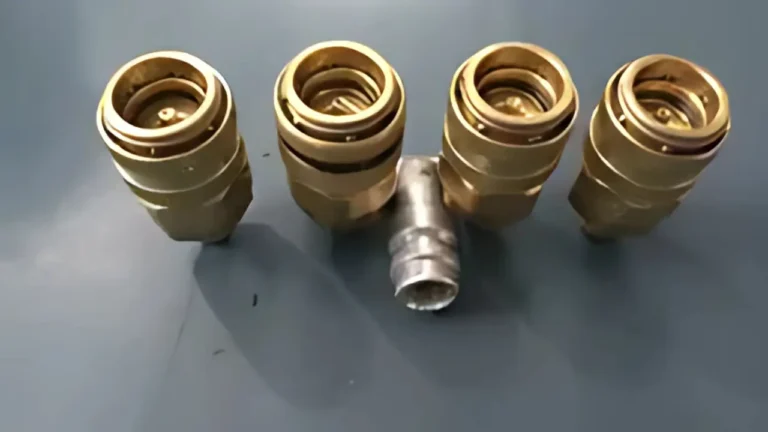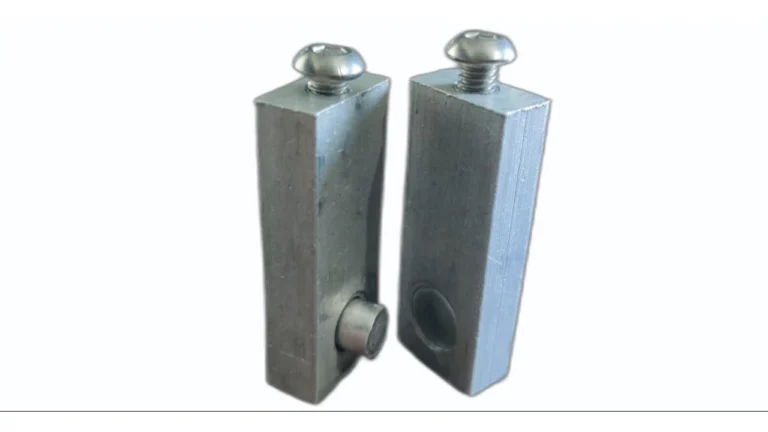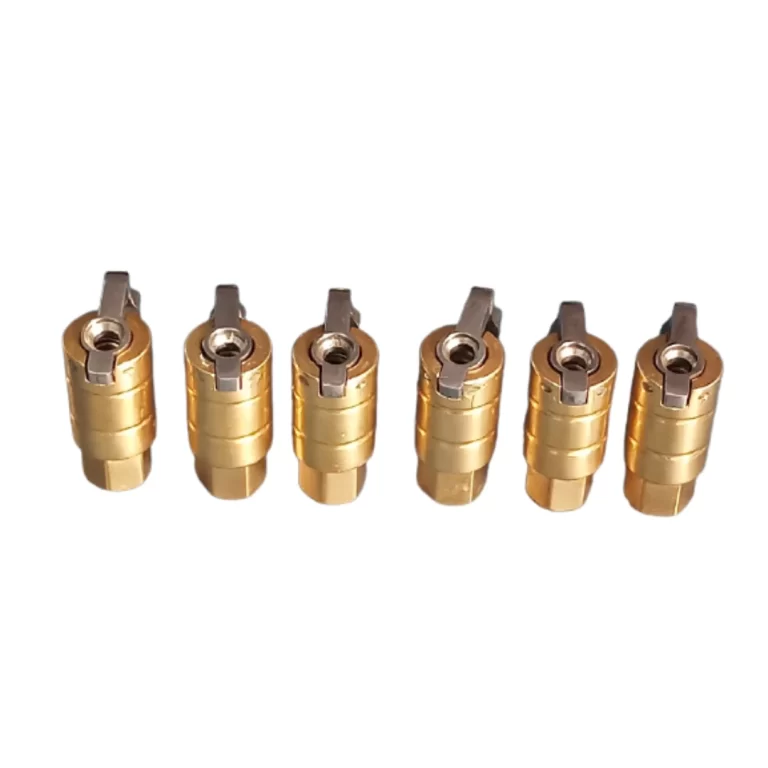
Hydraulic systems play a crucial role in powering heavy machinery across industries such as construction, agriculture, mining, manufacturing, and material handling. To ensure smooth operation and reduce downtime, hydraulic connections must be secure, leak-proof, and easy to connect or disconnect. This is where hydraulic quick couplers become essential.
Hydraulic quick couplers allow operators to connect and disconnect hydraulic lines without using special tools, making maintenance faster and improving workplace safety. Whether you’re replacing attachments on construction equipment or servicing industrial machinery, selecting the right coupling can significantly improve system performance.
In this guide, Icon-Engineers explains which are the different types of hydraulic quick couplers, their working principles, advantages, applications, and how to choose the right coupling for your hydraulic system.
What is a Hydraulic Quick Coupler?
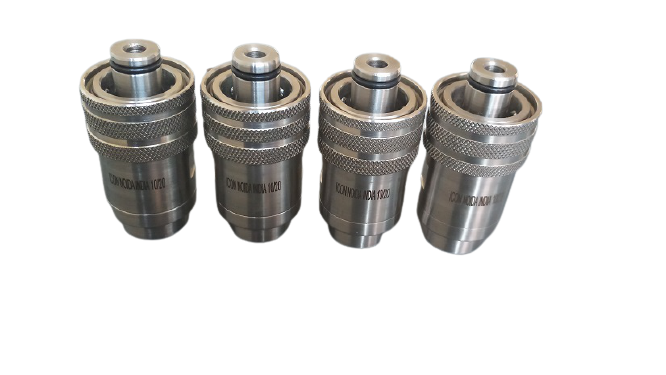
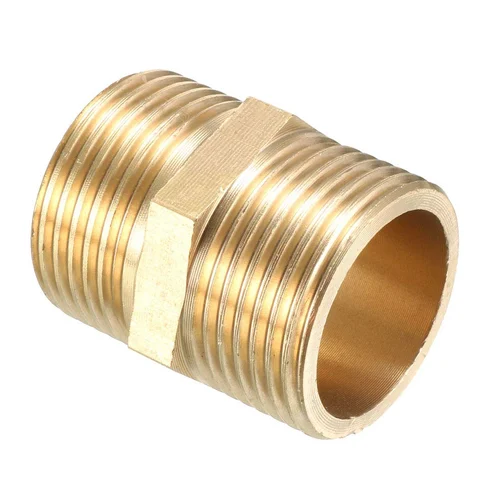
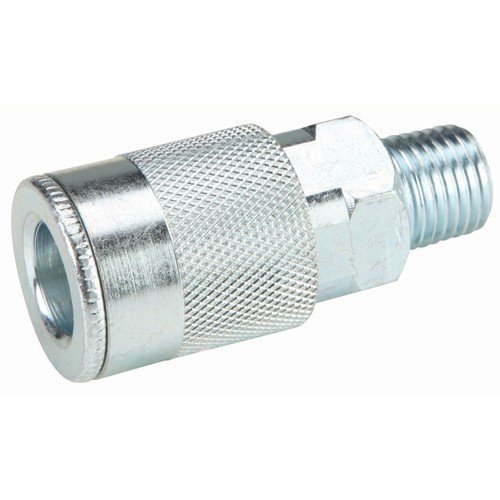
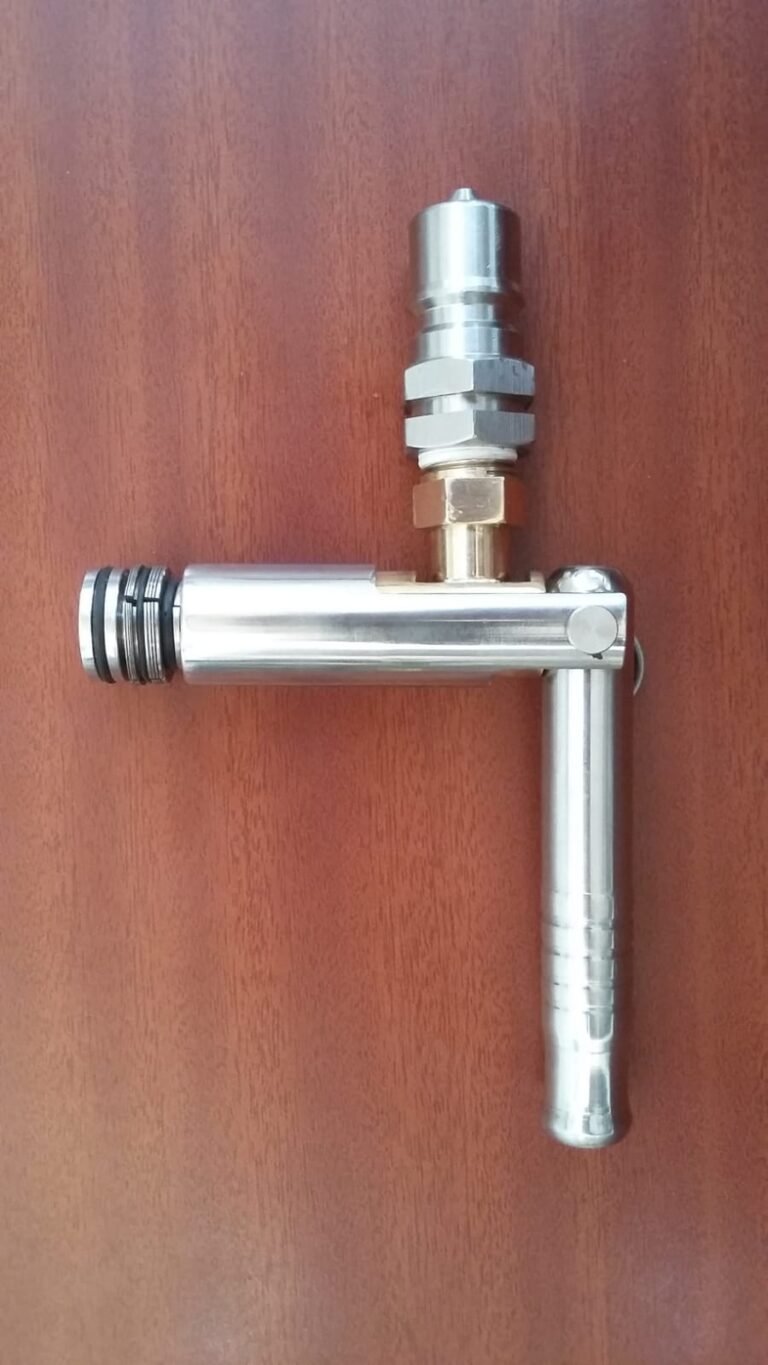
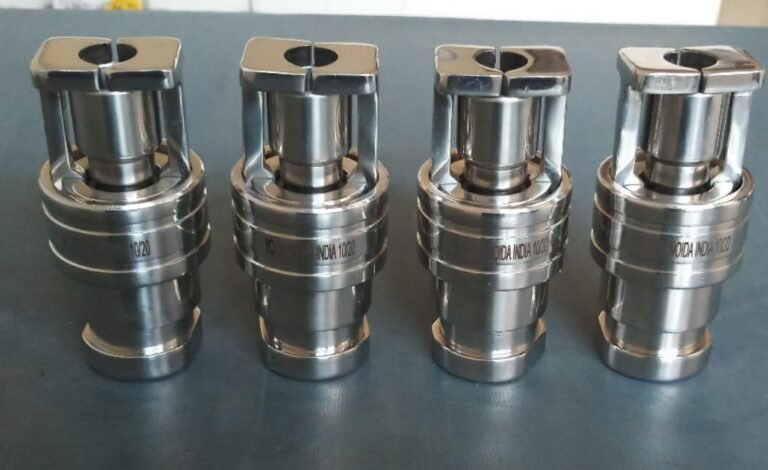
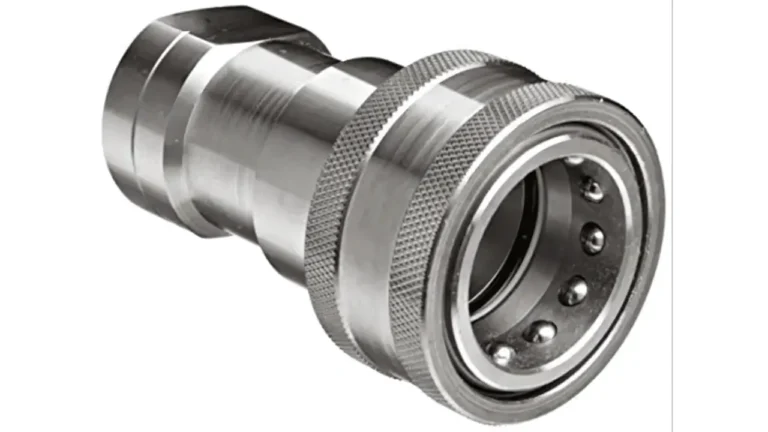
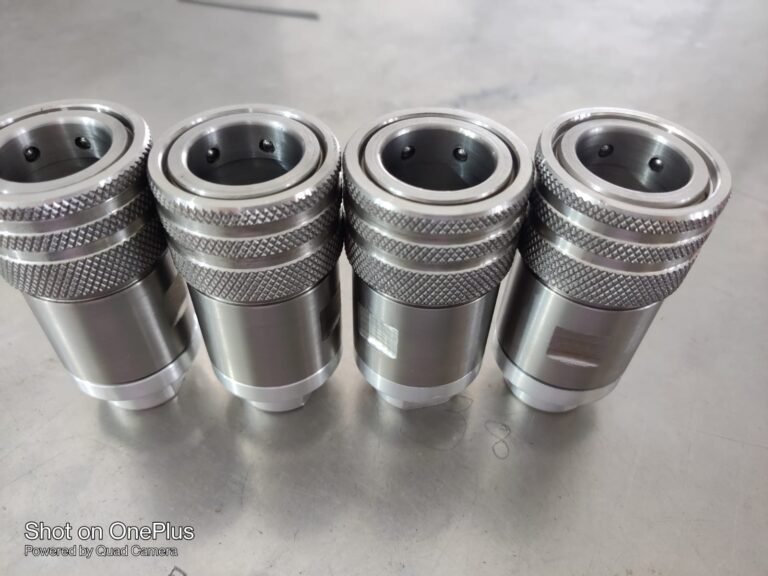
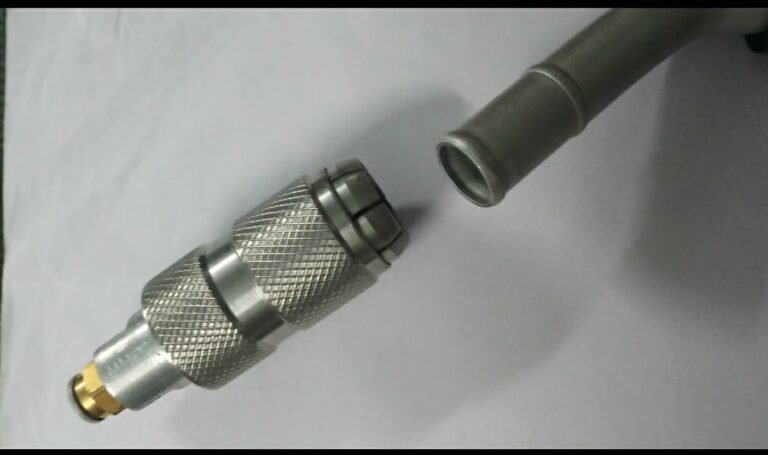
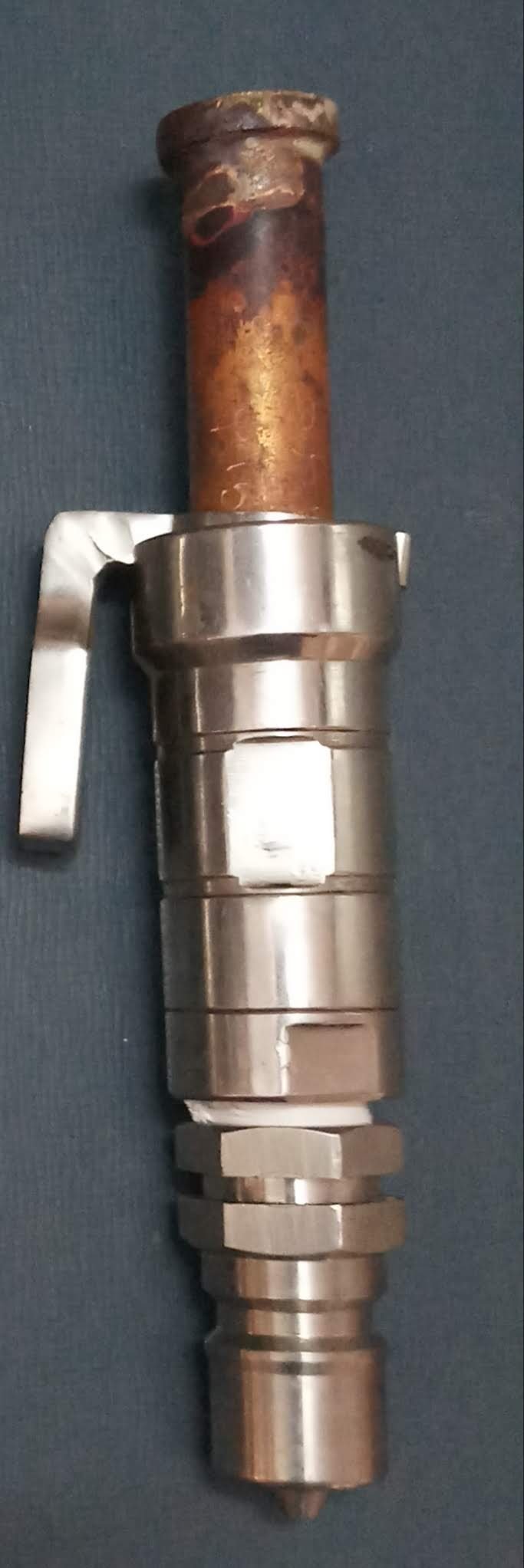
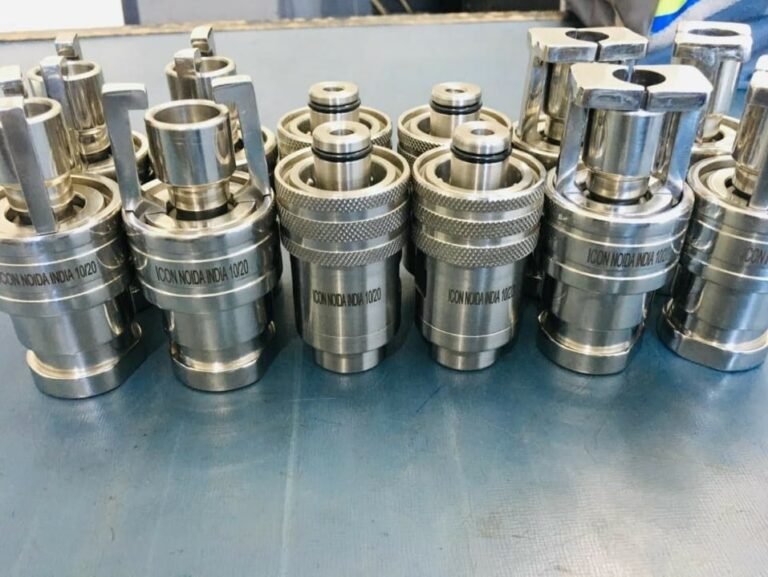
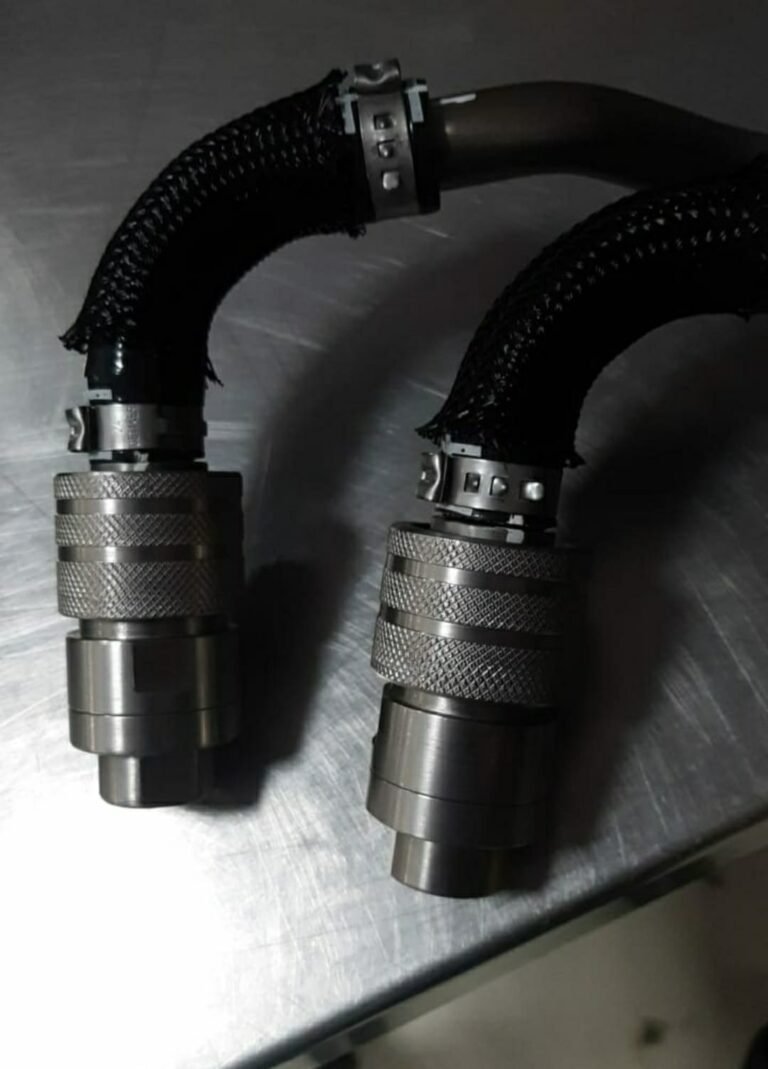
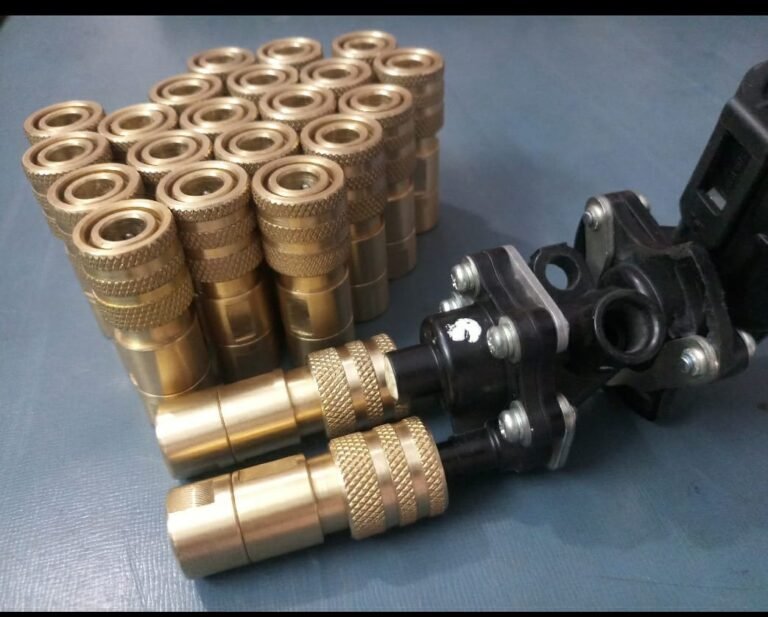
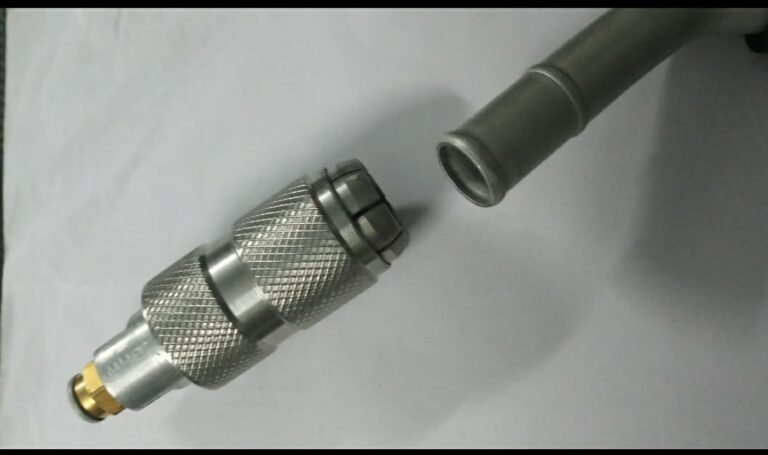
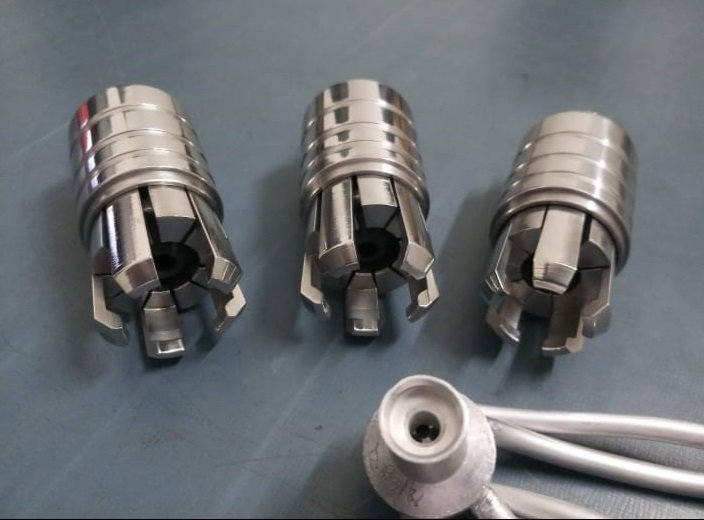
A hydraulic quick coupler is a mechanical connector designed to join hydraulic hoses or pipes quickly while preventing hydraulic fluid leakage. It consists of two parts—a male plug and a female socket—that lock together securely to create a reliable hydraulic connection.
Modern hydraulic quick connect fittings are engineered to withstand high pressure, vibration, and demanding industrial environments. They simplify equipment maintenance, reduce machine downtime, and improve operational efficiency by allowing fast hose replacement without extensive disassembly.
How Does a Hydraulic Quick Connect Work?
A hydraulic quick connect works through an internal locking mechanism. When the male connector is inserted into the female coupler, locking balls or pins engage automatically, creating a secure connection. Internal valves open simultaneously to allow hydraulic fluid to flow through the system.
When disconnected, these valves close instantly, preventing oil leakage, contamination, and pressure loss. This design makes hydraulic quick couplers an ideal solution for applications requiring frequent connection and disconnection.
Also Read: Pressure Decay Leak Testing: Working Principle, Advantages & Applications
Hydraulic Quick Coupler Types
There are several hydraulic quick coupler types, each designed for specific pressure ratings, flow requirements, and industrial applications.
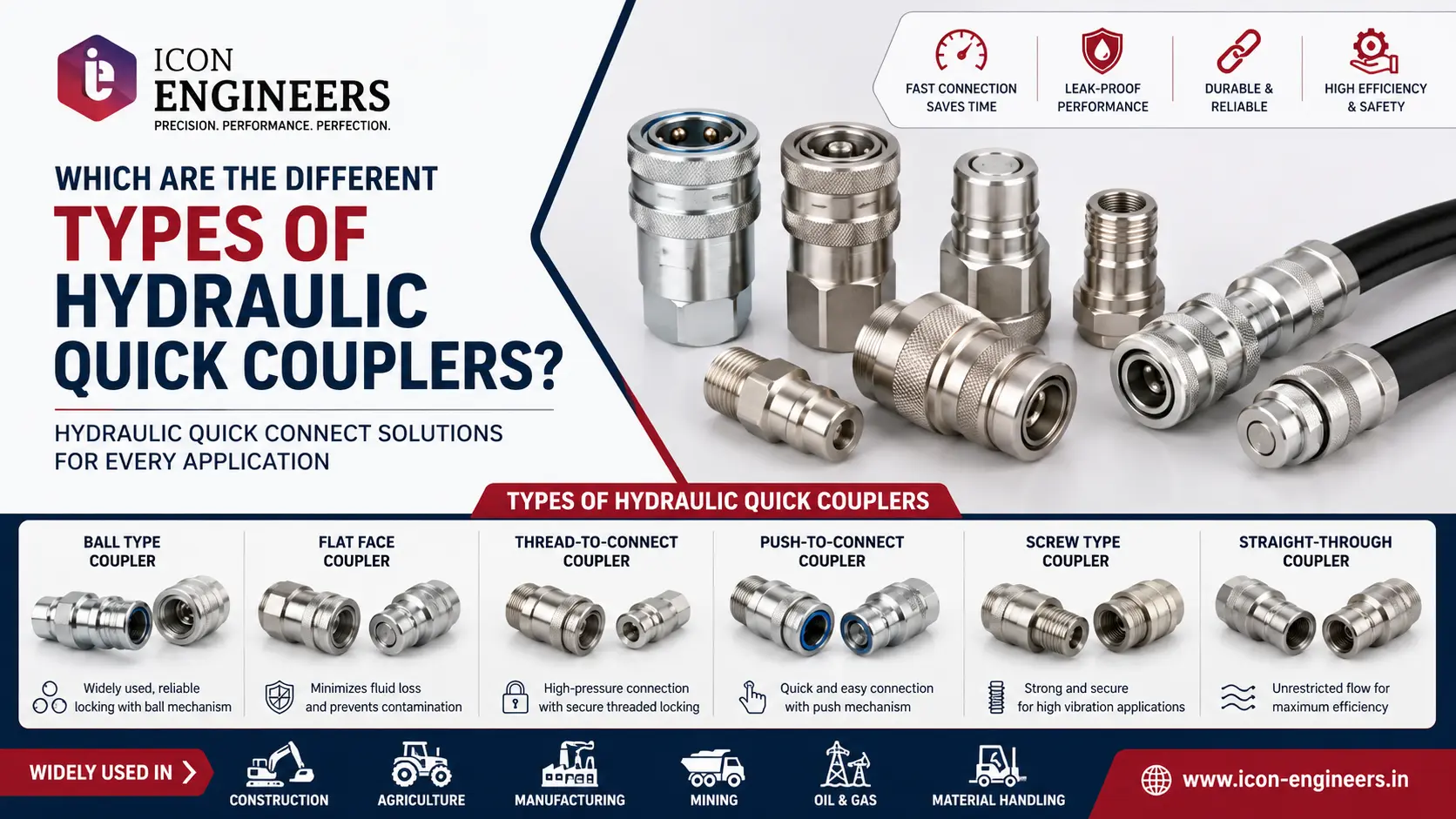
1. Ball Type Hydraulic Quick Coupler
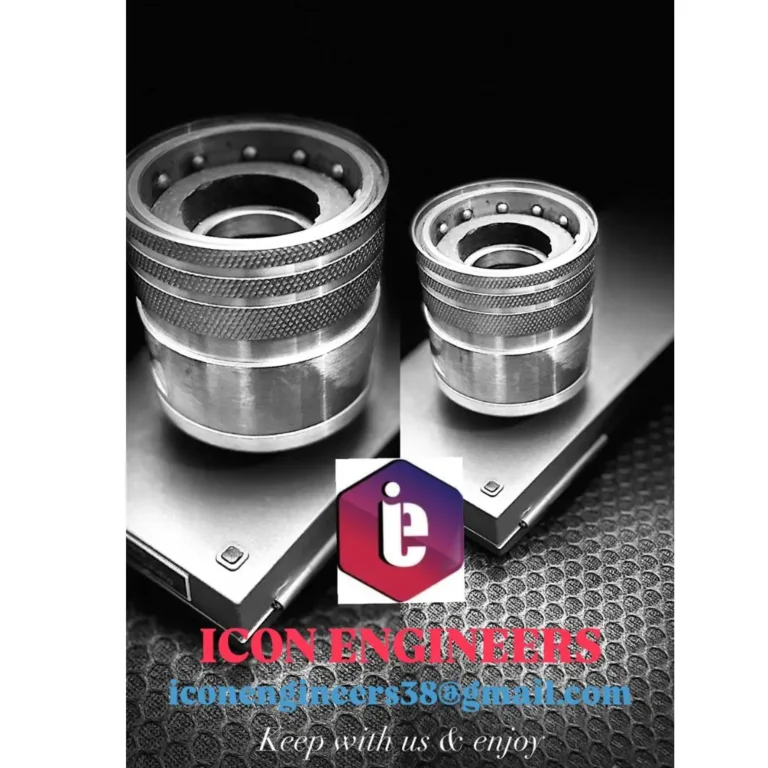
Ball-type couplers use stainless steel locking balls to secure the connection. They are among the most commonly used couplers because they offer reliable sealing, simple operation, and excellent durability.
Applications:
- Hydraulic power packs
- Construction machinery
- Industrial automation
- Agricultural equipment
2. Flat Face Hydraulic Quick Coupler
Flat face couplers are specially designed to minimize hydraulic fluid loss during connection and disconnection. Their smooth mating surface also prevents dirt and dust from entering the hydraulic circuit, making them ideal for clean environments.
Applications:
- Excavators
- Mining equipment
- Forestry machines
- Food processing equipment
3. Thread-to-Connect Hydraulic Coupler
These couplers require threaded engagement before hydraulic flow begins. They are preferred for high-pressure hydraulic systems because they provide exceptional connection strength and vibration resistance.
Applications:
- Oil & gas industry
- Heavy construction equipment
- Hydraulic testing systems
- Offshore applications
4. Push-to-Connect Hydraulic Coupler
Push-to-connect couplers allow quick connection using a simple push mechanism without rotating or threading the connector. They improve productivity by reducing connection time and simplifying equipment operation.
Applications:
- Factory automation
- Material handling systems
- Hydraulic tools
- Assembly lines
5. Screw-Type Hydraulic Coupler
Screw-type couplers are designed for demanding applications involving continuous vibration and high working pressure. They offer excellent sealing performance and are commonly used where accidental disconnection must be prevented.
Applications:
- Mining
- Construction
- Marine equipment
- Heavy industrial machinery
Hydraulic Quick Coupling Types Based on Valve Design
Different hydraulic quick coupling types are also classified according to their internal valve configuration.
Single Shut-Off Couplers
Only one side contains a shut-off valve, allowing fluid flow when connected. These are generally used where minor oil loss is acceptable.
Double Shut-Off Couplers
Both the male and female connectors contain shut-off valves. This design minimizes oil leakage and prevents contamination during disconnection.
Straight-Through Couplers
These couplers do not contain internal valves and provide unrestricted hydraulic flow. They are ideal for applications requiring maximum flow capacity.
Benefits of Hydraulic Quick Connect Fittings
Using high-quality hydraulic quick connect fittings offers several important operational advantages.
Faster Equipment Maintenance
Hydraulic hoses can be replaced within seconds, reducing downtime and increasing productivity.
Leak-Free Connections
Precision sealing minimizes hydraulic oil leakage and protects the working environment.
Improved Operator Safety
Quick connections eliminate unnecessary exposure to high-pressure hydraulic fluid.
Reduced Contamination
Advanced sealing systems prevent dirt, dust, and moisture from entering the hydraulic circuit.
High Pressure Capability
Modern couplers operate efficiently under demanding pressure conditions.
Long Service Life
Premium materials and precision engineering provide reliable performance even in harsh industrial environments.
Applications of Hydraulic Quick Couplers
Hydraulic quick couplers are widely used across numerous industries.
Construction Industry
- Excavators
- Backhoe loaders
- Bulldozers
- Hydraulic breakers
Agriculture
- Tractors
- Harvesters
- Seed drills
- Irrigation equipment
Manufacturing
- Hydraulic presses
- CNC machines
- Industrial automation systems
- Material handling equipment
Mining Industry
- Drilling equipment
- Loaders
- Hydraulic excavators
Marine Industry
- Hydraulic cranes
- Deck machinery
- Offshore equipment
Oil & Gas Industry
- Hydraulic control systems
- Pressure testing equipment
- Pipeline maintenance systems
How to Choose the Right Hydraulic Quick Coupler
Selecting the correct hydraulic coupler depends on several technical factors.
Consider the following before purchasing:
- Maximum operating pressure
- Flow rate requirements
- Hydraulic fluid compatibility
- Thread size
- Connection type
- Working temperature
- Seal material
- Corrosion resistance
- Frequency of connection and disconnection
- Industrial application
Working with an experienced manufacturer ensures you receive the most suitable coupling for your hydraulic system.
Why Choose Icon-Engineers?
Icon-Engineers is a trusted manufacturer and supplier of premium-quality hydraulic couplers, quick release couplers, and industrial leak testing solutions. Our products are manufactured using high-grade materials and advanced machining processes to deliver superior durability, leak-proof performance, and reliable operation.
We offer a comprehensive range of hydraulic quick connect fittings suitable for industrial machinery, hydraulic power packs, construction equipment, agricultural machines, and automation systems. Every product undergoes strict quality testing to ensure long service life and dependable performance under demanding operating conditions.
Whether you require standard hydraulic couplers or customized solutions, our experienced team provides expert guidance, precision manufacturing, and dependable after-sales support to meet your industrial requirements.
Maintenance Tips for Hydraulic Quick Couplers
Proper maintenance helps maximize the life and performance of hydraulic couplers.
- Clean couplers before every connection.
- Use protective dust caps when not in use.
- Inspect seals regularly for wear or damage.
- Replace damaged O-rings immediately.
- Avoid exceeding the recommended pressure rating.
- Lubricate moving parts according to the manufacturer’s guidelines.
- Check for hydraulic oil leaks during routine maintenance.
- Store couplers in a clean and dry environment.
Regular inspection and preventive maintenance reduce downtime and improve the reliability of hydraulic systems.
Conclusion
Understanding which are the different types of hydraulic quick couplers is essential for selecting the right solution for your hydraulic application. Different hydraulic quick coupler types and hydraulic quick coupling types are designed to meet varying pressure levels, flow capacities, and operating conditions. From flat face couplers for contamination-sensitive environments to threaded couplers for high-pressure systems, choosing the right hydraulic quick connect solution enhances safety, efficiency, and equipment performance.
At Icon-Engineers, we provide high-quality hydraulic quick connect fittings that combine precision engineering, durability, and dependable sealing performance. Our customized hydraulic coupling solutions help industries improve productivity, reduce maintenance time, and ensure reliable hydraulic system operation for years to come.