Modern manufacturing depends on the right combination of machinery, automation systems, tools, and equipment to produce consistent results. From material handling to component testing and assembly, industrial equipment helps manufacturers improve production speed, accuracy, safety, and product quality.
The topic Industrial Equipment: Types, Applications and Importance in Manufacturing covers a wide range of machines used across automotive, engineering, metalworking, electronics, and other industrial sectors. Choosing suitable equipment can also help businesses reduce manual work, control production costs, and maintain reliable manufacturing processes.
What Is Industrial Equipment?
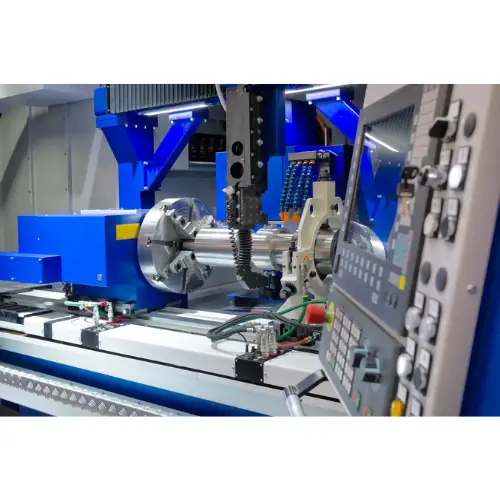
Industrial equipment refers to machines, systems, tools, and supporting devices used to perform specific operations in a manufacturing or industrial environment. Depending on the production process, equipment can be used for machining, testing, assembly, material handling, heating, hardening, brazing, and automation.
Unlike general-purpose tools, industrial equipment is designed to handle continuous or demanding operations while maintaining required performance and accuracy. Many modern machines also combine mechanical, electrical, hydraulic, pneumatic, and computerized technologies.
Also Read: Camlock Coupling Types A to F – Complete Guide
Types of Industrial Equipment
Different manufacturing processes require different types of equipment. Some commonly used categories include:
1. Material Handling Equipment
Material handling equipment is used to move, store, load, unload, and position materials or components within a manufacturing facility.
Common examples include:
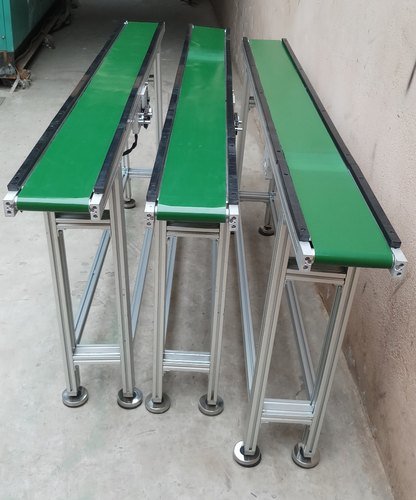
- Belt conveyors
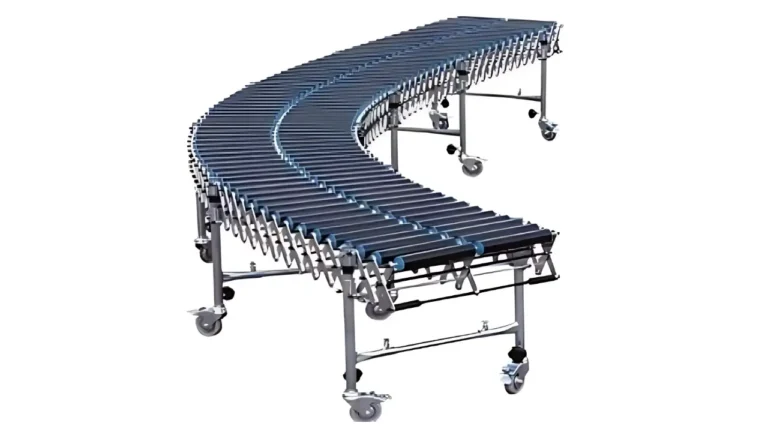
- Roller conveyors
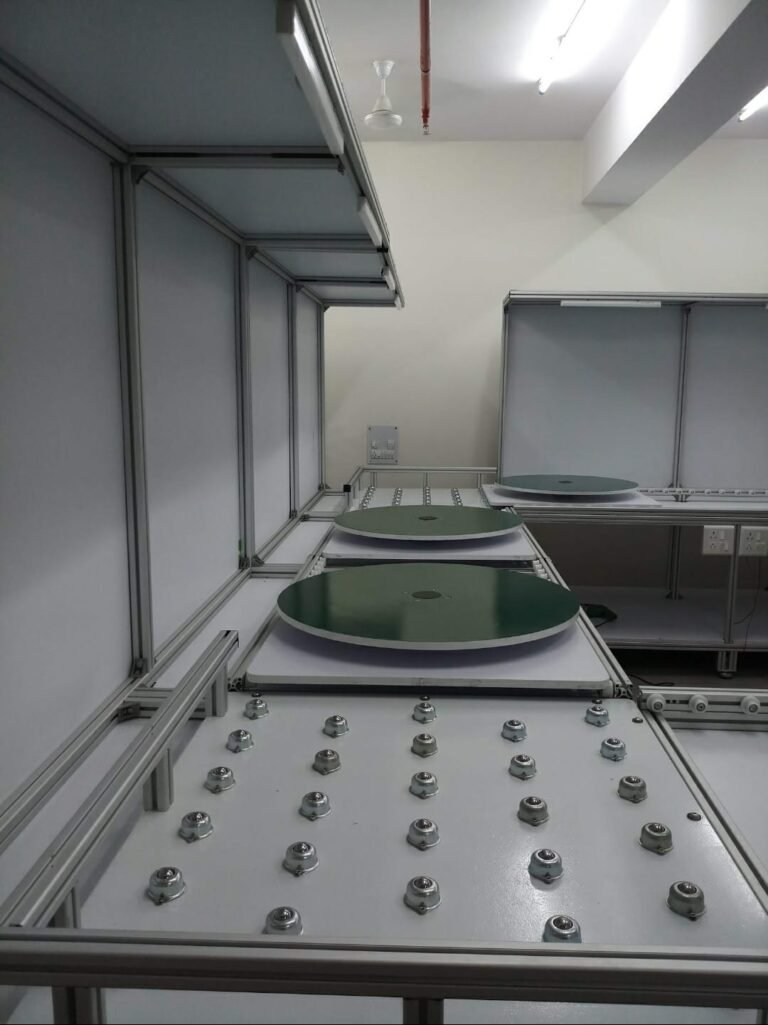
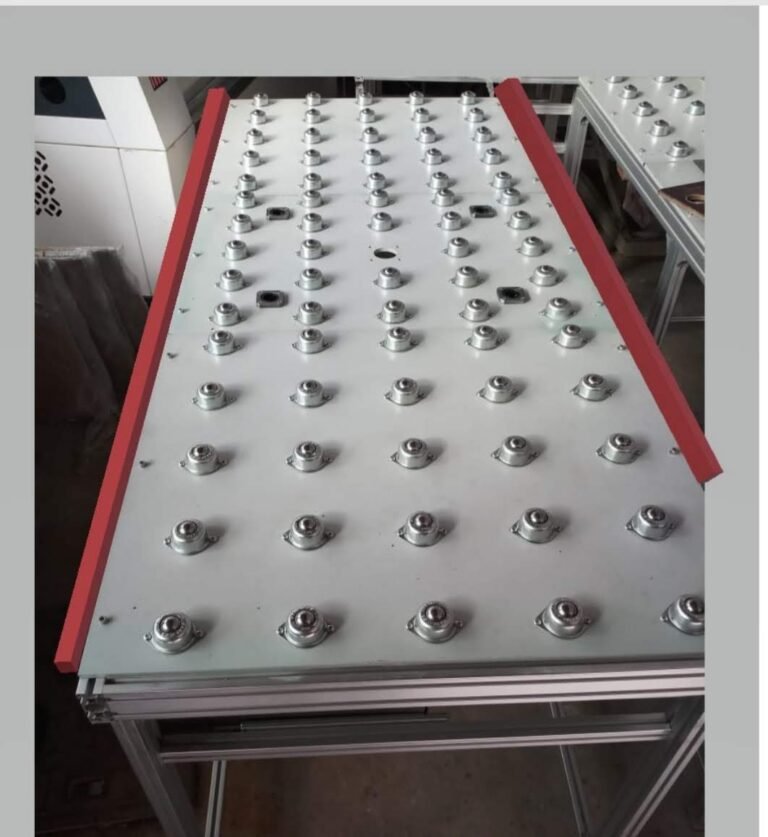
- Ball conveyors
- Lifting equipment
- Material handling carts
- Industrial transfer systems
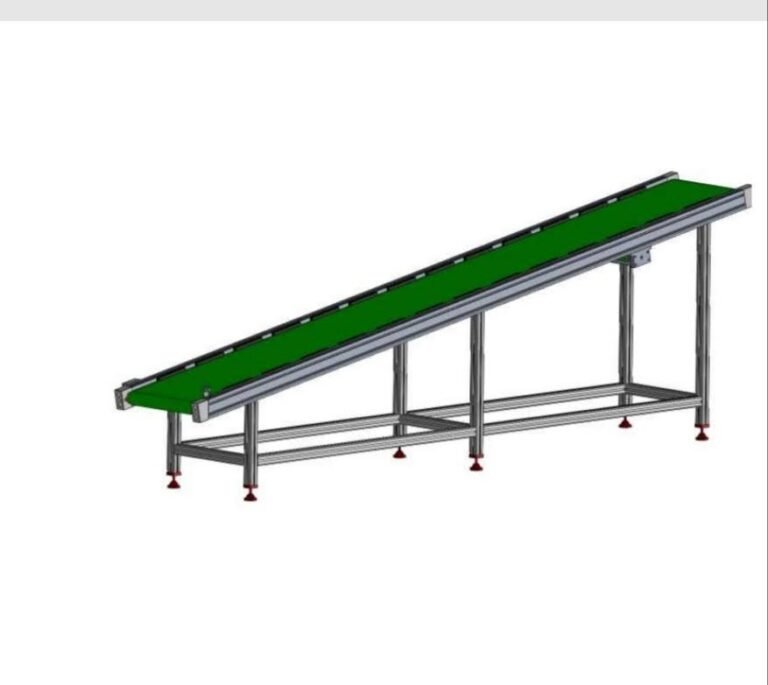
Conveyors are particularly useful in production lines because they allow components to move between different workstations with less manual handling.
2. Leak Testing Equipment
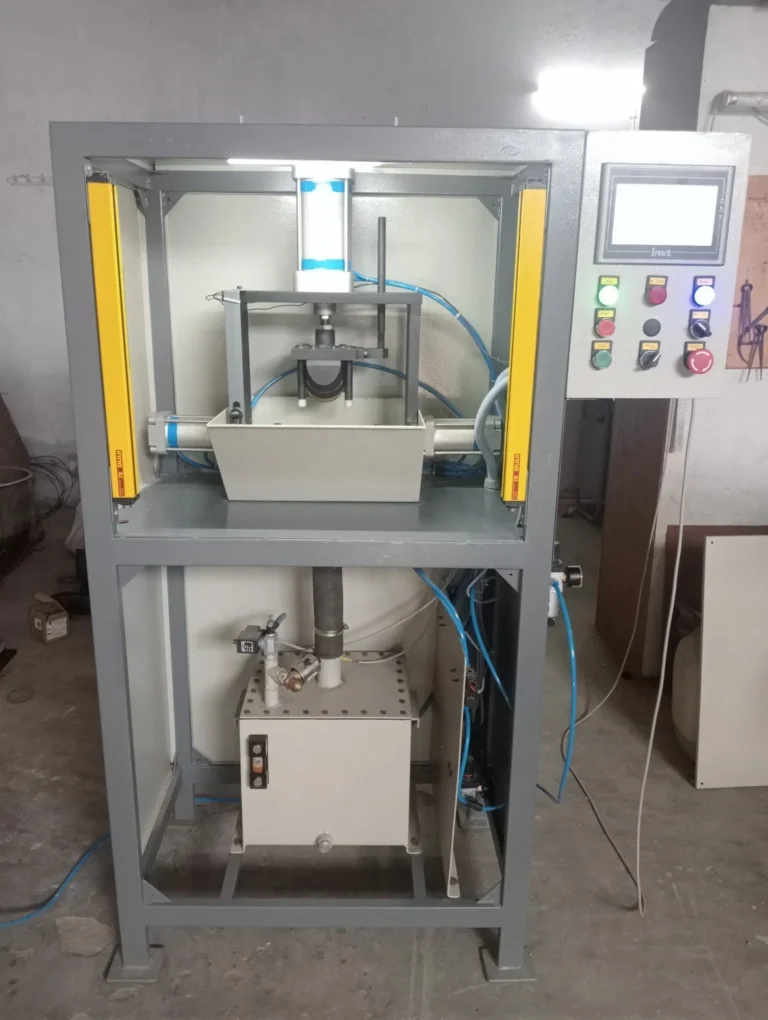
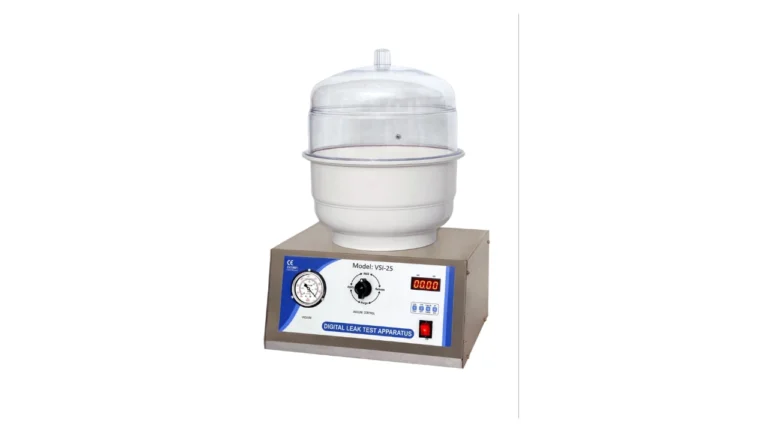
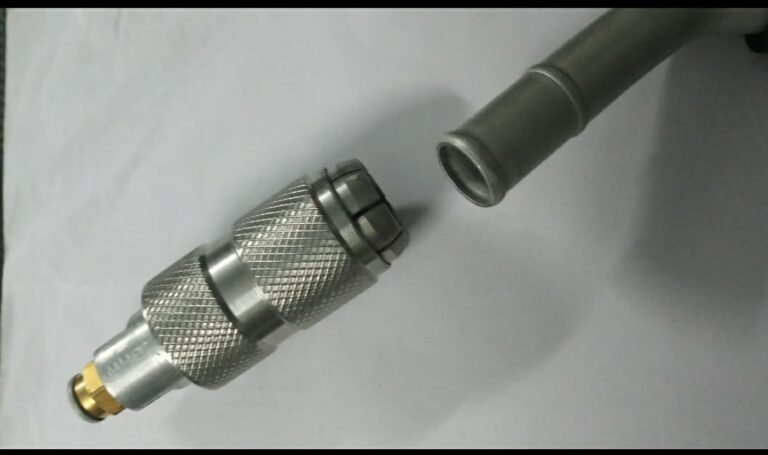
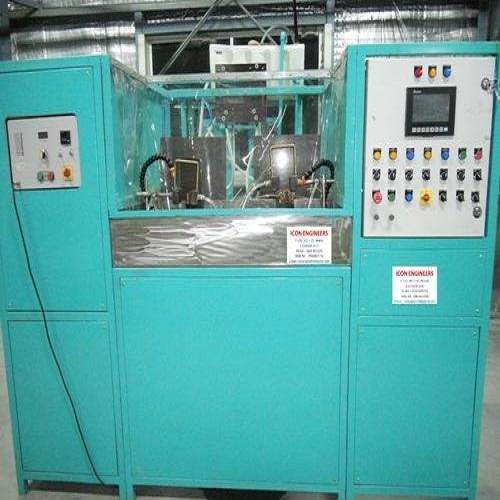
Leak testing equipment is used to identify unwanted leakage in components, assemblies, containers, pipes, valves, and other products.
A leak testing machine can use methods such as pressure decay, vacuum testing, or differential pressure measurement to determine whether a component meets the required leakage limit.
These machines are important in industries where even a small leak can affect product performance, reliability, or safety. Automotive components, valves, fuel systems, cooling systems, and various sealed assemblies may require leak testing before reaching the customer.
3. Induction Heating and Hardening Equipment
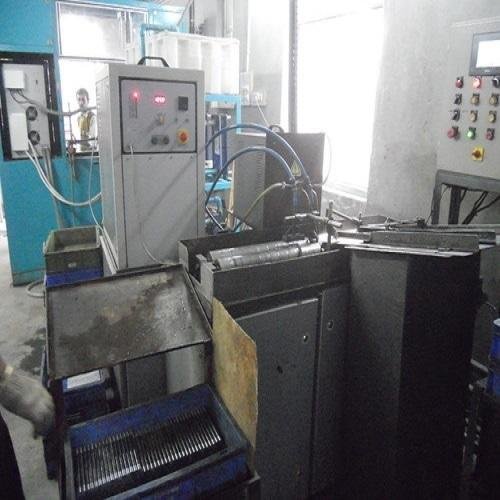
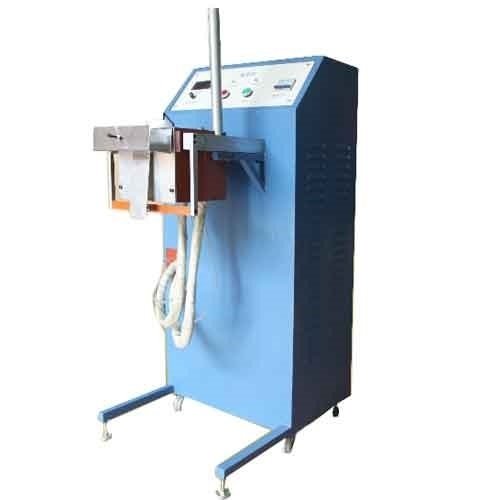
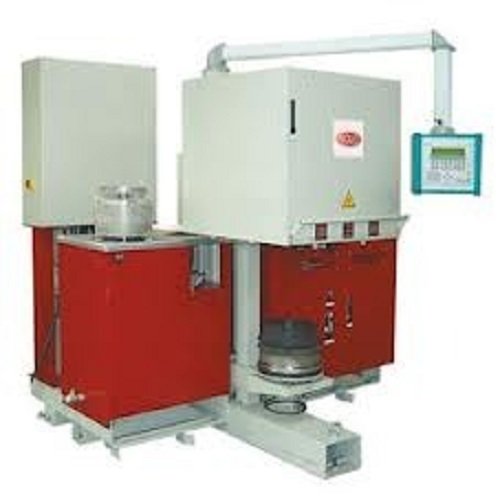
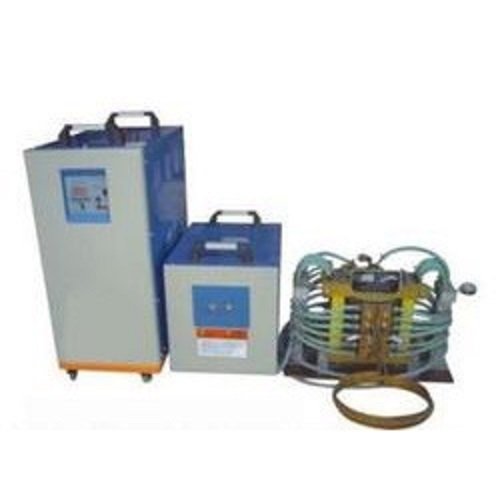
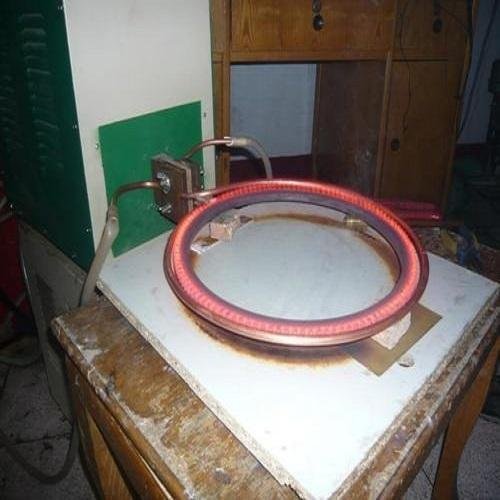
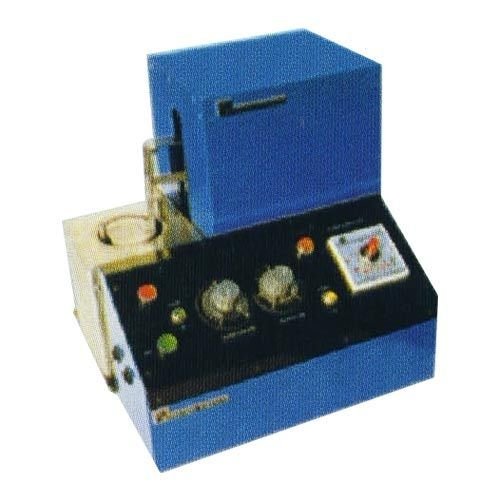
Induction heating equipment uses electromagnetic energy to heat electrically conductive materials. It can be used for applications such as heating, brazing, annealing, and hardening.
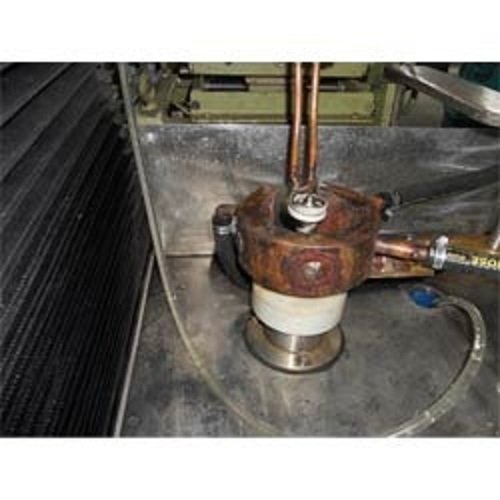
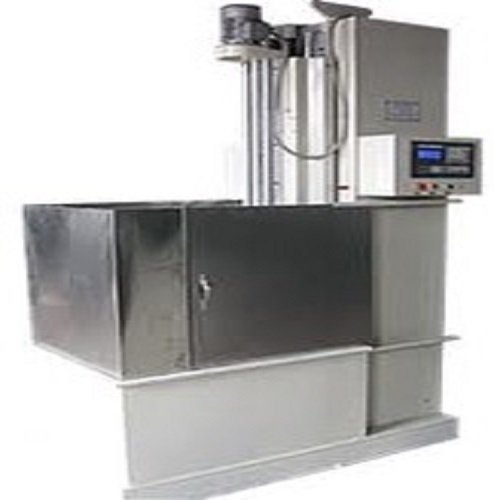
An induction hardening machine is commonly used to improve the surface hardness and wear resistance of selected metal components. Depending on the component design, induction hardening can be applied to shafts, gears, pins, bearings, and other engineered parts.
The process can provide controlled heating while limiting unnecessary heat exposure to other areas of the component.
4. Assembly Equipment
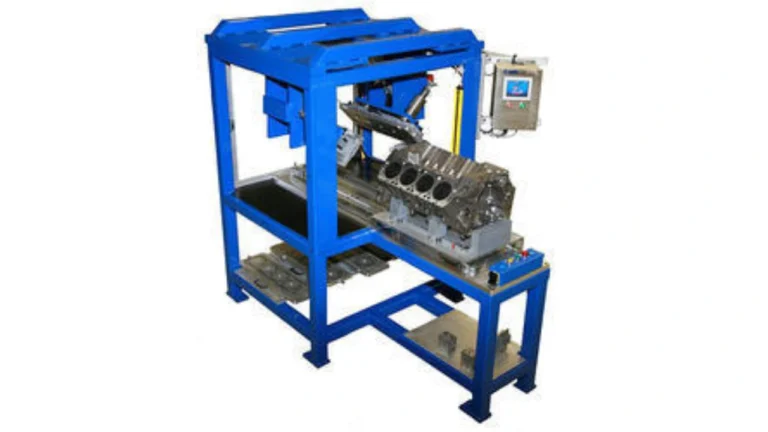
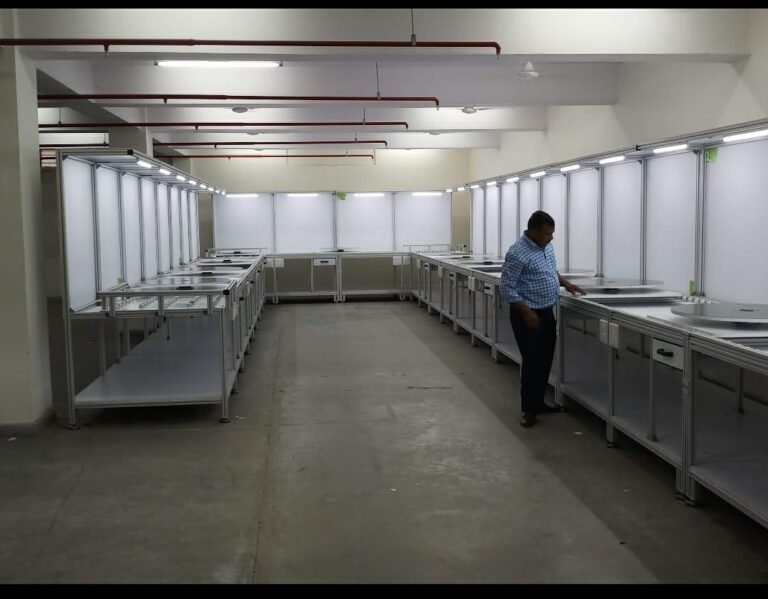
Assembly equipment helps manufacturers join or assemble individual components into a finished product or sub-assembly.
Examples include:
- Assembly machines
- Pressing systems
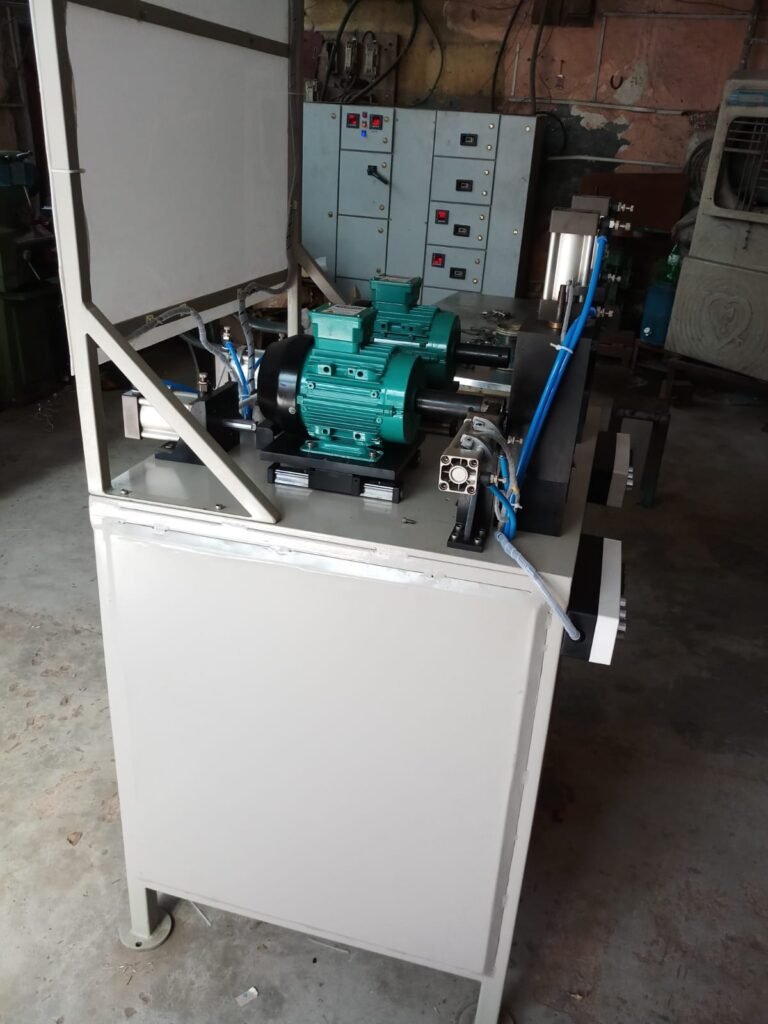
- Special purpose machines
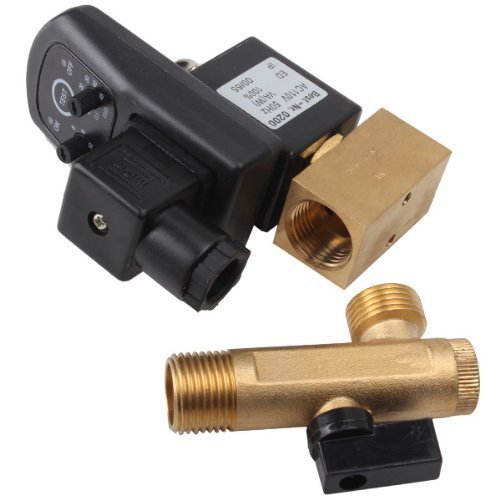
- Pneumatic fixtures
- Electro-pneumatic fixtures
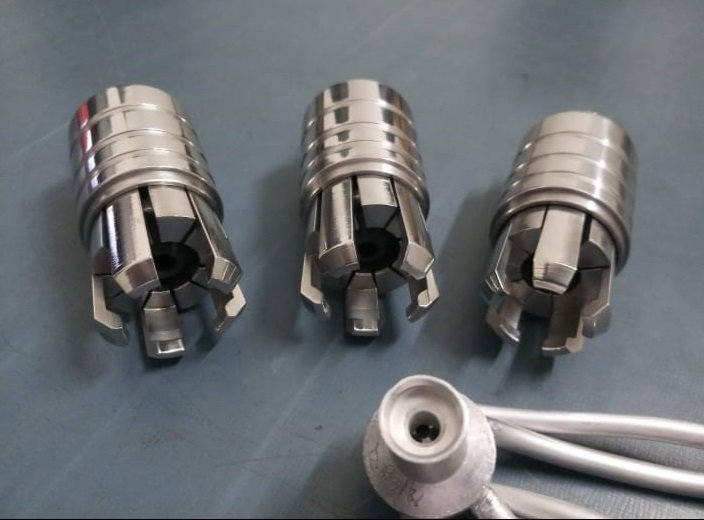
- Component positioning systems
Automated and semi-automated assembly equipment can improve consistency and reduce repetitive manual operations.
5. Industrial Conveyors
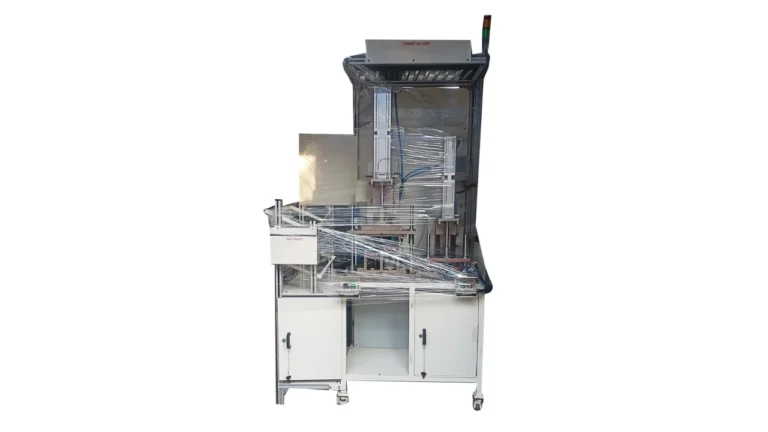
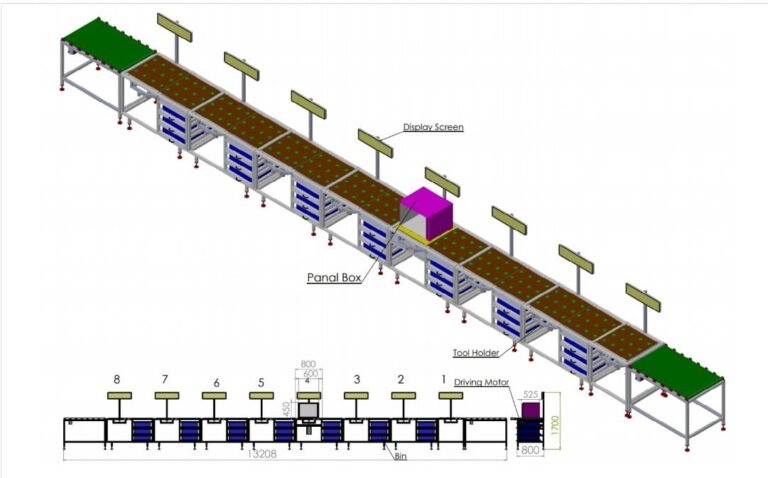
Conveyor systems are an important part of many production and material-handling operations. They transport components from one stage of manufacturing to another in an organized manner.
Depending on the application, manufacturers may use belt conveyors, roller conveyors, slanted conveyors, ball conveyors, or customized conveyor systems.
A properly designed conveyor can help maintain a smooth material flow and reduce unnecessary movement inside the production area.
6. Industrial Brazing Equipment
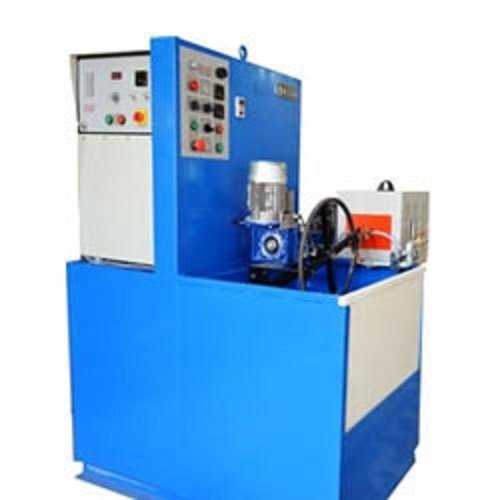
Industrial brazing equipment is used to join metal components by heating a filler material until it flows between the surfaces being joined.
Induction brazing machines are useful when manufacturers need controlled and localized heating. They are used for various components in automotive, electrical, refrigeration, and engineering applications.
Compared with manual heating methods, controlled induction brazing can provide better process consistency when properly designed and operated.
Applications of Industrial Equipment
Industrial equipment is used in almost every stage of modern manufacturing. Some major applications include:
Automotive Manufacturing
Automotive production requires high levels of accuracy and repeatability. Industrial equipment is used for component testing, assembly, hardening, brazing, material handling, and production automation.
Leak testing machines can help verify sealed automotive components, while induction hardening equipment can be used for selected metal parts requiring improved surface properties.
Metal and Engineering Industries
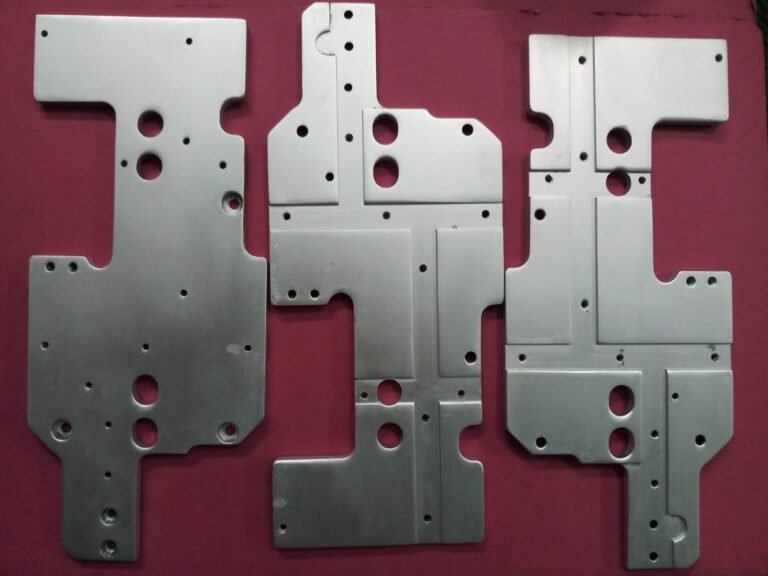
Engineering industries use industrial machinery for machining, heating, hardening, joining, testing, and material movement.
Specialized equipment allows manufacturers to perform processes according to specific dimensional, quality, and production requirements.
Electrical and Electronics Manufacturing
Electrical components often require controlled assembly, joining, testing, and handling processes. Industrial equipment can help maintain production consistency while reducing unnecessary manual intervention.
Pump, Valve and Pipe Manufacturing
Pumps, valves, pipes, and related components may need leak testing before being supplied for industrial use. Leak testing equipment helps manufacturers identify leakage and verify component integrity.
General Manufacturing
Industrial equipment is also used in general manufacturing facilities for production lines, component assembly, inspection, material movement, and process automation.
Importance of Industrial Equipment in Manufacturing
The right equipment can have a direct impact on manufacturing performance. Here are some important benefits.
Improved Production Efficiency
Industrial machines can perform repetitive operations faster and more consistently than manual processes. This helps manufacturers maintain a steady production flow.
Better Product Quality
Controlled machines can reduce variation between production cycles. Testing equipment can also identify defective components before they move to the next stage.
Reduced Manual Work
Automation and specialized machinery can reduce repetitive physical tasks. Employees can focus more on machine operation, monitoring, inspection, and other important responsibilities.
Higher Process Accuracy
Many industrial processes require precise pressure, temperature, speed, force, or measurement. Modern equipment can provide controlled operating conditions for these processes.
Improved Workplace Safety
Using appropriate machinery for demanding or repetitive tasks can reduce direct human exposure to certain production hazards. Safety systems, guards, sensors, and proper operating procedures are also essential.
Better Production Planning
Automated and semi-automated equipment can provide more predictable production cycles. This makes it easier to plan workloads, material movement, and manufacturing schedules.
How to Choose the Right Industrial Equipment
Selecting industrial equipment should be based on the actual requirements of the manufacturing process rather than simply choosing a machine with more features.
Consider factors such as:
- Type of manufacturing process
- Component size and material
- Required production capacity
- Required accuracy
- Level of automation
- Available floor space
- Energy consumption
- Maintenance requirements
- Operator safety
- Future production requirements
Manufacturers should also consider equipment compatibility with existing production lines. A machine that works well independently may still require modifications to integrate effectively with other systems.
Role of Automation in Industrial Equipment
Automation has changed the way modern factories operate. Sensors, controllers, programmable systems, and monitoring technologies can be integrated with industrial machines to improve process control.
For example, an automated leak testing system can control test pressure, monitor pressure changes, and provide results according to predefined parameters. Similarly, automated conveyors can move components between workstations without requiring constant manual handling.
The level of automation should depend on production volume, process complexity, budget, and quality requirements.
Maintenance of Industrial Equipment
Regular maintenance is essential for keeping industrial machinery reliable. Preventive maintenance can include inspection, cleaning, lubrication, calibration, replacement of worn components, and checking electrical or pneumatic systems.
Manufacturers should follow recommended maintenance schedules and monitor unusual vibration, noise, temperature, pressure, or performance changes. Early identification of problems can help reduce unexpected downtime.
Why Choose the Right Industrial Equipment?
Industrial equipment is more than a production asset. It is an important part of maintaining consistent manufacturing operations. The right combination of testing machines, conveyors, assembly systems, heating equipment, and automation solutions can help manufacturers create a more organized and efficient production environment.
For companies operating in competitive manufacturing sectors, selecting equipment according to actual process requirements is essential. Equipment should provide the required performance while also supporting quality control, safety, maintenance, and future production needs.
Conclusion
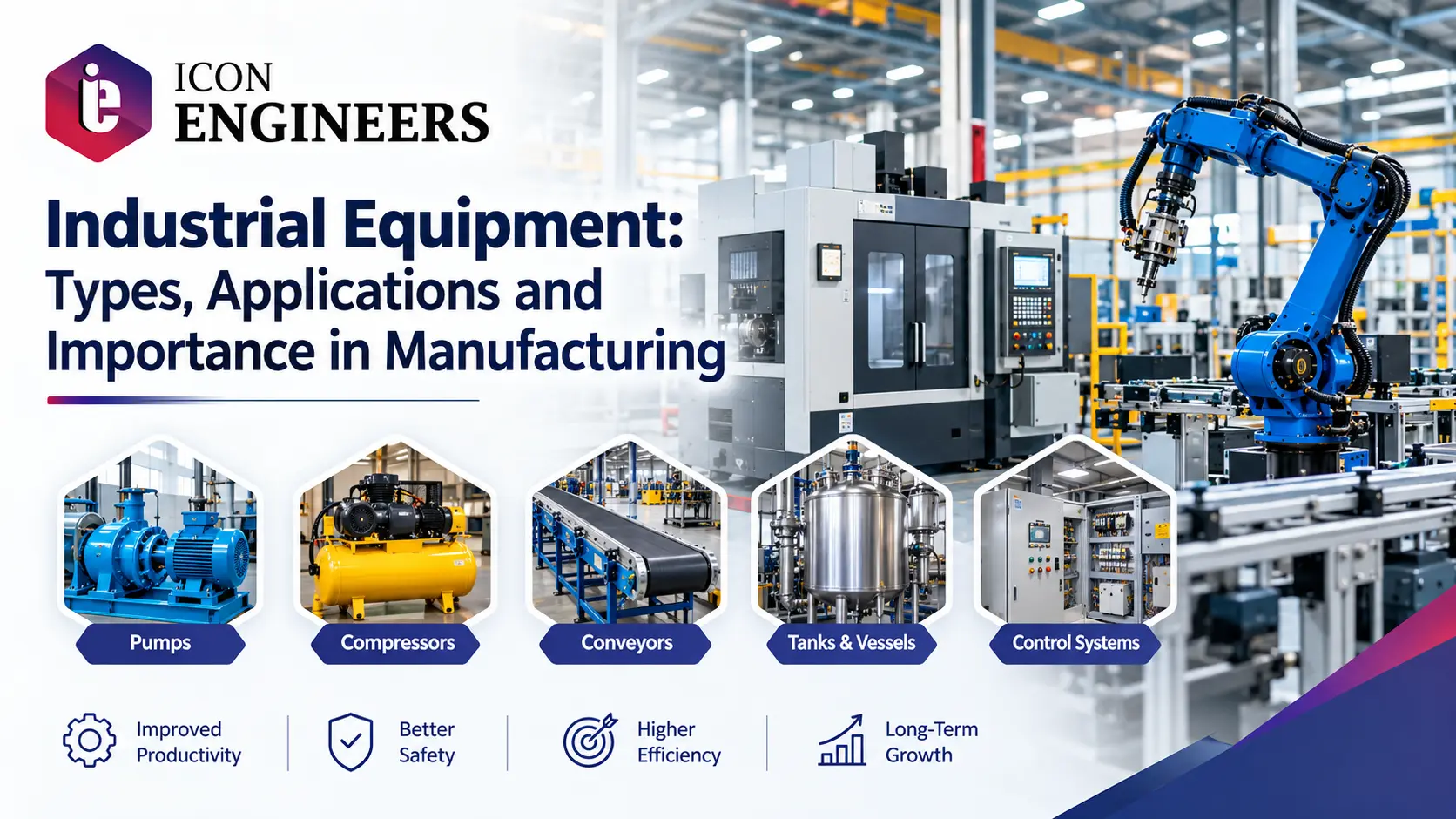
Industrial Equipment: Types, Applications and Importance in Manufacturing is an important subject for businesses looking to improve their production processes. From material handling and leak testing to induction hardening, brazing, assembly, and automation, different machines perform specialized functions throughout the manufacturing cycle.
Choosing suitable industrial equipment can help improve productivity, maintain product quality, reduce repetitive manual work, and create a more controlled production environment. With proper installation, operation, maintenance, and process integration, industrial equipment can support reliable manufacturing for the long term.