In today’s manufacturing industry, product quality and safety are more important than ever. Whether you manufacture automotive parts, hydraulic components, valves, medical devices, HVAC systems, or industrial equipment, even a small leakage can lead to product failure, increased maintenance costs, and customer dissatisfaction. This is why selecting the right gas leak testing method is a critical part of quality control.
However, with several leak testing technologies available, many manufacturers struggle to decide which method best suits their production process. The right choice depends on factors such as product design, leakage tolerance, testing speed, production volume, and industry standards.
In this guide, we’ll explain different gas leak test methods, their advantages, limitations, and how to choose the most suitable solution for your industrial applications.
What is a Gas Leak Test?
A gas leak test is a quality inspection process used to identify unwanted gas leakage from a component, assembly, or sealed product. During testing, air or another test gas is introduced into the product under controlled pressure. Specialized equipment then measures pressure changes or escaping gas to determine whether the product meets the required leak standards.
Gas leak testing is widely used in industries where product sealing and safety are critical, including automotive, electronics, aerospace, pharmaceuticals, HVAC, oil & gas, and industrial manufacturing.
Also Read: Which are the Different Types of Hydraulic Quick Couplers?
Why is Gas Leak Testing Important?
Leak testing is much more than a quality check. It helps manufacturers deliver reliable products while avoiding expensive recalls and warranty claims.
Some major benefits include:
- Prevents product failure before shipment.
- Ensures compliance with industry quality standards.
- Improves customer satisfaction and brand reputation.
- Reduces manufacturing defects and material wastage.
- Enhances workplace and operational safety.
- Lowers maintenance and repair costs.
- Supports consistent production quality.
Common Gas Leak Testing Methods
Different products require different testing techniques. Choosing the correct method depends on the required accuracy and production environment.
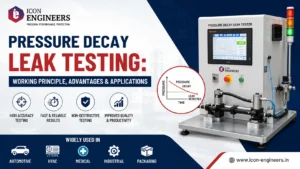
1. Pressure Decay Leak Test
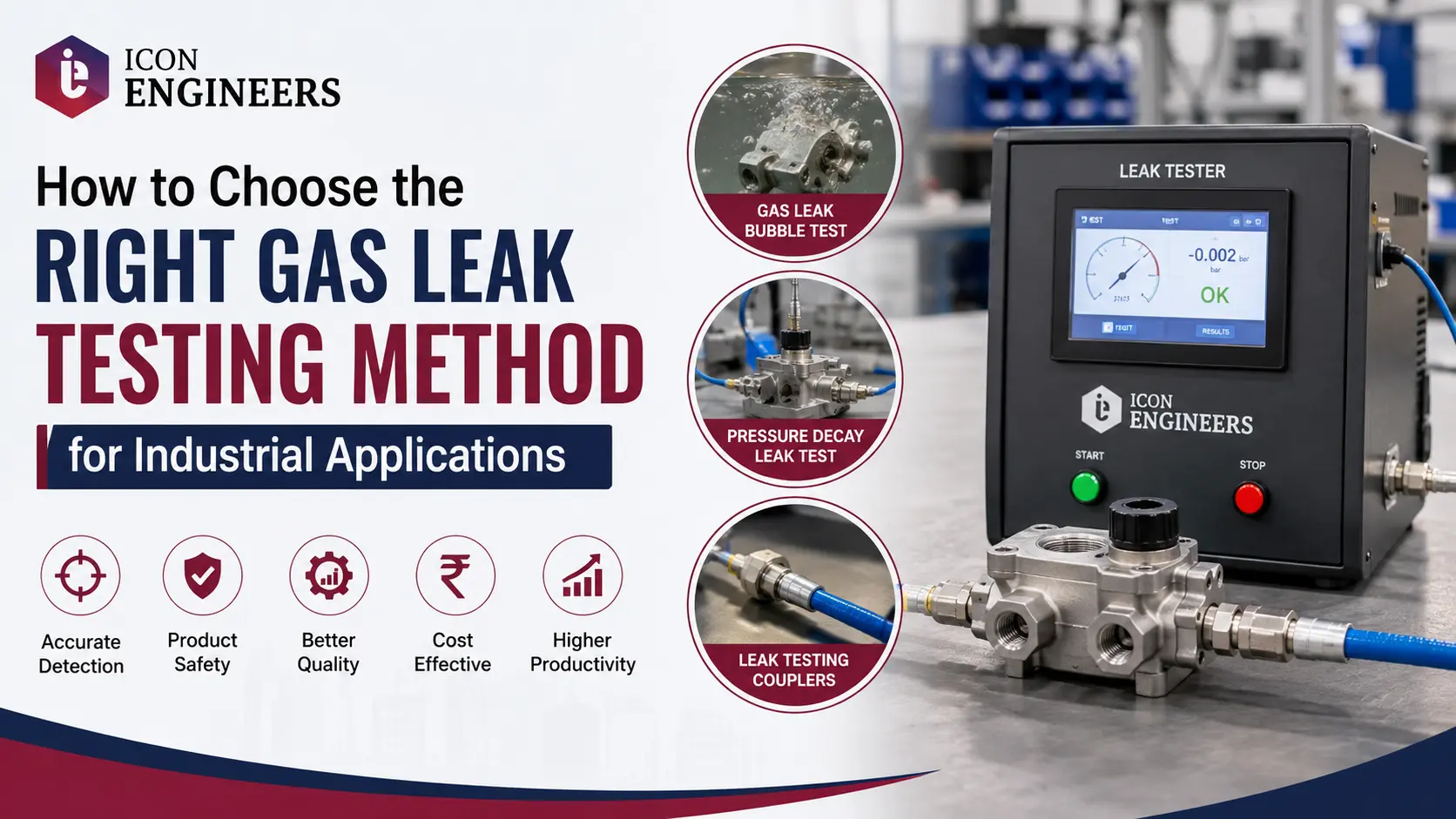
Pressure decay testing is one of the most widely used methods in industrial manufacturing. During this process, the component is pressurized with air or gas, and the pressure is monitored over a specified period. If the pressure decreases beyond the acceptable limit, the product is identified as leaking.
Best for:
- Automotive components
- Plastic parts
- Hydraulic assemblies
- Pneumatic products
- Medical devices
Advantages
- High accuracy
- Fast testing cycle
- Easy automation
- Cost-effective
- Suitable for mass production
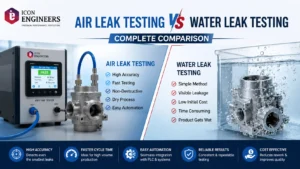
2. Gas Leak Bubble Test
The gas leak bubble test is one of the oldest and simplest leak detection methods. The component is pressurized and submerged in water or coated with a soap solution. Escaping gas creates visible bubbles, indicating the leak location.
This method is particularly useful for identifying the exact position of leakage during maintenance or prototype testing.
Advantages
- Low testing cost
- Easy to perform
- Leak location is clearly visible
- Ideal for manual inspection
Limitations
- Not suitable for very small leaks
- Depends on operator observation
- Slower than automated systems
3. Helium Leak Testing
Helium leak testing offers extremely high sensitivity and is commonly used where even microscopic leaks cannot be tolerated.
Helium gas is introduced into the product, and specialized detectors identify any escaping helium.
Applications
- Aerospace
- Medical equipment
- Semiconductor manufacturing
- Vacuum systems
Benefits
- Exceptional accuracy
- Detects extremely small leaks
- Reliable for critical components
4. Mass Flow Leak Testing
Mass flow testing measures the amount of gas flowing into or out of a sealed product.
This method is highly effective for products with larger internal volumes where pressure decay may not provide sufficient accuracy.
Applications
- Fuel systems
- HVAC equipment
- Industrial tanks
- Pipes and hoses
5. Differential Pressure Leak Testing
Differential pressure testing compares the pressure between a reference chamber and the test component.
This method offers better repeatability and minimizes the effect of environmental pressure variations.
Suitable for
- Precision manufacturing
- Automotive parts
- Electronic components
How to Choose the Right Gas Leak Testing Method
Many manufacturers ask, “How to test for gas leak?” The answer depends on several technical factors rather than choosing a single testing method for every application.
Product Design
The shape, size, and internal volume of the product significantly influence the testing method. Complex products often require advanced leak detection systems.
Leak Size Requirement
Determine the smallest leak that must be detected. Critical industries like aerospace and medical manufacturing require much higher accuracy than general industrial products.
Production Volume
High-volume manufacturing benefits from automated leak testing systems that deliver faster inspection and consistent quality.
Testing Speed
Cycle time plays an important role in production efficiency. Faster testing methods improve throughput without compromising quality.
Industry Standards
Select a testing method that complies with your industry’s quality and safety requirements.
Automation Requirements
If your production line is automated, choose a leak testing system that integrates easily with robotic or PLC-controlled manufacturing processes.
How to Test for a Gas Leak Safely
When industries ask “how to test for a gas leak”, safety should always be the first priority.
Some recommended practices include:
- Use calibrated leak testing equipment.
- Maintain the recommended testing pressure.
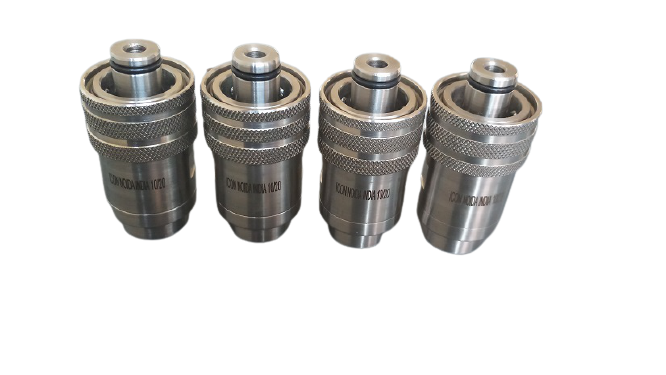
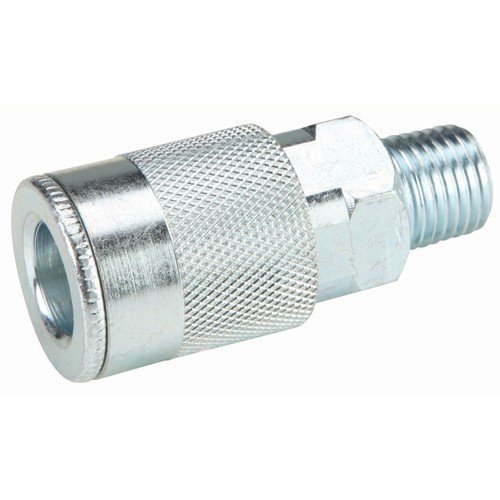
- Inspect couplers, fixtures, and seals before testing.
- Perform routine equipment maintenance.
- Train operators on proper testing procedures.
- Follow all applicable industrial safety standards.
- Record and monitor testing results for quality control.
These practices improve testing accuracy while minimizing operational risks.
Industries That Require Gas Leak Testing
Gas leak testing is essential across numerous industrial sectors, including:
- Automotive Manufacturing
- Hydraulic Equipment
- Pneumatic Components
- HVAC Industry
- Medical Device Manufacturing
- Oil & Gas Equipment
- Refrigeration Systems
- Electrical Components
- Industrial Valves
- Plastic Moulded Products
Each industry has unique leak testing requirements, making it essential to select the appropriate testing technology.
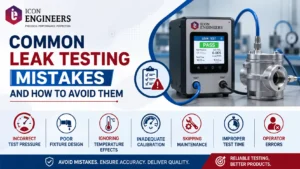
Common Mistakes to Avoid During Gas Leak Testing
Many manufacturers experience inconsistent testing results because of avoidable mistakes.
Some common errors include:
- Using incorrect testing pressure
- Choosing an unsuitable leak testing method
- Ignoring equipment calibration
- Poor fixture sealing
- Worn-out testing couplers
- Inadequate operator training
- Skipping preventive maintenance
Eliminating these issues helps improve product quality and testing reliability.
Why Choose Icon Engineers?
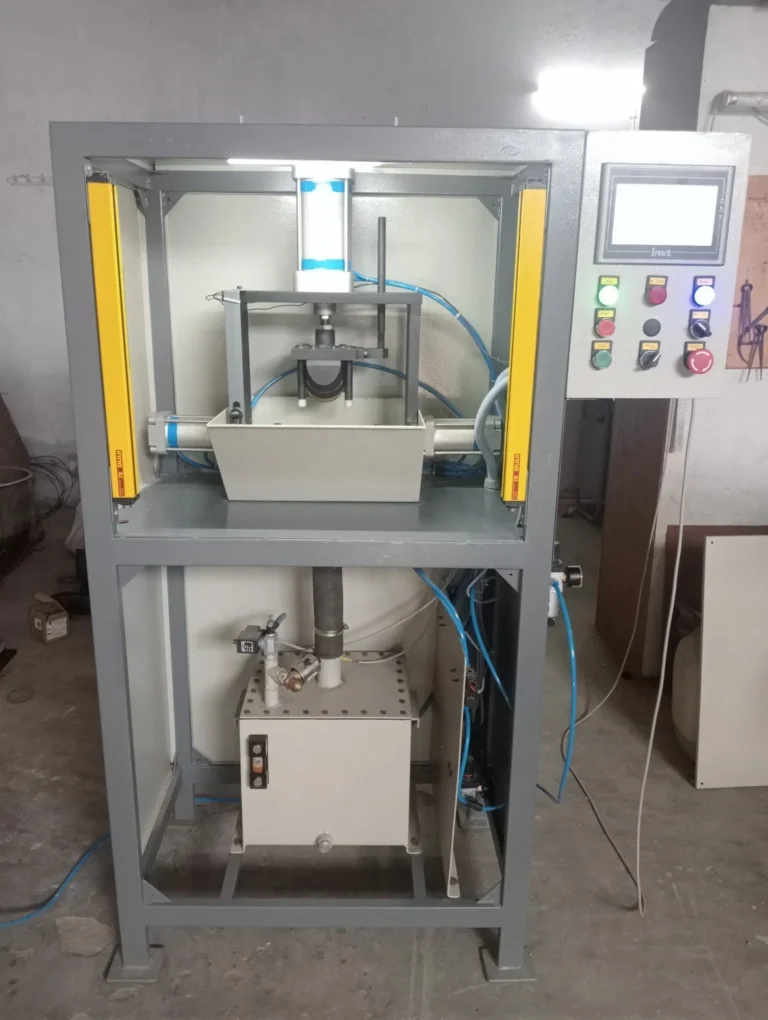
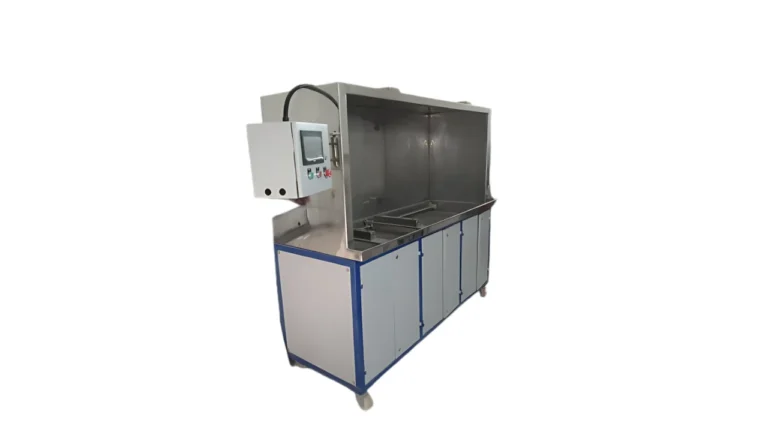
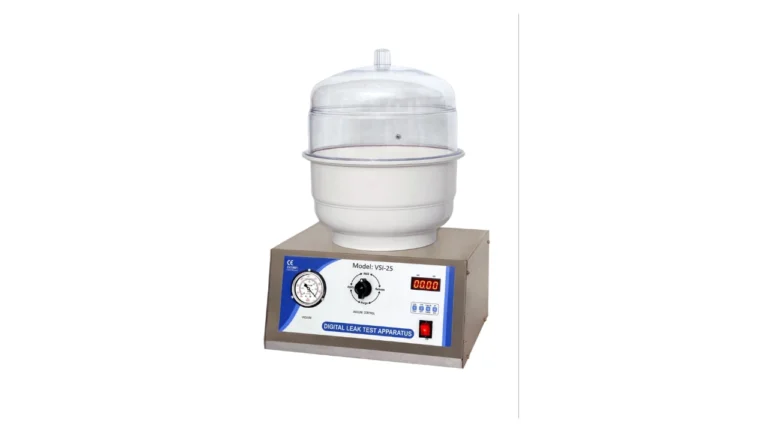
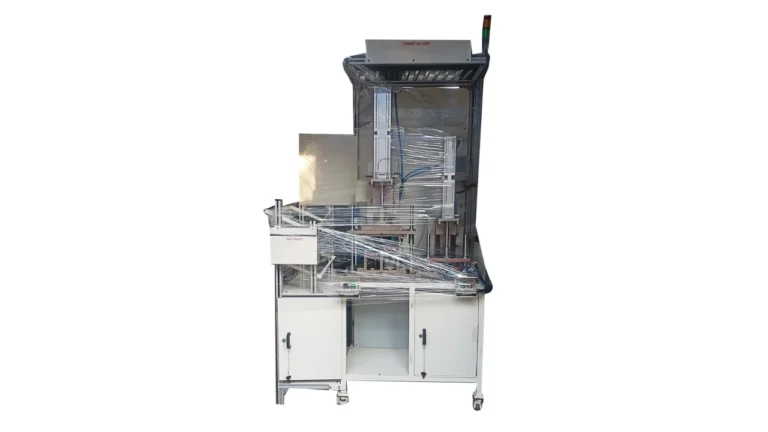
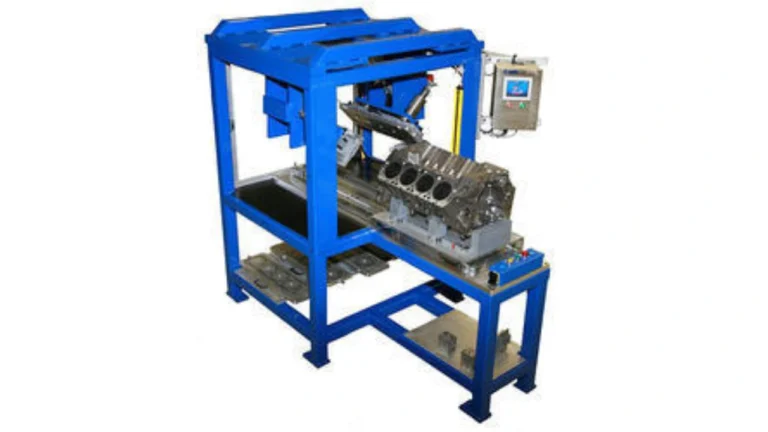
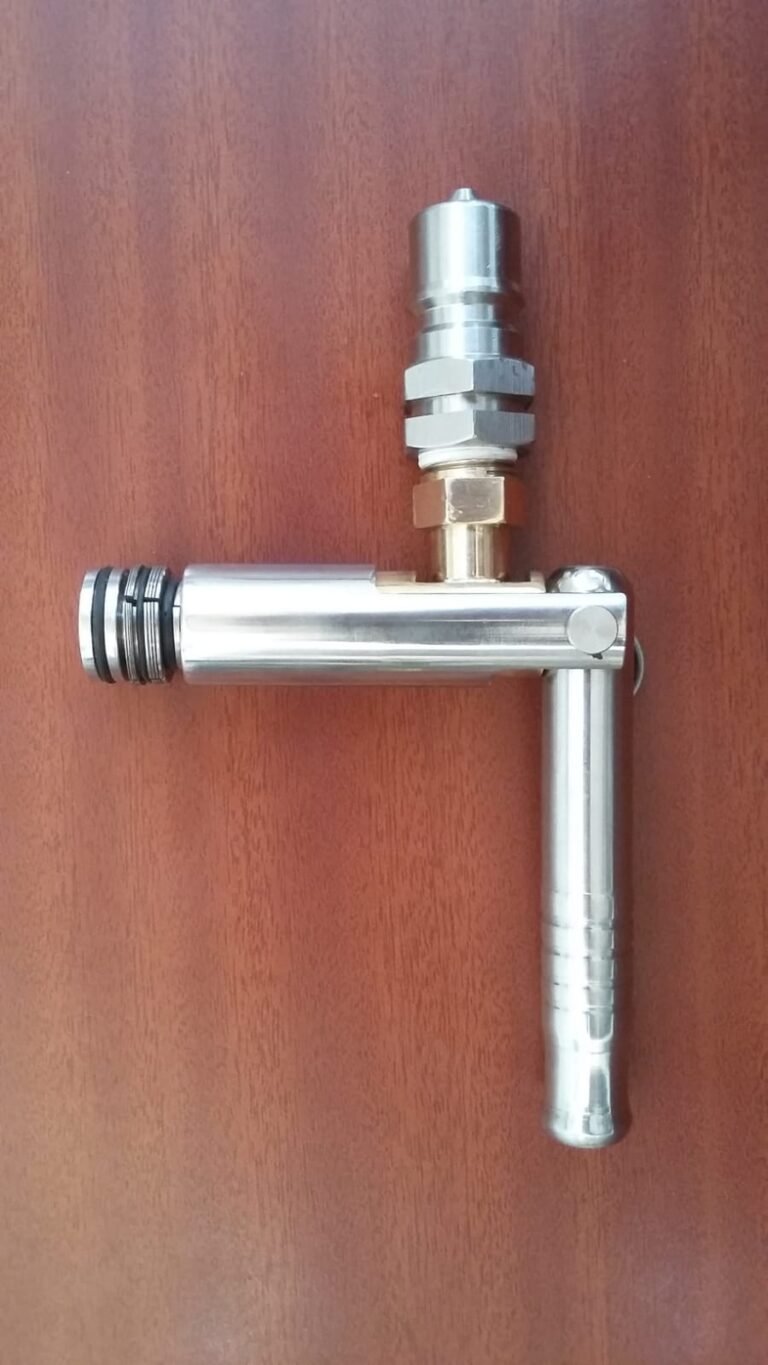
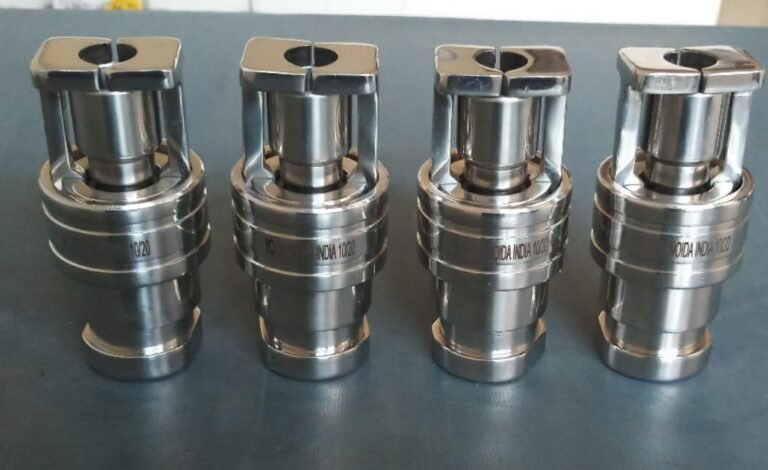
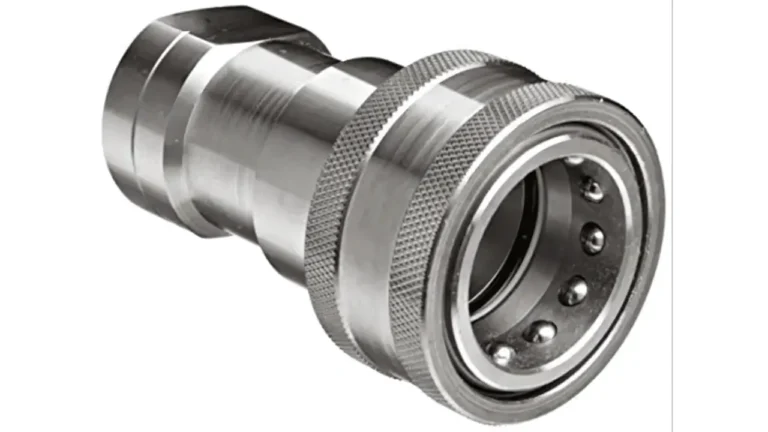
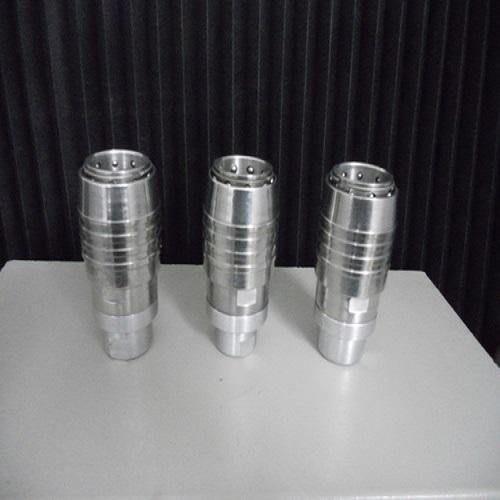
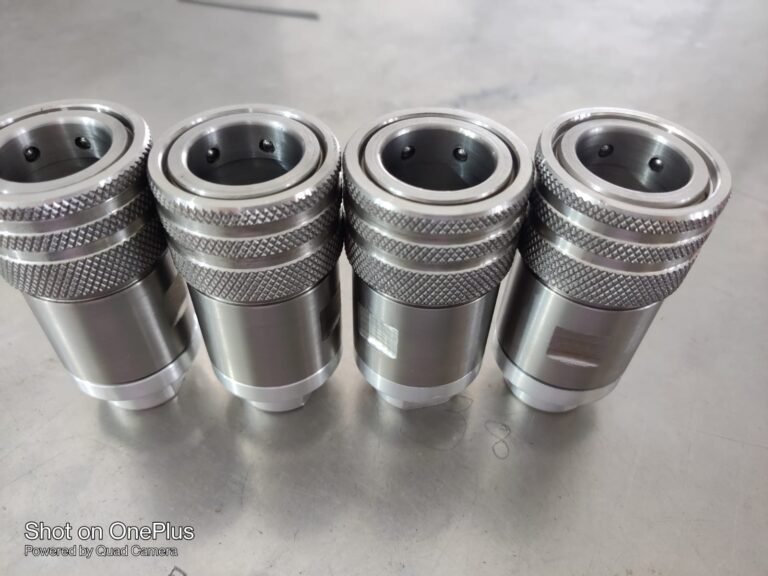
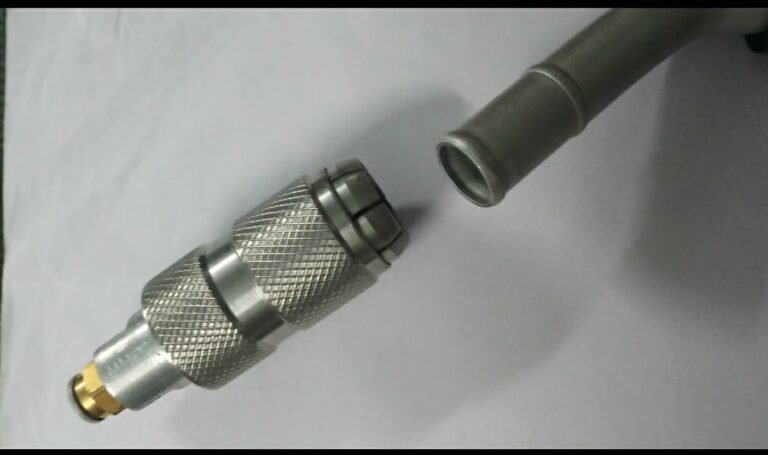
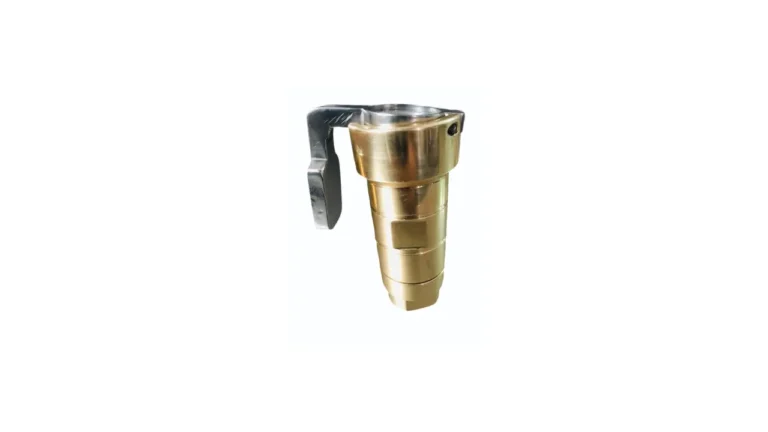
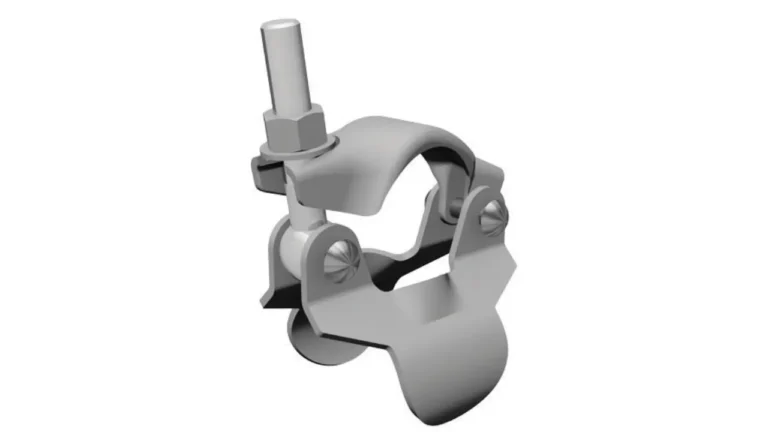
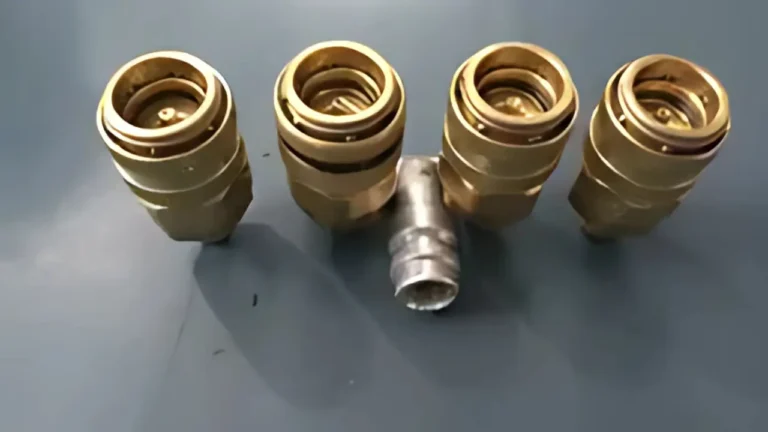
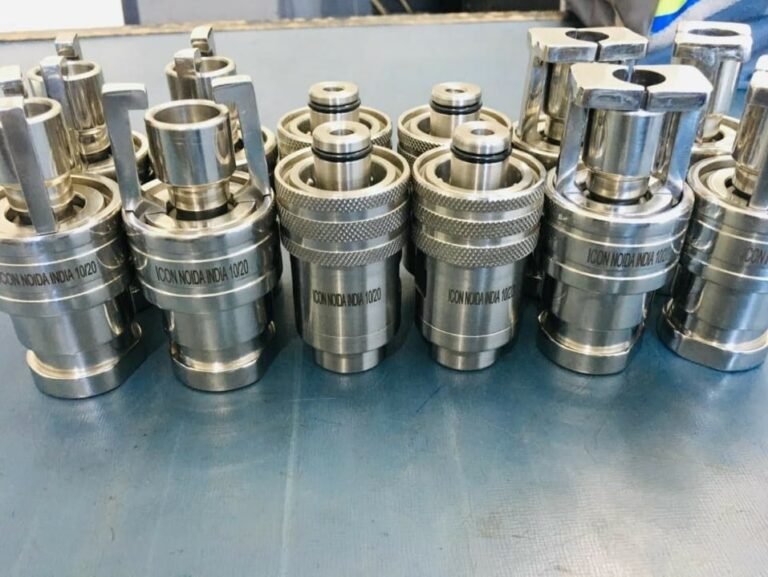
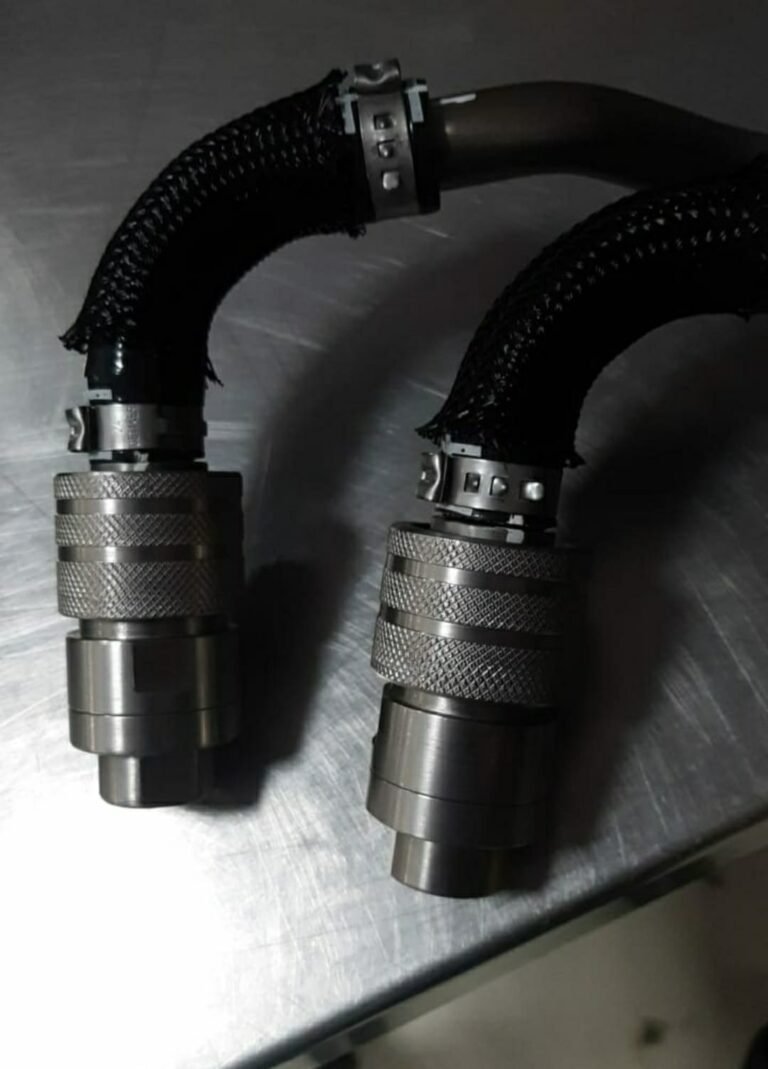
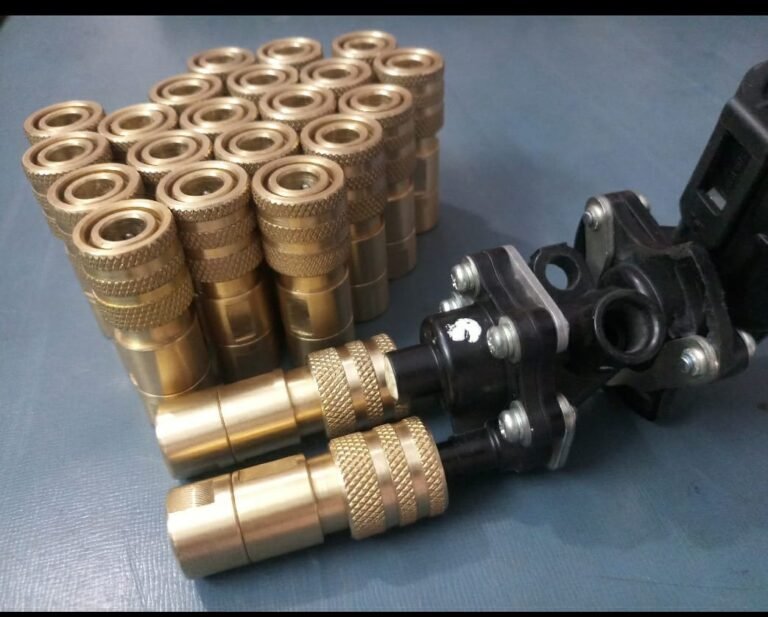
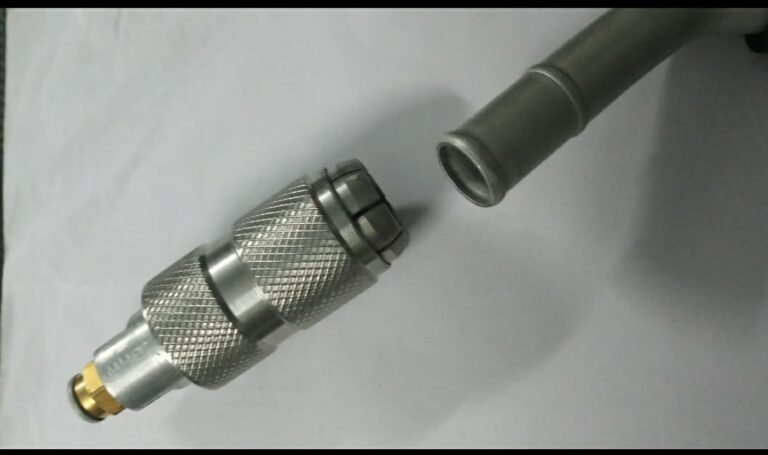
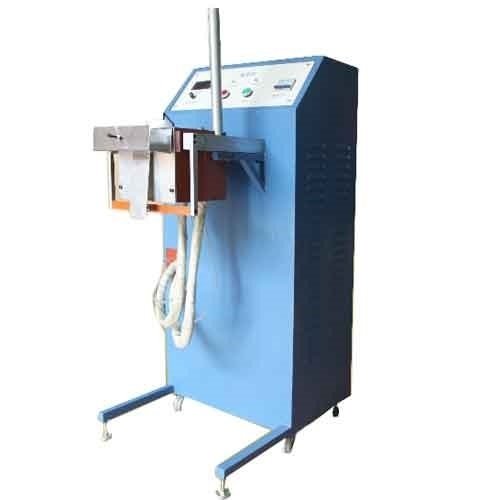
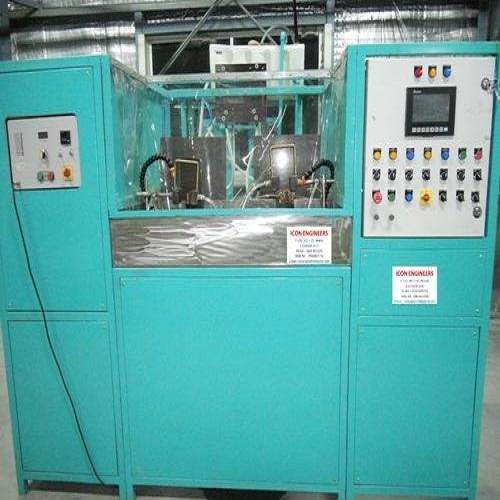
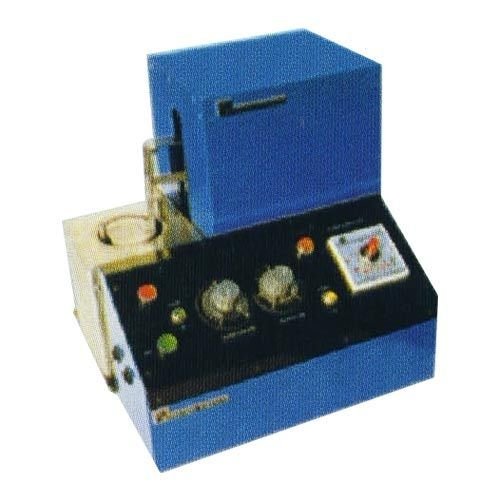
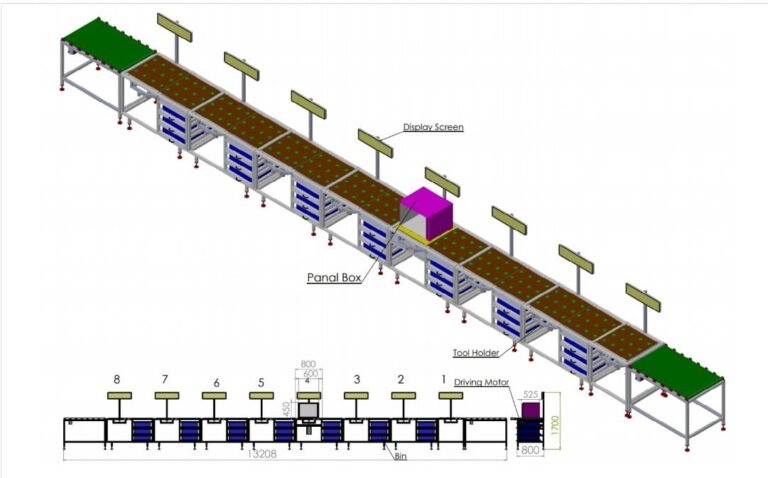
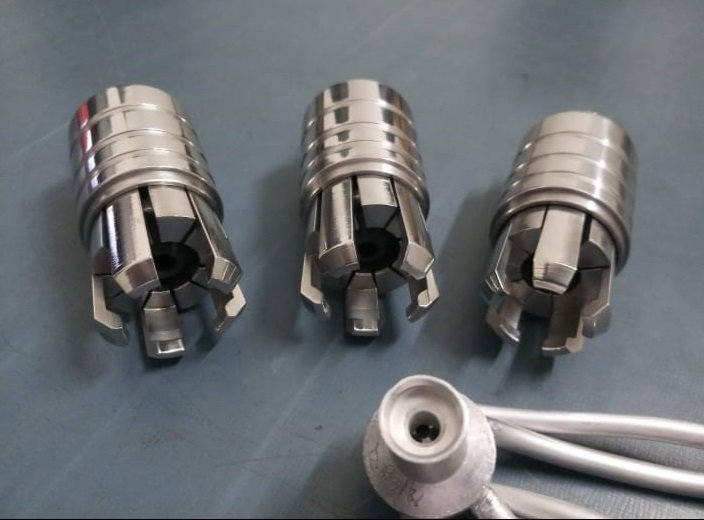
At Icon Engineers, we manufacture precision-engineered leak testing solutions designed to meet the quality requirements of modern industries. Our leak testing equipment, testing fixtures, hose leak testing couplers, and customized automation solutions are developed to deliver accurate, repeatable, and efficient testing performance. Every solution is designed with a focus on reliability, ease of operation, and long service life, helping manufacturers improve quality control while reducing production downtime.
Whether you require a standard leak testing system or a fully customized solution, our experienced engineering team works closely with you to recommend the most suitable technology for your manufacturing process.
Conclusion
Selecting the right gas leak testing method is essential for ensuring product quality, safety, and long-term reliability. From the simple gas leak bubble test to advanced pressure decay and helium leak testing systems, every method offers unique advantages depending on the application. Understanding your product requirements, production volume, accuracy expectations, and industry standards will help you make the right decision.
If you’re still wondering how to test for gas leak or how to test for a gas leak in your manufacturing process, partnering with an experienced solution provider can make all the difference. Icon Engineers offers advanced leak testing solutions tailored to your industrial requirements, helping you achieve accurate testing, improved productivity, and consistent product quality.