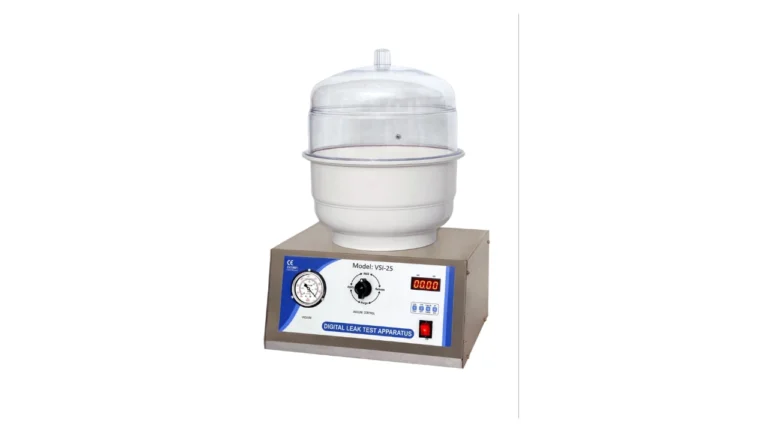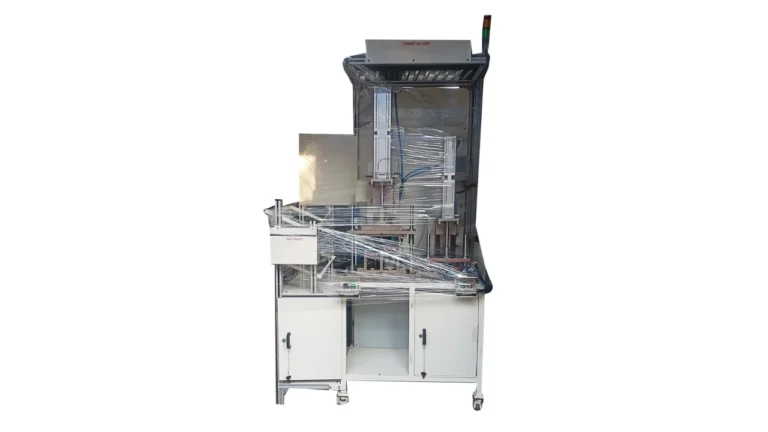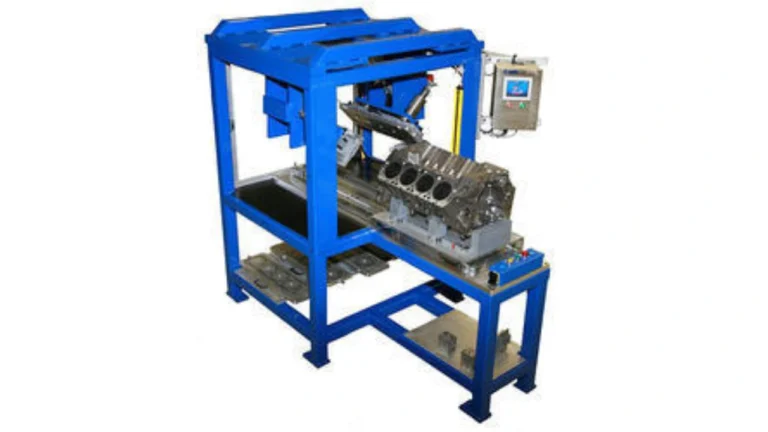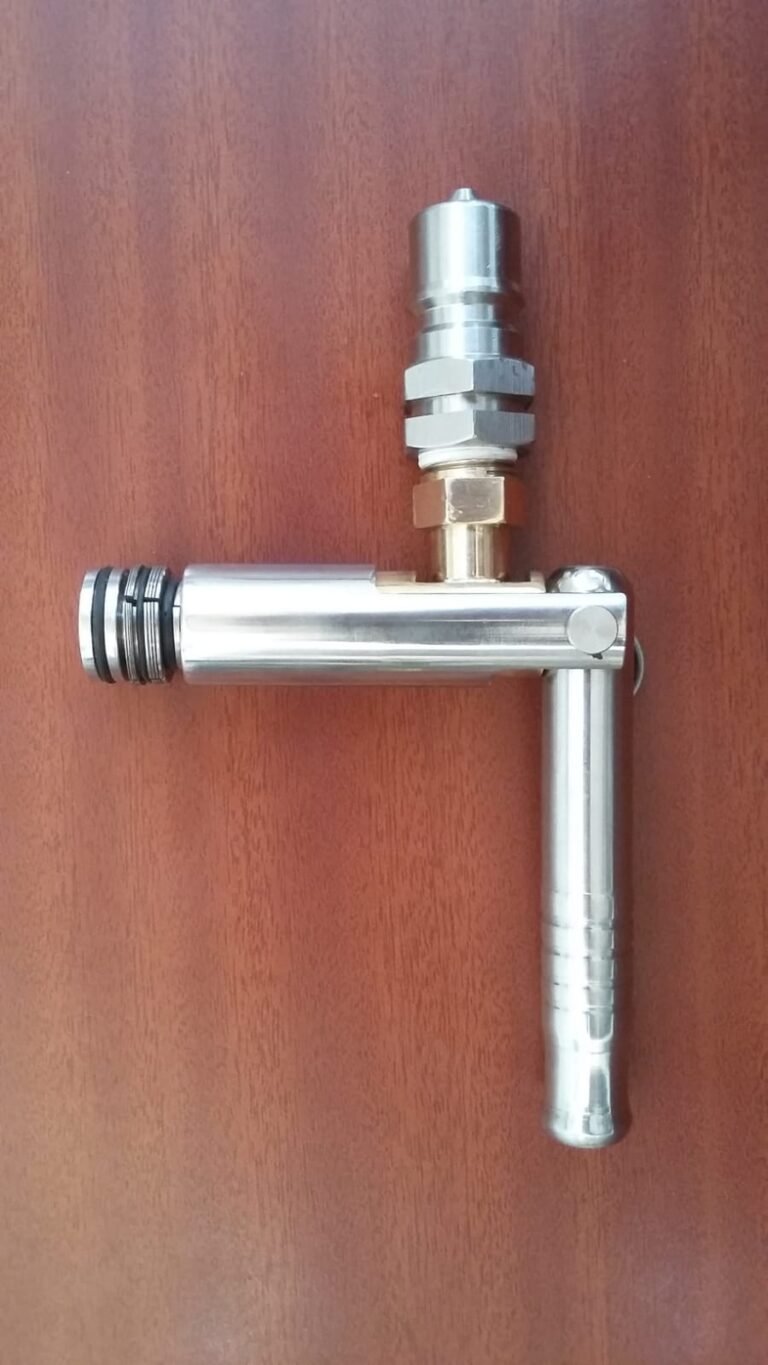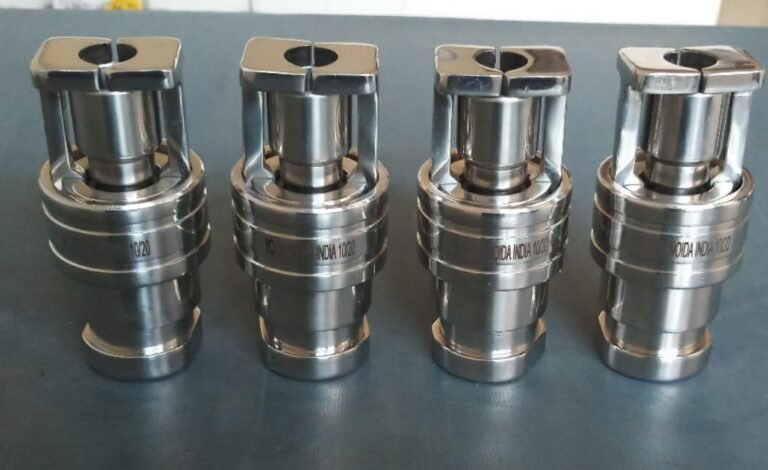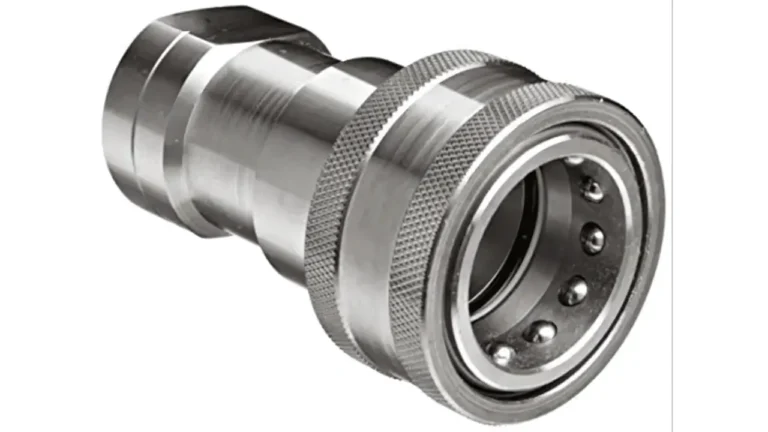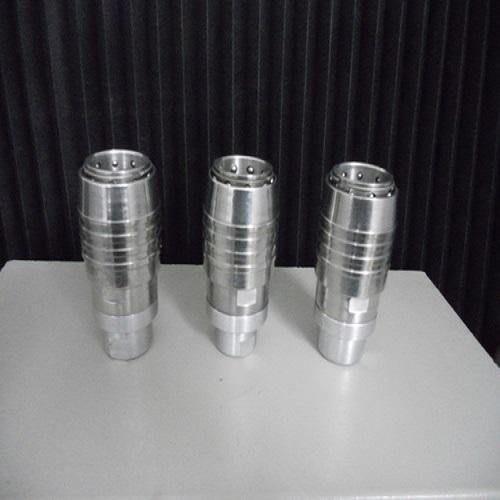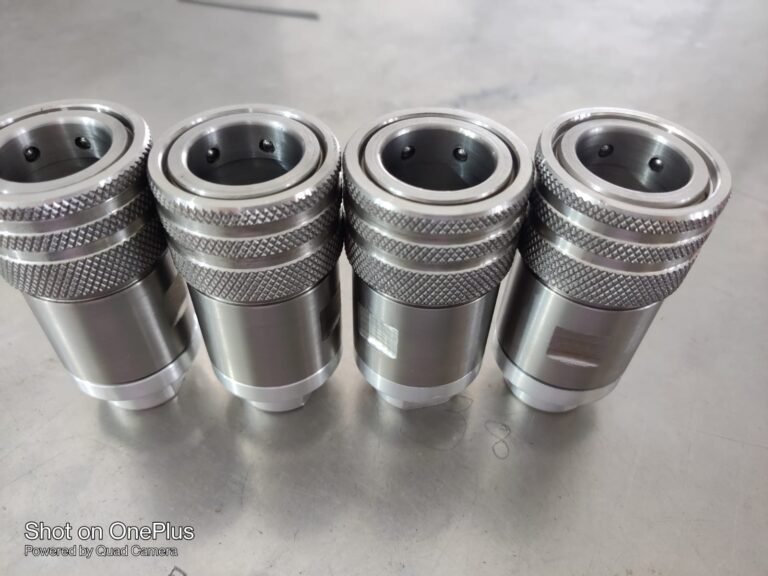
In today’s competitive manufacturing industry, delivering leak-free products is essential for ensuring product quality, customer satisfaction, and regulatory compliance. Even a minor leak in components such as fuel pipes, valves, radiators, medical devices, or HVAC systems can lead to product failure, safety hazards, and costly recalls. This is why manufacturers increasingly rely on pressure decay leak testing as one of the most accurate and non-destructive leak detection methods.
Pressure decay testing is widely used because it provides fast, reliable, and repeatable results without damaging the product under inspection. Whether you are testing automotive components, industrial assemblies, or consumer products, choosing the right leak testing technology is critical for maintaining quality standards.
In this guide, Icon-Engineers explains the working principle, benefits, applications, and different types of pressure decay testing systems to help you understand why this technology has become the preferred choice for industries worldwide.
What is Pressure Decay Leak Testing?
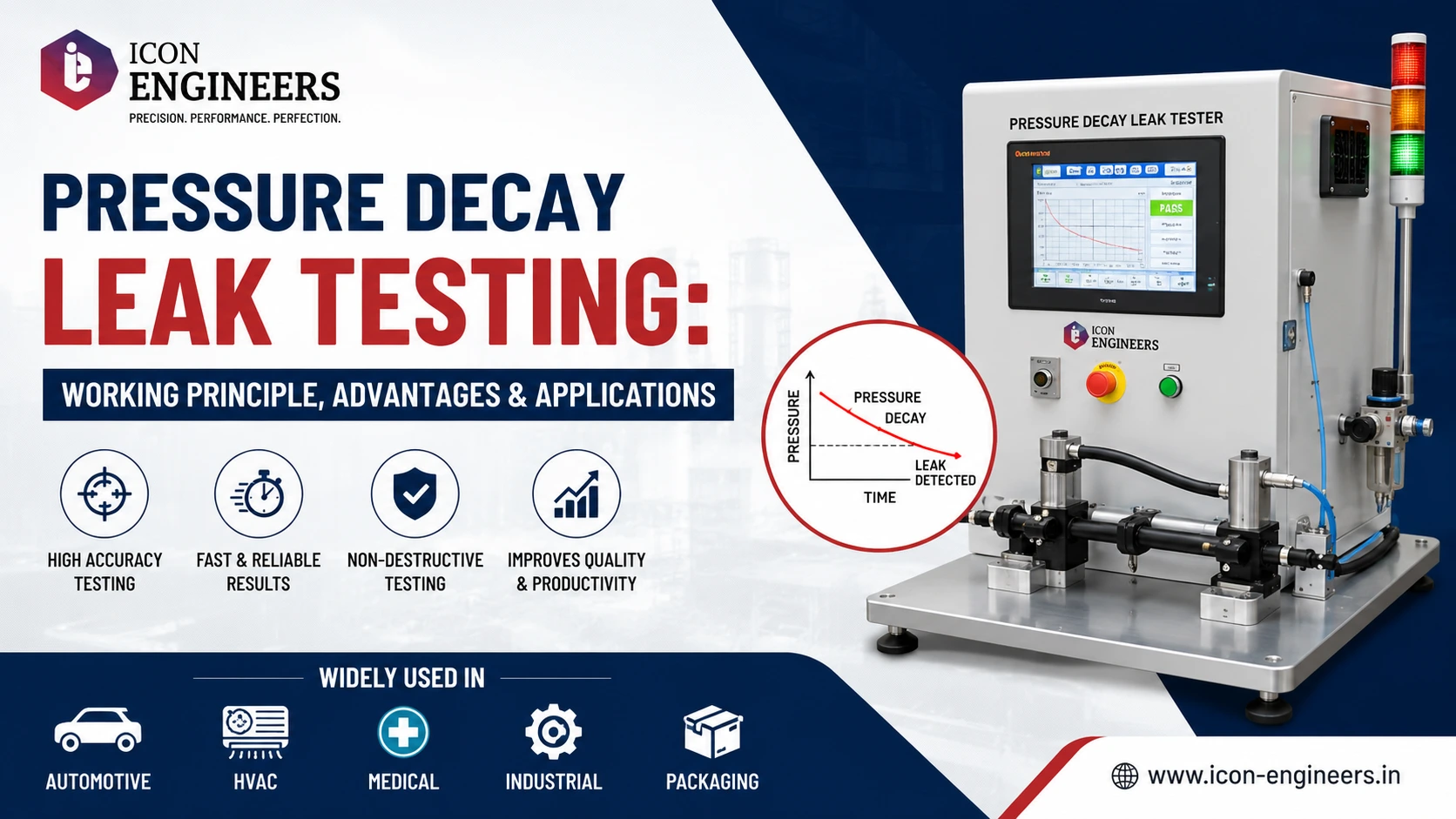
Pressure decay leak testing is a non-destructive testing method used to determine whether a component or assembly has a leak by monitoring changes in internal air pressure over a specified period.
During the testing process, the component is sealed and filled with compressed air to a predetermined pressure. Once the required pressure is reached, the air supply is isolated, and the system monitors any pressure drop inside the test part. If the pressure remains stable, the component passes the test. If pressure decreases beyond the acceptable limit, the component is identified as leaking.
Since this method does not require water or other liquids, it offers a clean, efficient, and highly accurate solution for leak detection in industrial manufacturing.
Also Read: What Does a Pipe Coupler Do
Working Principle of Pressure Decay Leak Testing
The working process of pressure decay testing involves several simple but highly accurate steps.
1. Component Sealing
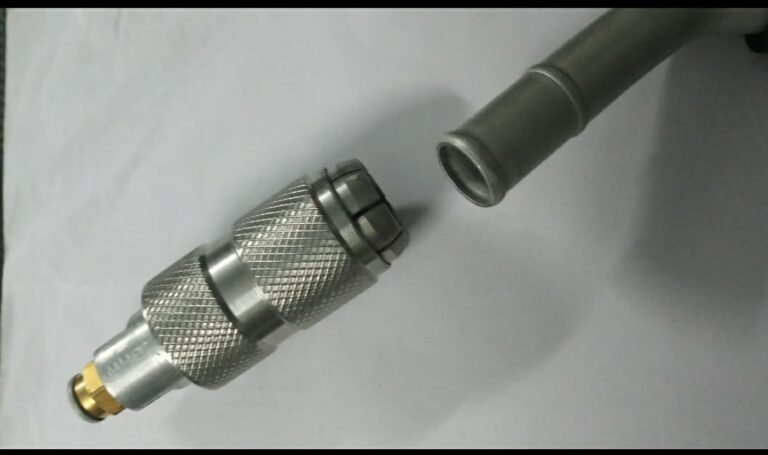
The product is securely connected to the testing fixture, ensuring that external leakage does not affect the results.
2. Pressurization
Compressed air is introduced into the component until it reaches the desired test pressure.
3. Stabilization
The system allows the internal pressure to stabilize, eliminating fluctuations caused by temperature or air compression.
4. Isolation
The air supply is automatically shut off, isolating the component from the pressure source.
5. Pressure Monitoring
The pressure decay tester continuously monitors pressure changes for a preset duration.
6. Result Analysis
If the pressure drop remains within acceptable limits, the product passes. Otherwise, it is rejected for leakage.
This automated process provides highly repeatable results while minimizing operator dependency.
What is a Pressure Decay Tester?
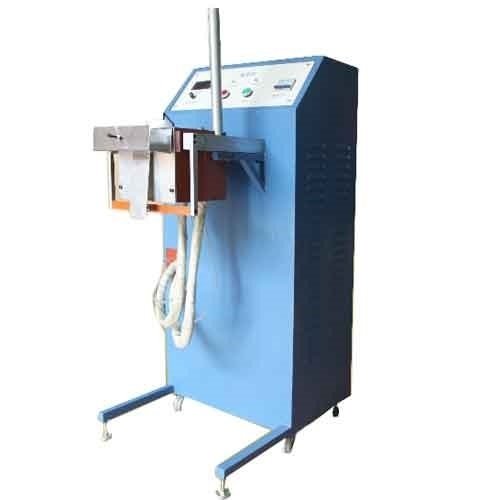
A pressure decay tester is an advanced leak testing instrument that measures pressure loss with exceptional accuracy.
Modern pressure decay testers include:
- High-resolution pressure sensors
- PLC-based automation
- Digital touch screen interface
- Real-time pressure monitoring
- Automatic pass/fail indication
- Data logging and report generation
- Barcode integration
- Network connectivity for Industry 4.0
These intelligent systems ensure reliable leak detection while improving production efficiency and traceability.
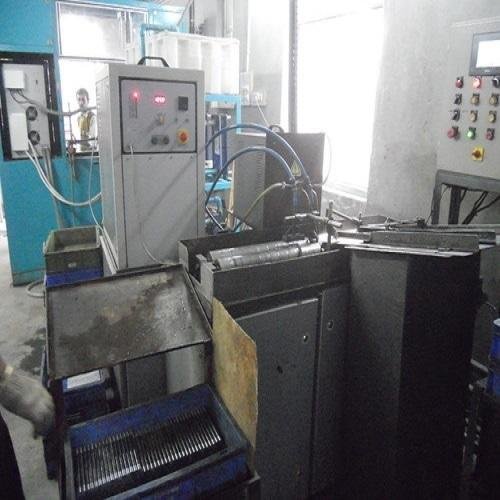
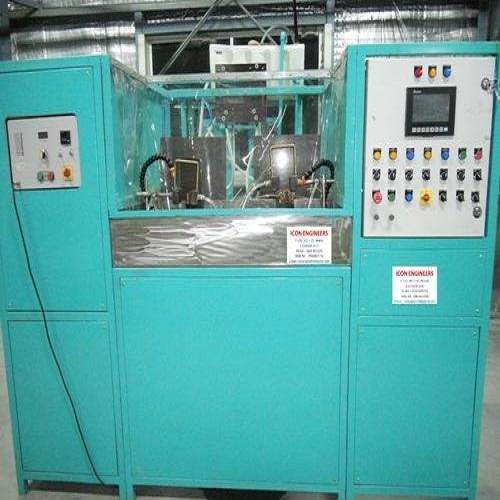
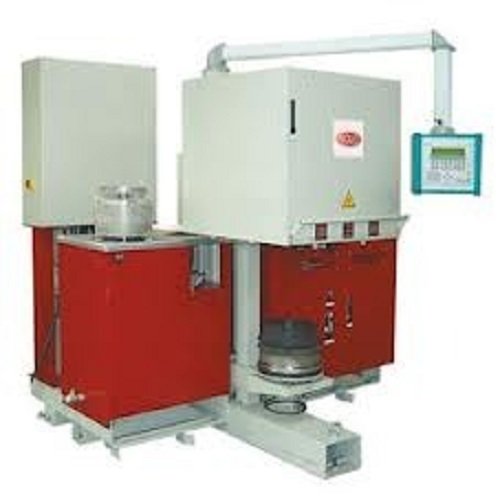
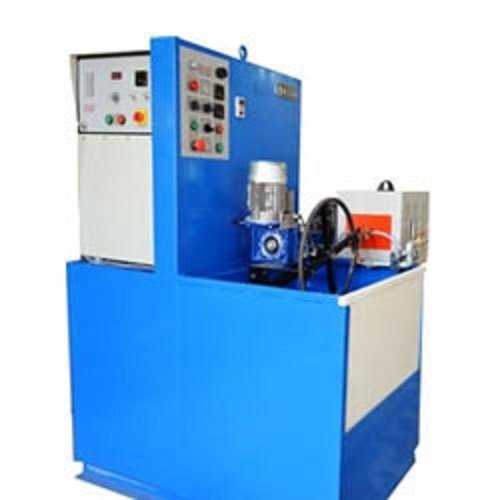
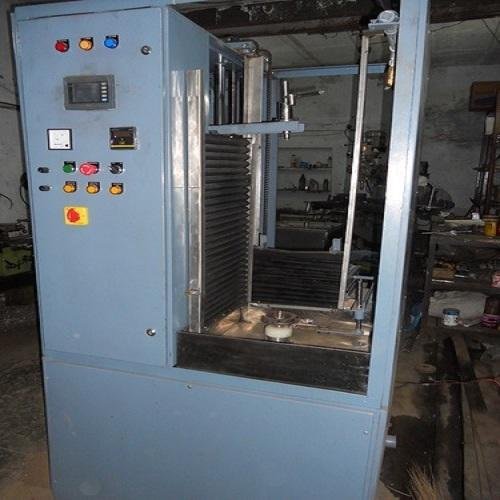
Pressure Decay Test Equipment
Choosing the right pressure decay test equipment plays an important role in achieving accurate inspection results.
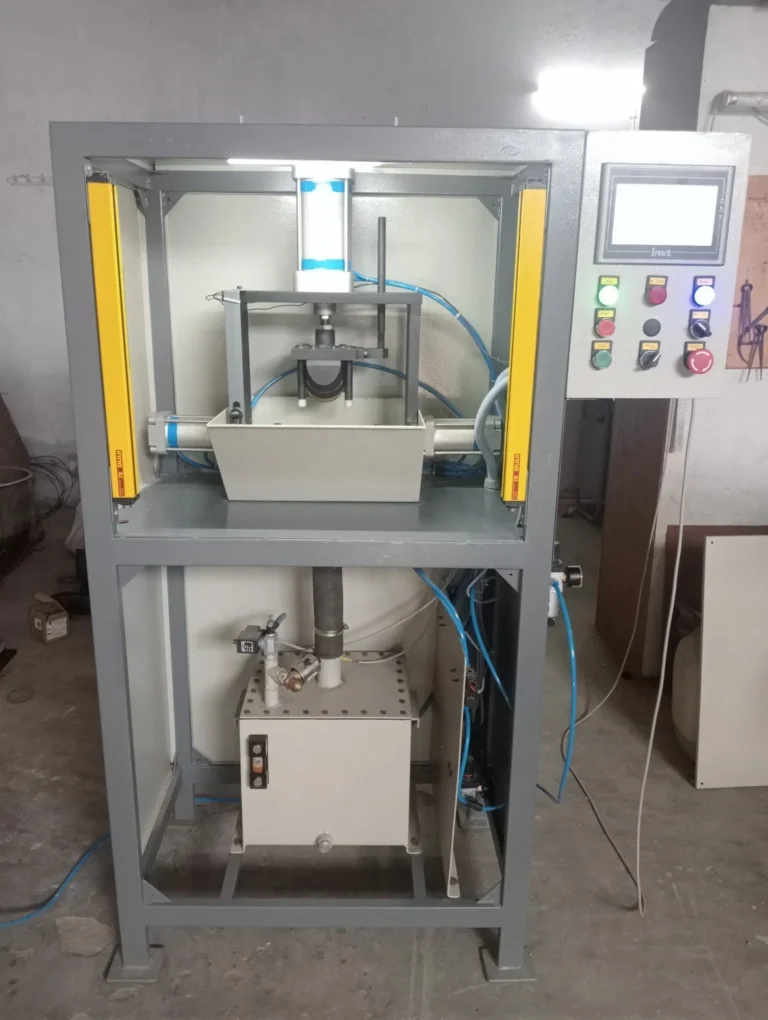
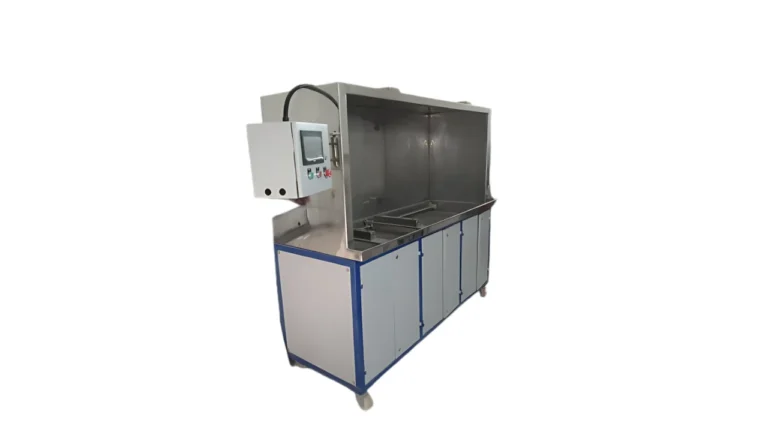
A complete pressure decay testing system generally includes:
- Digital pressure controller
- Precision pressure sensors
- Leak testing fixture
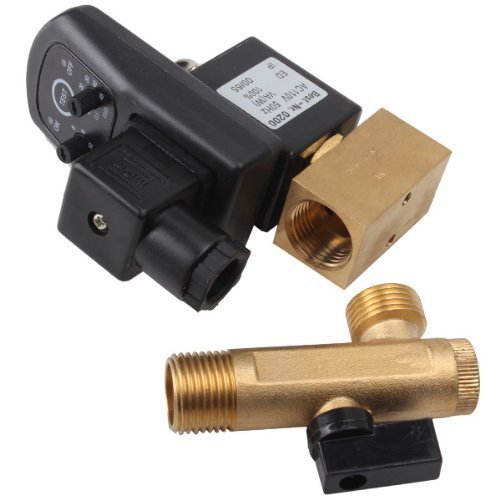
- Pneumatic valves
- PLC and HMI control system
- Test chamber
- Air filtration unit
- Data acquisition software
High-quality pressure decay test equipment enables manufacturers to reduce testing errors while increasing production speed and consistency.
Advantages of Pressure Decay Leak Testing
Pressure decay testing has become one of the most preferred leak detection methods because of its numerous operational advantages.
High Accuracy
The technology detects extremely small leaks with exceptional precision.
Non-Destructive Testing
Products remain completely undamaged after testing, making the process suitable for finished components.
Fast Inspection
Short testing cycles improve production throughput and reduce inspection time.
Repeatable Results
Automated systems eliminate human error and provide consistent testing performance.
Clean Process
Unlike hydrostatic testing, no water or chemicals are involved, reducing cleanup requirements.
Cost-Effective
Lower maintenance, minimal consumables, and automated operation reduce long-term operating costs.
Easy Integration
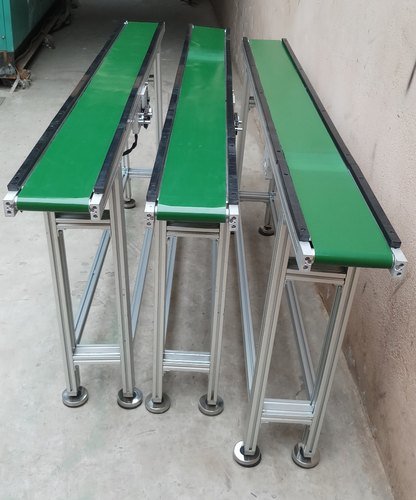
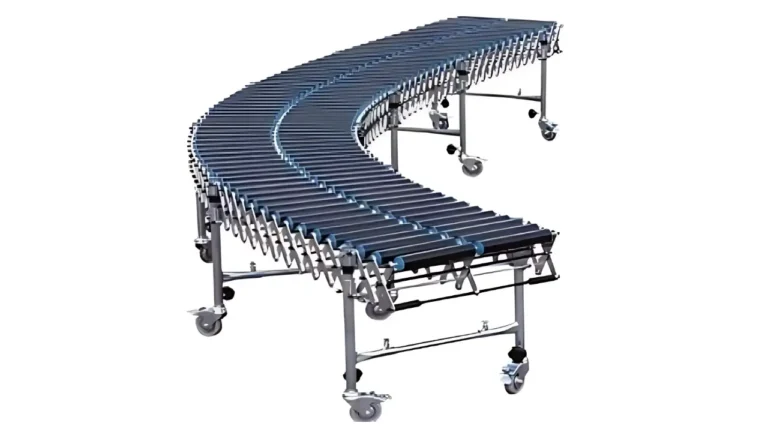
Pressure decay systems can be integrated into manual, semi-automatic, and fully automated production lines.
Differential Pressure Decay Leak Testing
For applications requiring even greater sensitivity, differential pressure decay leak testing offers enhanced measurement accuracy. Instead of monitoring pressure in only one component, this method compares the pressure of the test part with a reference chamber. Any difference between the two chambers indicates leakage.
Differential pressure decay testing is commonly used for:
- Medical devices
- Pharmaceutical packaging
- Electronic components
- Precision automotive parts
- Aerospace assemblies
This method provides superior sensitivity when testing extremely small leakage rates.
Vacuum Decay Leak Test
A vacuum decay leak test works differently from conventional pressure decay testing. Instead of filling the product with compressed air, the component is placed under vacuum conditions. The system monitors any increase in pressure caused by external air entering the component.
Vacuum decay testing is widely used for:
- Pharmaceutical packaging
- Medical devices
- Flexible packaging
- Food containers
- Sealed electronic products
It is especially effective for products that cannot withstand positive internal pressure.
Air Decay Leak Testing Equipment
Many industries prefer air decay leak testing equipment because it offers a fast, economical, and environmentally friendly testing solution.
Air decay systems are suitable for testing:
- Fuel pipes
- Automotive radiators
- Plastic tanks
- Heat exchangers
- Air conditioning components
- Valves
- Pumps
- Cylinders
- Plastic molded products
- Industrial assemblies
Since compressed air is readily available in most manufacturing plants, air decay testing becomes a practical and efficient inspection method.
Applications of Pressure Decay Leak Testing
Pressure decay technology is used across numerous industrial sectors.
Automotive Industry
Testing fuel pipes, radiators, brake systems, engine components, and air-conditioning assemblies.
HVAC Industry
Leak testing compressors, condensers, evaporators, and refrigeration components.
Medical Industry
Inspection of syringes, catheters, medical tubing, and diagnostic devices.
Electronics Industry
Testing waterproof enclosures, batteries, sensors, and electrical housings.
Packaging Industry
Ensuring leak-free bottles, containers, blister packs, and flexible packaging.
Industrial Manufacturing
Inspection of valves, pumps, hydraulic components, pneumatic parts, pressure vessels, and industrial assemblies.
How to Choose the Right Pressure Decay Leak Testing System
Before purchasing a leak testing system, manufacturers should evaluate several important factors.
These include:
- Required testing accuracy
- Component size
- Production volume
- Test pressure range
- Automation level
- Data recording requirements
- Industry standards
- Future production expansion
Working with an experienced manufacturer ensures the testing system is optimized for your specific application and delivers long-term reliability.
Why Choose Icon-Engineers?
Icon-Engineers is a trusted manufacturer of advanced leak testing solutions designed to meet the evolving needs of modern industries. We specialize in high-performance pressure decay test equipment, customized leak testing systems, and intelligent automation solutions that deliver exceptional accuracy and reliability.
Our leak testing machines are engineered using advanced sensors, precision control systems, and robust components to ensure fast testing cycles, repeatable results, and minimal maintenance. Whether you require a standalone pressure decay tester, automated production line integration, or customized leak testing equipment, our experienced team provides complete solutions tailored to your application.
From automotive and HVAC to medical devices and industrial manufacturing, our systems help businesses improve product quality, reduce rejection rates, and achieve higher production efficiency.
Conclusion
As quality expectations continue to rise across industries, pressure decay leak testing has become one of the most reliable and efficient methods for detecting leaks in industrial components. Its non-destructive nature, high accuracy, fast testing cycles, and compatibility with automated manufacturing make it the preferred choice for modern production facilities.
Whether you need standard pressure decay test equipment, advanced air decay leak testing equipment, highly sensitive differential pressure decay leak testing systems, or specialized vacuum decay leak test solutions, selecting the right technology is essential for maintaining product quality and customer confidence.
At Icon-Engineers, we provide innovative leak testing solutions that combine precision engineering, advanced automation, and customized design to help manufacturers achieve reliable quality control and long-term operational excellence.