When designing a fluid, gas, or hydraulic connection system, choosing the right fitting can make a noticeable difference in installation time, maintenance, reliability, and overall operating efficiency. Two commonly used options are quick coupling and threaded fitting. Both are designed to connect components and maintain a secure flow path, but they work differently and are suitable for different operating conditions.
A threaded connection depends on matching male and female threads to create a mechanical joint, while a quick connect coupling is designed for fast connection and disconnection without requiring tools for every changeover. In industrial applications where hoses, pipelines, testing equipment, or hydraulic components need frequent connection and removal, quick coupling systems can offer considerable practical advantages.
Icon-Engineers provides coupling and connection solutions for industrial applications where dependable fluid transfer and convenient equipment operation are important. Understanding the differences between quick couplings and threaded fittings can help you select a solution that matches your actual application.
What Is a Quick Coupling?
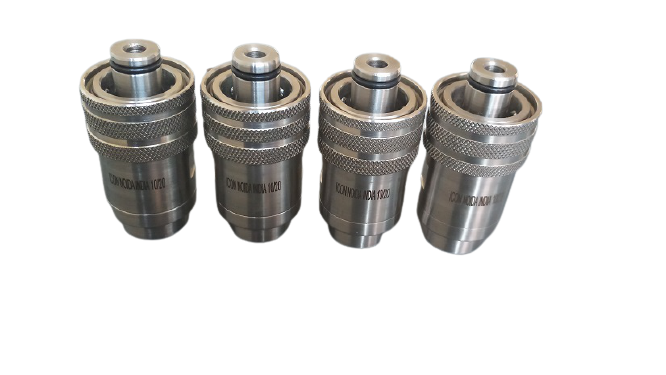
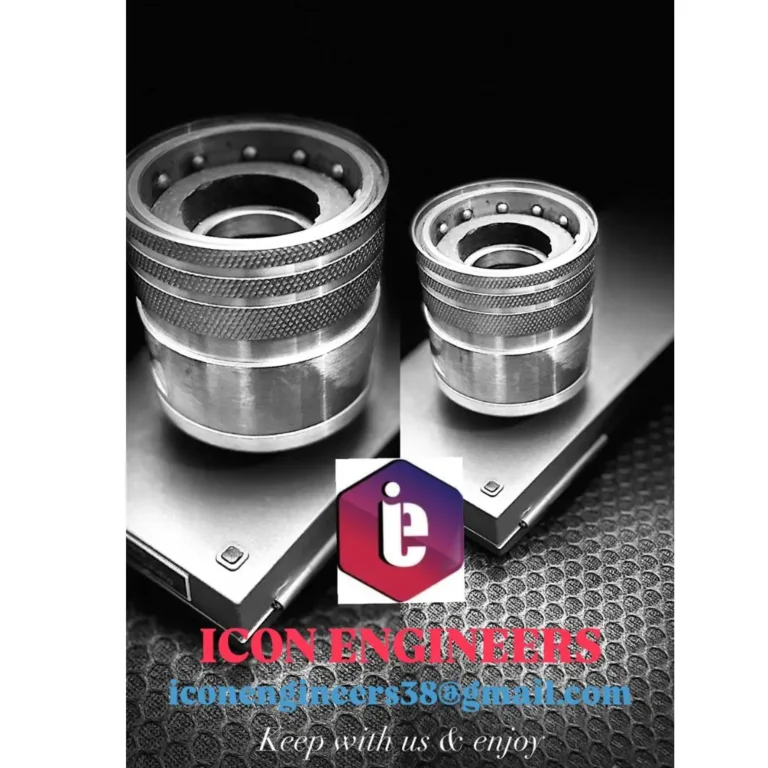
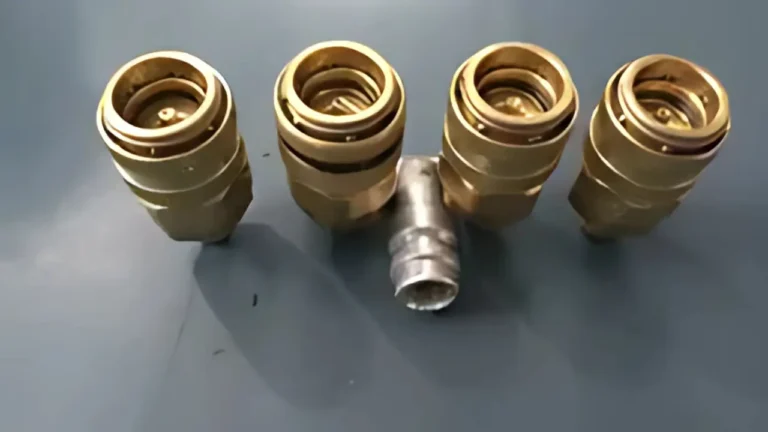
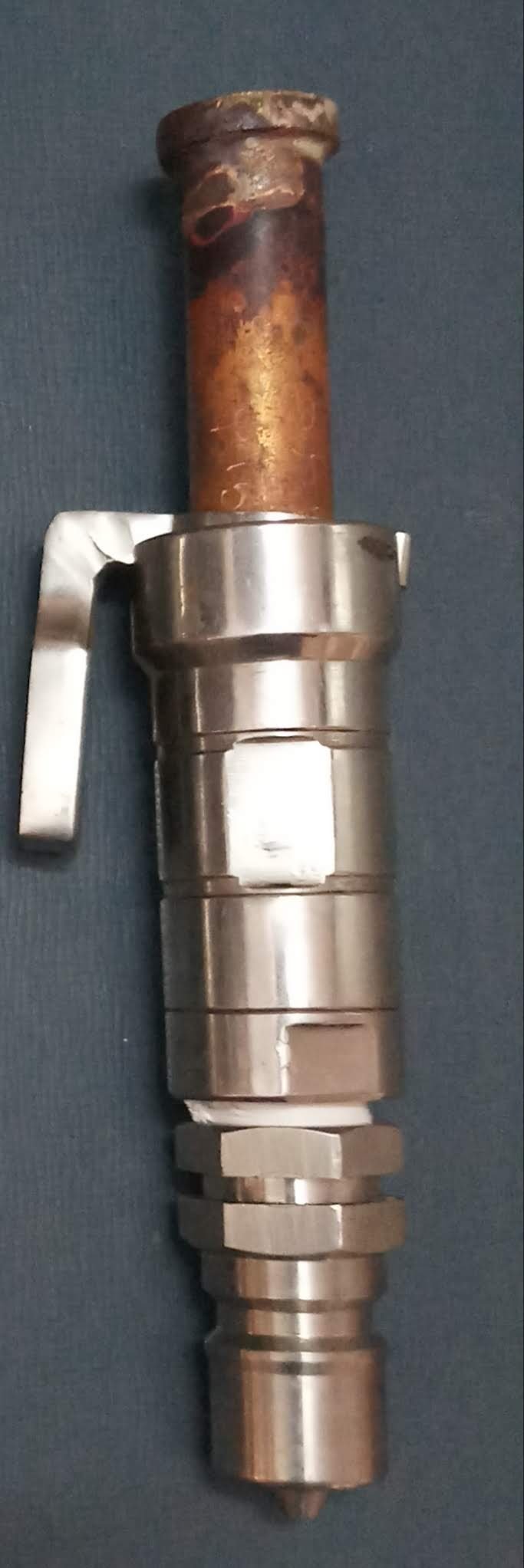
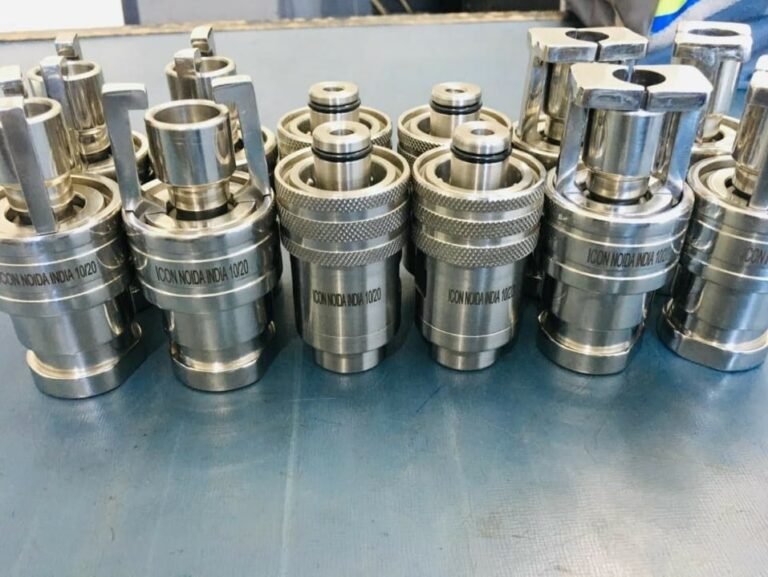
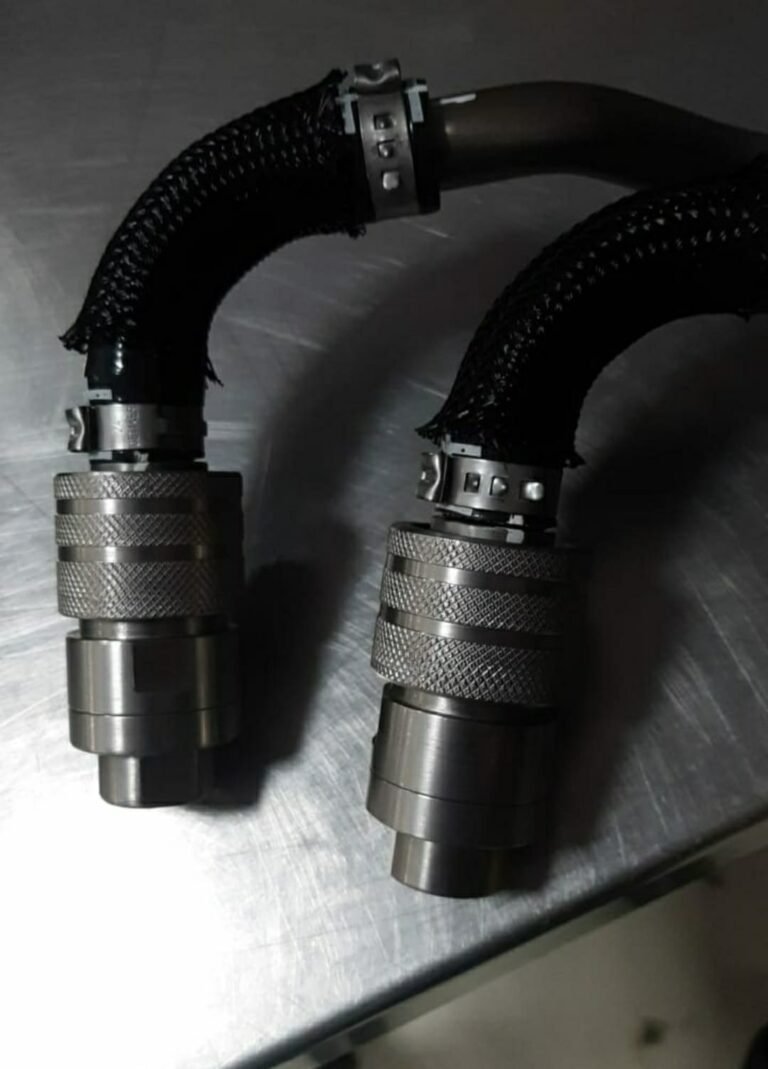
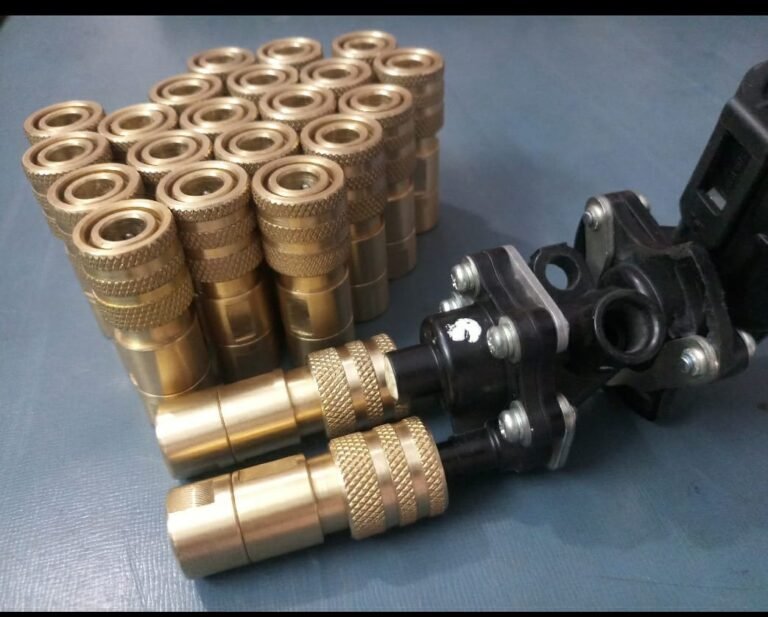
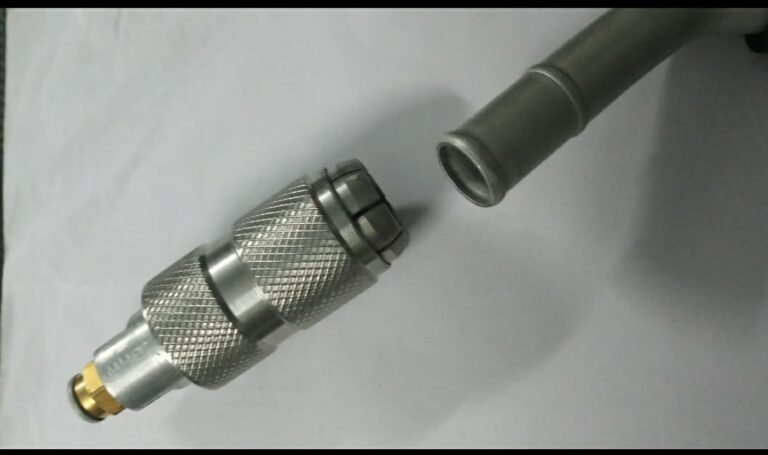
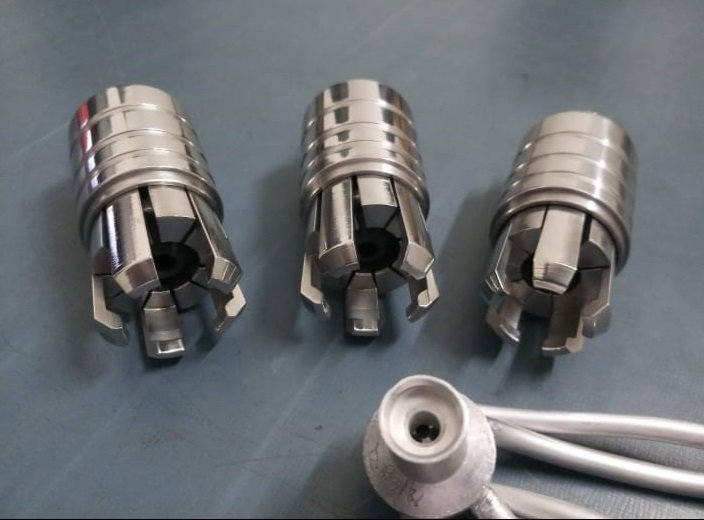
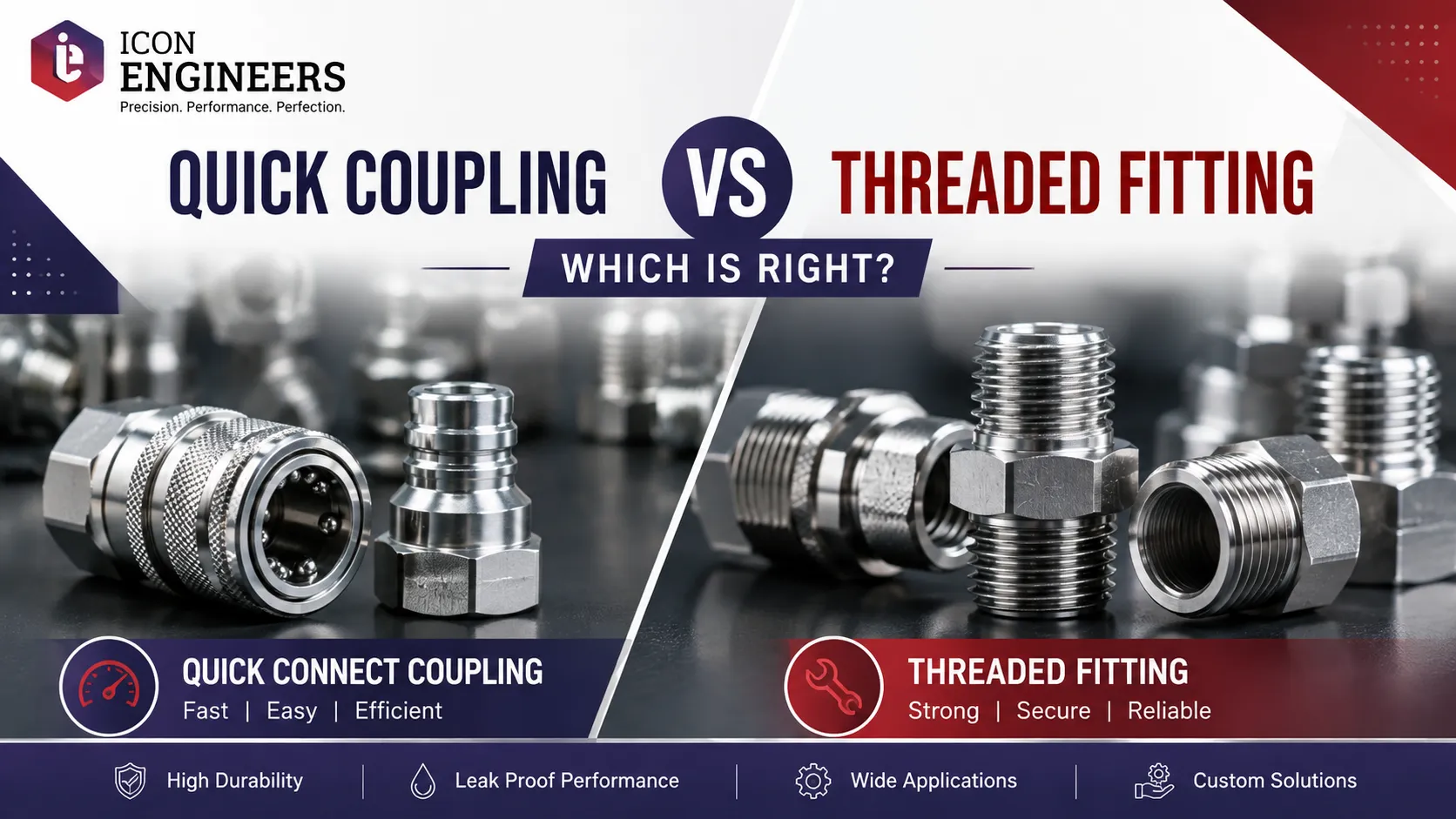
A quick coupling is a mechanical connection designed to connect and disconnect fluid lines quickly. It typically consists of two mating parts that lock together using a suitable mechanism. Depending on the design, the coupling may also incorporate valves that automatically control fluid flow when the connection is separated.
A quick coupling can be used in hydraulic, pneumatic, water, oil, fuel, and other fluid-handling applications. Its biggest advantage is convenience. Instead of repeatedly tightening and loosening threaded fittings, an operator can connect or disconnect the line using the coupling mechanism.
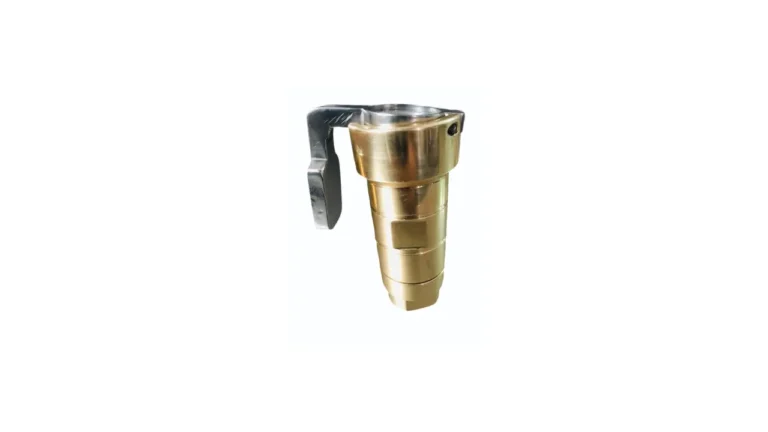
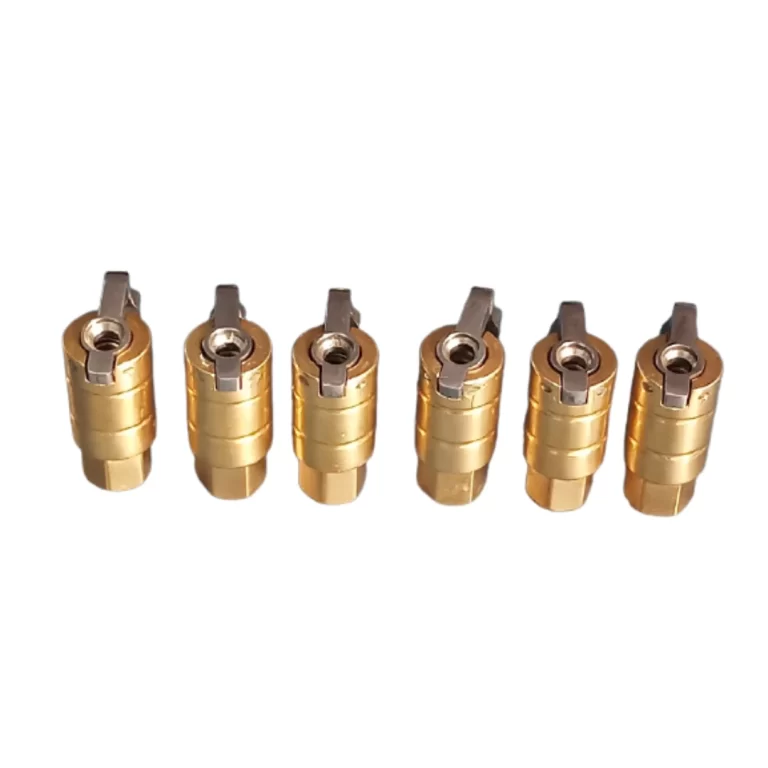
A QRC coupling, or Quick Release Coupling, is one common type used where rapid connection and disconnection are required. Different QRC designs are available depending on pressure, temperature, media, connection size, and application requirements.
Also Read: Common Leak Testing Mistakes and How to Avoid Them
What Is a Threaded Fitting?
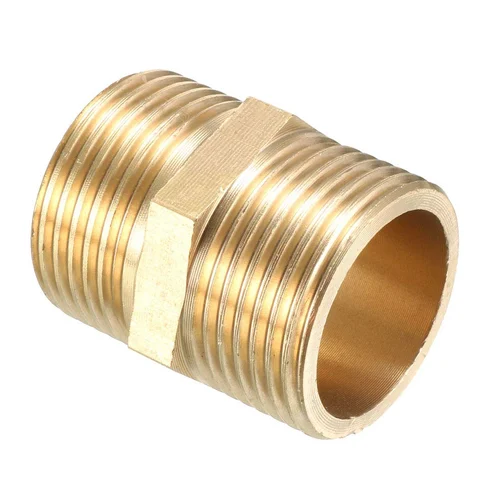
A threaded fitting uses internal and external threads to join two components. The male thread screws into the corresponding female thread, creating a mechanical connection.
Threaded fittings are widely used because they are simple, familiar, and available in many sizes and configurations. Depending on the application, different thread standards and sealing methods can be used.
For permanent or semi-permanent installations where components do not need to be disconnected regularly, threaded fittings can be a practical choice. However, repeated removal and installation can take more time and may eventually affect the threads or sealing surfaces if the connection is not handled correctly.
Quick Coupling vs Threaded Fitting: Main Difference
The biggest difference between these two connection methods is how the connection is made and how frequently it can be disconnected.
A quick coupling is designed around convenience and rapid changeover. The operator can connect or disconnect the line using the coupling mechanism, making it useful for equipment that is frequently changed, serviced, or moved.
A threaded fitting creates a screwed connection that generally takes more time to install or remove. It is better suited to applications where the connection remains in place for extended periods.
This does not mean that one system is universally better than the other. The correct choice depends on pressure, application, maintenance frequency, space, operating conditions, and the type of fluid or gas being handled.
Installation and Maintenance
Installation time is one of the strongest advantages of a quick connect coupling. When hoses or equipment need to be disconnected regularly, a quick coupling can significantly simplify the process.
For example, imagine a testing machine where multiple hoses need to be connected and disconnected throughout the working day. Using threaded fittings would require repeated tightening and loosening. A suitable quick coupling can make these changeovers considerably faster.
Threaded fittings generally require more attention during installation because the threads need to be properly aligned and tightened. Depending on the thread design, an appropriate sealing method may also be required.
For permanent piping systems, this additional installation effort may not be a major concern. But in applications involving frequent maintenance or equipment replacement, the convenience of a quick coupling can become much more valuable.
Leakage Considerations
Leak prevention is an important factor in any connection system. Both quick couplings and threaded fittings can provide reliable sealing when correctly selected, installed, and maintained.
Quick couplings generally use internal sealing elements designed specifically for the coupling mechanism. The condition of these seals is important because damaged or worn seals can lead to leakage.
Threaded fittings depend on the quality of the threaded connection and the sealing method used. Improper tightening, damaged threads, incorrect thread compatibility, or unsuitable sealing material can increase the possibility of leakage.
Therefore, the connection type alone does not determine reliability. Proper sizing, material selection, installation, pressure rating, and regular inspection are equally important.
Pressure and Temperature Requirements
Before selecting either a quick coupling or threaded fitting, always consider the operating pressure and temperature of the application.
Quick couplings are available in different pressure classes, but not every coupling is suitable for high-pressure service. The coupling must be selected according to the manufacturer’s rated working pressure and the actual operating conditions.
Threaded fittings are also available for different pressure and temperature ranges. However, the performance of a threaded connection depends on the fitting material, thread type, sealing arrangement, and installation quality.
For hydraulic applications, for example, a coupling should be selected specifically for the pressure and hydraulic fluid being used rather than choosing a general-purpose connector.
Where Is a Quick Connect Coupling More Useful?
A quick connect coupling is particularly useful when a connection needs to be opened and closed frequently. Common applications include hydraulic equipment, pneumatic systems, testing machines, portable equipment, service tools, manufacturing machinery, and fluid transfer systems.
They can also be useful where equipment needs to be moved or replaced regularly. Instead of removing an entire fitting assembly, the operator can disconnect the coupling and reconnect the replacement equipment.
In industrial environments, this can help reduce equipment downtime and make routine maintenance more convenient.
Where Are Threaded Fittings More Suitable?
Threaded fittings can be appropriate for fixed piping arrangements where frequent disconnection is not required. They are commonly used in plumbing, industrial piping, instrumentation, compressed-air systems, and various mechanical installations.
If a connection is expected to remain untouched for a long period, the quick-disconnect feature of a coupling may not provide enough benefit to justify its use.
Threaded fittings can also be useful when a wide selection of shapes, sizes, and connection configurations is required. Their availability across many industries makes them a familiar choice for engineers and maintenance teams.
QRC Coupling for Industrial Applications
A QRC coupling can be a practical solution for applications where rapid release and reconnection are important. These couplings can be manufactured in different configurations depending on the media, pressure, temperature, connection size, and equipment requirements.
For industrial users, selecting a QRC coupling should involve more than simply matching the pipe size. The working pressure, flow requirements, material compatibility, sealing material, operating temperature, connection mechanism, and frequency of use should all be considered.
The correct coupling can make equipment changeovers easier while helping operators save time during maintenance and servicing.
Factors to Consider Before Choosing
The right connection should be selected based on the actual application rather than price alone. Consider the following factors before making a decision:
- How frequently will the connection be disconnected?
- What is the operating pressure?
- What type of fluid or gas will pass through the connection?
- What operating temperature will the fitting experience?
- Is automatic shut-off required when disconnected?
- How much installation space is available?
- How frequently will maintenance be performed?
- Is the connection intended to be permanent or temporary?
- What material is compatible with the application?
If the line needs frequent connection and disconnection, a quick coupling is generally worth considering. If the connection is intended to remain fixed for long periods, a threaded fitting may be more practical.
Which One Should You Choose?
There is no universal winner between quick coupling and threaded fitting. The right choice depends on how the equipment will be used.
Choose a quick coupling when fast connection, frequent maintenance, portability, and reduced changeover time are important. A suitable QRC design can make repeated equipment connections much more convenient.
Choose a threaded fitting when the connection is primarily permanent or semi-permanent and frequent disconnection is not necessary. Threaded systems remain a reliable and widely used option for fixed installations.
For demanding industrial applications, the best approach is to evaluate the complete operating environment before selecting the connection type.
Why Choose Icon-Engineers?
Icon-Engineers focuses on providing reliable industrial coupling and connection solutions designed around practical application requirements. The correct coupling depends on factors such as operating pressure, media, temperature, connection size, equipment configuration, and frequency of use.
Whether your application requires a quick connect coupling, QRC coupling, or another industrial connection solution, discussing the actual operating requirements with an experienced manufacturer can help you select the appropriate configuration.
A properly selected connection system can make equipment easier to maintain, improve operational convenience, and reduce unnecessary downtime. For businesses that regularly change hoses, testing equipment, hydraulic components, or other connected machinery, choosing the right coupling can make a significant difference in day-to-day operations.