In today’s competitive manufacturing industry, product quality and reliability are more important than ever. Whether you’re producing automotive components, HVAC equipment, medical devices, electrical enclosures, or industrial valves, even the smallest leak can lead to product failure, customer complaints, safety risks, and expensive recalls. This is why leak testing has become a critical part of modern quality control.
However, simply performing a leak test isn’t enough. Incorrect testing methods, poor equipment calibration, or operator errors can produce inaccurate results, leading to false passes or false failures. Understanding the most common leak testing mistakes and knowing how to avoid them can significantly improve testing accuracy, reduce production costs, and enhance customer satisfaction.
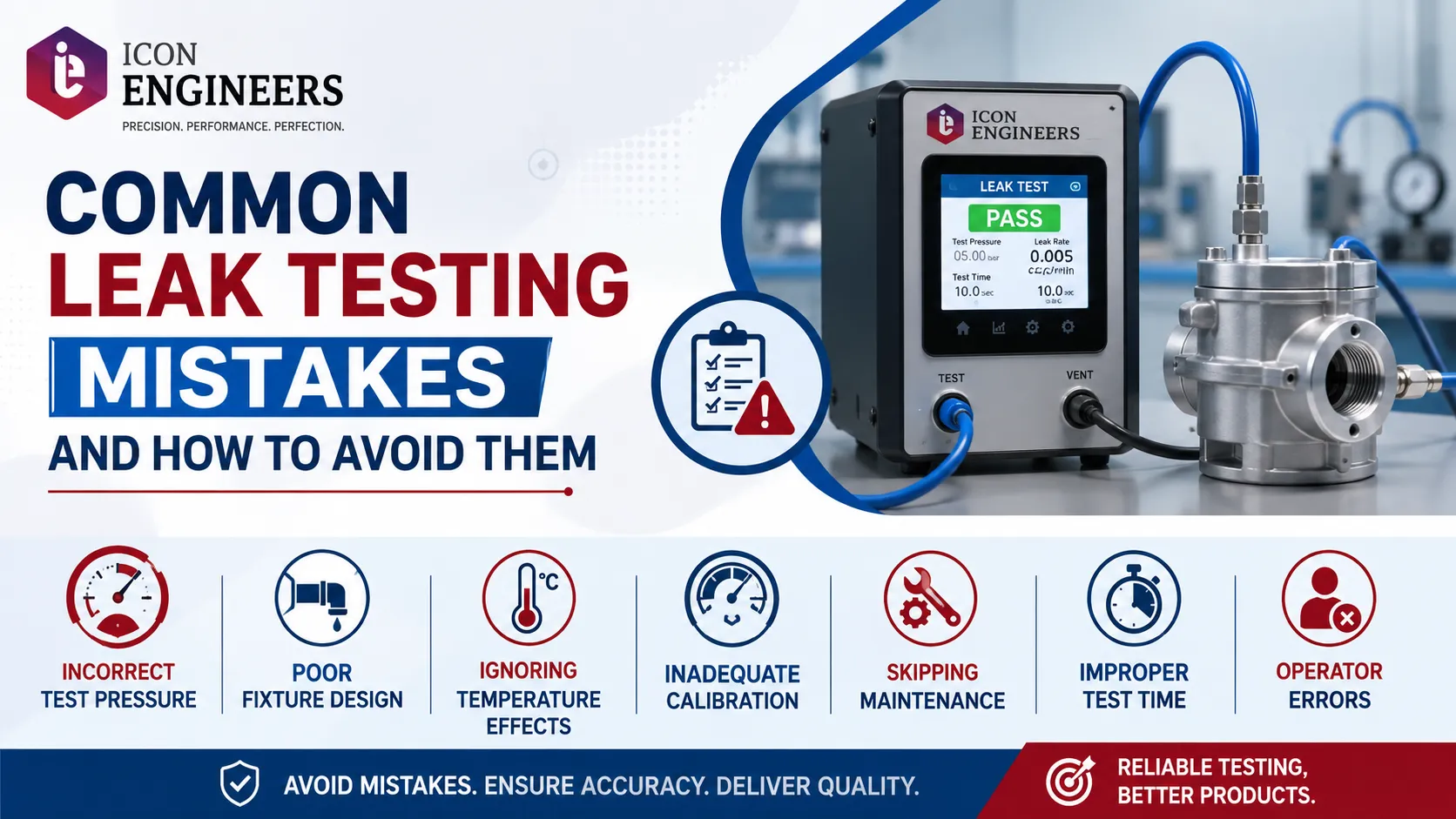
In this blog, we’ll explore the most frequent Common Leak Testing Mistakes and How to Avoid Them, along with practical tips to help manufacturers achieve consistent and reliable leak testing results.
Also Read: Air Leak Testing vs Water Leak Testing: Complete Comparison
Why Leak Testing Is Essential
Leak testing verifies that a product is properly sealed and performs as intended. It helps manufacturers identify defects before products reach customers, ensuring compliance with industry standards and improving overall product quality.
Industries that rely heavily on leak testing include:
- Automotive
- HVAC & Refrigeration
- Medical Devices
- Electronics
- Packaging
- Aerospace
- Industrial Equipment
- Fluid Handling Systems
When leak testing is performed correctly, it minimizes product failures, reduces warranty claims, and strengthens brand reputation.
Common Mistakes of Leak Testing and How to Avoid Them
1. Choosing the Wrong Leak Testing Method
One of the biggest mistakes manufacturers make is selecting a testing method that doesn’t match the product or application. For example, using a simple water leak test for high-precision automotive components may fail to detect micro leaks, while advanced air leak testing may be unnecessary for basic applications.
How to Avoid It
Choose the testing method based on:
- Product type
- Required leak rate
- Industry standards
- Production volume
- Testing accuracy requirements
Consult experienced leak testing experts before selecting a system.
2. Incorrect Test Pressure
Applying excessive or insufficient test pressure can produce inaccurate results. Very high pressure may damage sensitive components, while low pressure may fail to reveal existing leaks.
How to Avoid It
- Follow product specifications.
- Use recommended testing pressure.
- Validate pressure settings regularly.
- Maintain consistent pressure throughout the test cycle.
3. Poor Fixture Design
Even the best leak tester cannot produce reliable results if the test fixture leaks. Improper sealing between the product and fixture often causes false leak indications.
How to Avoid It
- Use high-quality sealing materials.
- Design fixtures specifically for each component.
- Inspect seals regularly.
- Replace worn-out gaskets and O-rings.
4. Ignoring Temperature Effects
Temperature changes significantly affect air pressure during leak testing.
Testing immediately after machining, welding, or molding may result in unstable readings because the component hasn’t reached a stable temperature.
How to Avoid It
- Allow components to stabilize before testing.
- Maintain a controlled testing environment.
- Use temperature compensation if required.
5. Inadequate Equipment Calibration
Leak testing equipment gradually loses calibration over time. An uncalibrated system can generate unreliable results without operators realizing it.
How to Avoid It
- Schedule regular calibration.
- Follow manufacturer recommendations.
- Use certified calibration standards.
- Keep calibration records for quality audits.
6. Skipping Routine Maintenance
Dust, moisture, damaged hoses, clogged filters, and worn seals reduce testing accuracy.
Ignoring preventive maintenance often leads to unexpected downtime and inconsistent performance.
How to Avoid It
- Inspect equipment regularly.
- Replace worn components promptly.
- Clean filters and air lines.
- Follow preventive maintenance schedules.
7. Improper Test Time
Many manufacturers reduce testing time to increase production speed. Unfortunately, shorter test cycles may not allow sufficient time for pressure stabilization or leak detection.
How to Avoid It
Optimize:
- Fill time
- Stabilization time
- Test duration
- Vent time
Balance production speed with testing accuracy.
8. Operator Errors
Even automated systems require trained personnel. Incorrect parameter settings, poor fixture loading, or improper handling can lead to inconsistent results.
How to Avoid It
- Train operators regularly.
- Develop standard operating procedures (SOPs).
- Use user-friendly interfaces.
- Limit access to critical system settings.
9. Ignoring Environmental Conditions
Dust, humidity, vibration, and unstable compressed air supply can negatively impact testing accuracy.
How to Avoid It
Maintain:
- Clean testing areas
- Stable air pressure
- Proper humidity levels
- Vibration-free workstations
10. Not Validating Leak Standards
Every product requires a defined acceptable leak rate. Testing without clear acceptance criteria often creates confusion between acceptable and defective products.
How to Avoid It
- Define leak limits during product development.
- Validate testing methods.
- Follow ISO and customer specifications.
- Document testing standards.
Best Practices for Reliable Leak Testing
Manufacturers can improve testing accuracy by following these best practices:
Select the Right Leak Testing Technology
Choose the most suitable technology based on product design, required accuracy, and production speed.
Standardize Testing Procedures
Develop documented procedures for fixture setup, pressure settings, calibration, maintenance, and operator training.
Use High-Quality Equipment
Investing in reliable leak testing systems reduces false failures and long-term maintenance costs.
Monitor Test Data
Modern leak testing systems provide digital reports, traceability, and real-time monitoring for better quality control.
Perform Preventive Maintenance
Routine inspections and scheduled servicing help maintain consistent testing performance.
Benefits of Avoiding Leak Testing Mistakes
Correct leak testing practices provide several long-term benefits:
- Improved product quality
- Higher testing accuracy
- Reduced production downtime
- Lower warranty claims
- Increased customer satisfaction
- Better regulatory compliance
- Reduced manufacturing costs
- Faster production cycles
- Consistent product reliability
- Improved brand reputation
Modern Leak Testing Technologies
Today’s leak testing systems are far more advanced than traditional methods.
Modern solutions include:
- Air Leak Testing
- Differential Pressure Testing
- Flow Testing
- Mass Flow Testing
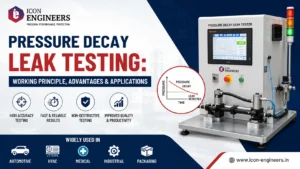
- Pressure Decay Testing
- Vacuum Leak Testing
- Automated Leak Testing Systems
These technologies offer greater precision, repeatability, and seamless integration with automated production lines.
Why Choose Icon Engineers?
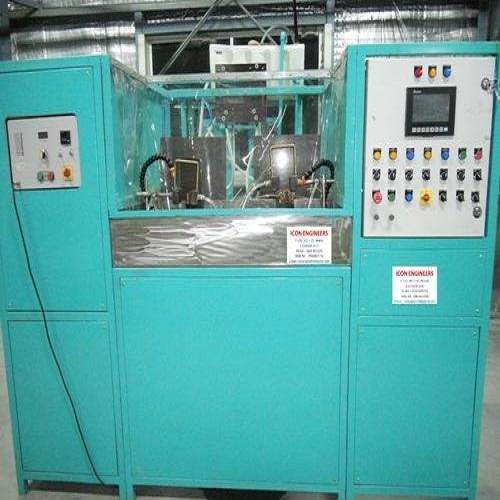
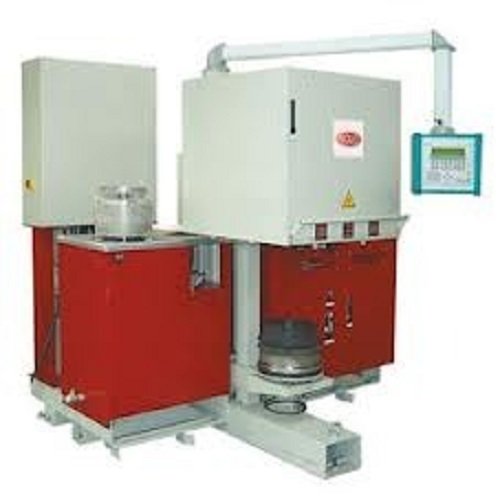
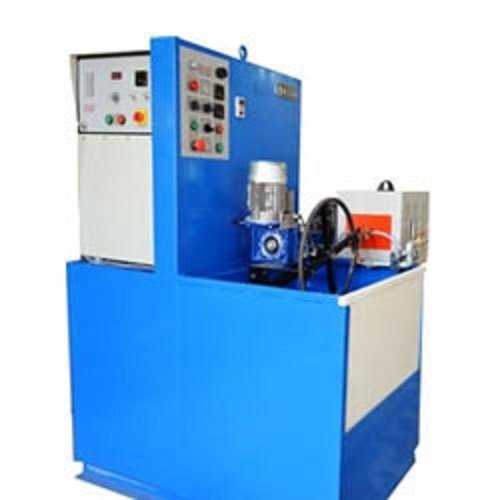
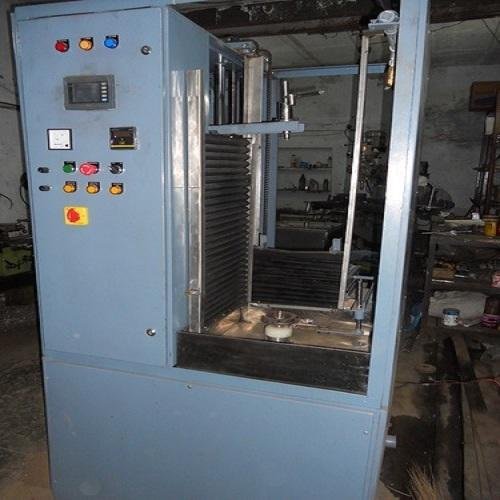
When precision and reliability matter, choosing the right leak testing partner makes all the difference. Icon Engineers is a trusted manufacturer of advanced leak testing systems designed to meet the demanding requirements of modern industries. Our solutions help manufacturers improve product quality, reduce production errors, and achieve consistent testing accuracy.
Our leak testing solutions offer:
- High-precision leak detection
- Advanced pressure decay technology
- Fast testing cycles
- PLC and automation compatibility
- User-friendly operation
- Customized testing solutions
- Reliable performance
- Low maintenance requirements
- Digital reporting and data logging
- Dedicated after-sales support
Whether you manufacture automotive components, valves, medical devices, HVAC products, or industrial equipment, Icon Engineers delivers leak testing systems that enhance quality and improve production efficiency.
Conclusion
Understanding Common Leak Testing Mistakes and How to Avoid Them is essential for achieving accurate, repeatable, and reliable quality control. From selecting the right testing method and maintaining proper calibration to optimizing test pressure and operator training, every step plays a crucial role in preventing costly production errors.
By adopting best practices and investing in advanced leak testing technology, manufacturers can reduce defects, improve operational efficiency, and deliver products that meet the highest quality standards. Partnering with Icon Engineers ensures access to innovative leak testing solutions that support long-term manufacturing success and customer satisfaction.
Frequently Asked Questions (FAQs)
1. What is the most common mistake in leak testing?
Choosing the wrong testing method and using incorrect test pressure are among the most common mistakes that affect leak detection accuracy.
2. Why is equipment calibration important in leak testing?
Regular calibration ensures accurate measurements, minimizes false results, and keeps the leak testing system performing according to industry standards.
3. How can manufacturers improve leak testing accuracy?
Manufacturers can improve accuracy by using the correct testing method, maintaining equipment, controlling environmental conditions, and training operators.
4. Which industries require leak testing?
Leak testing is widely used in automotive, HVAC, electronics, medical devices, aerospace, packaging, and industrial manufacturing.
5. Why choose Icon Engineers for leak testing solutions?
Icon Engineers provides advanced, high-precision leak testing systems with customized solutions, automation compatibility, reliable performance, and excellent after-sales support to help manufacturers achieve superior quality control.