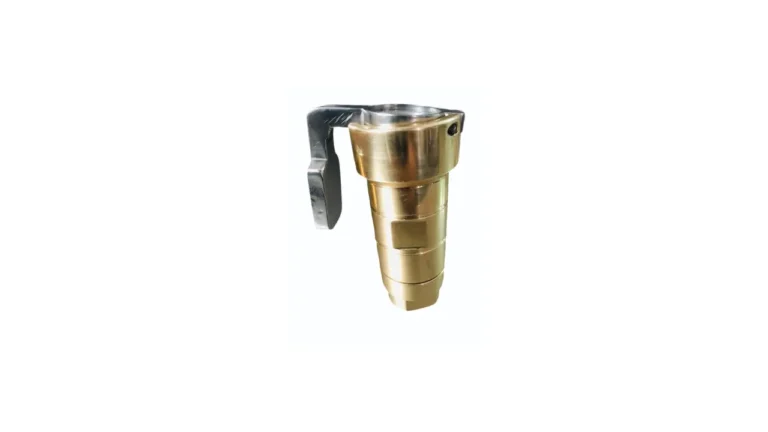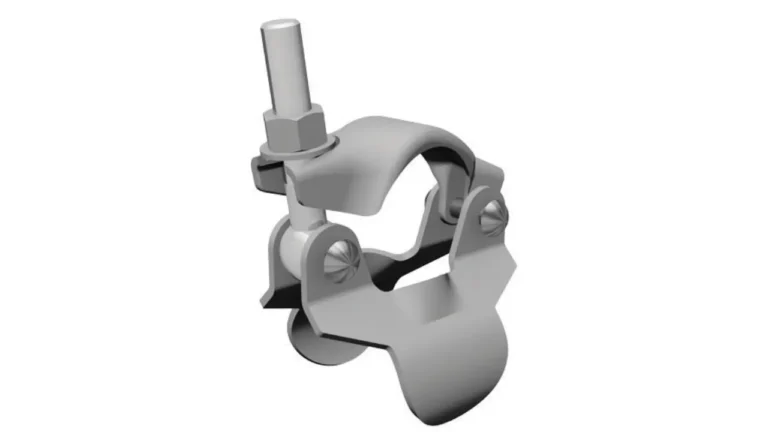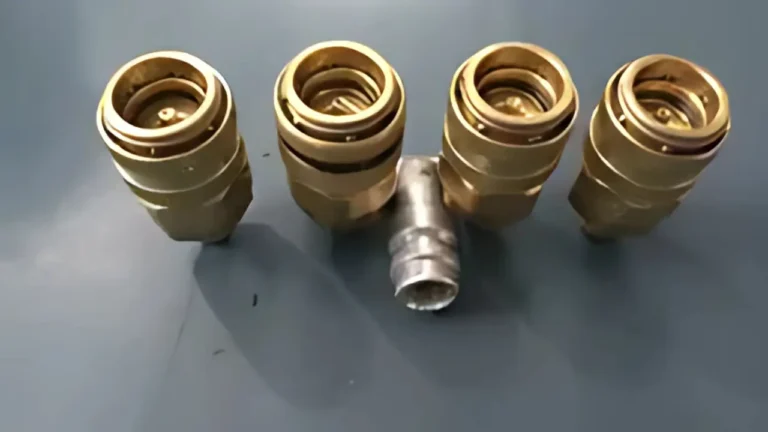
In modern industrial systems, machines and pipelines work together as a single unit. To ensure smooth power transmission, leak-free connections, and safe operation, couplers play a very important role. Whether it is hydraulic systems, pneumatic lines, leak testing machines, or conveyor assemblies, couplers help connect two components efficiently and securely.
This blog explains what is couplers, their working principle, major types, and where they are used in industries.
What Is Couplers?
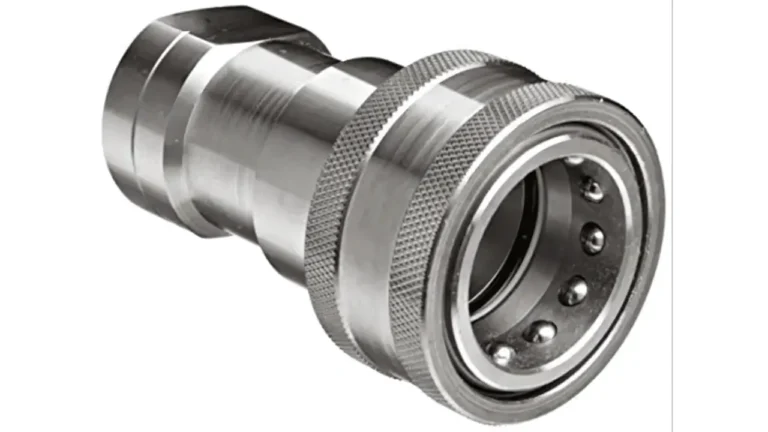
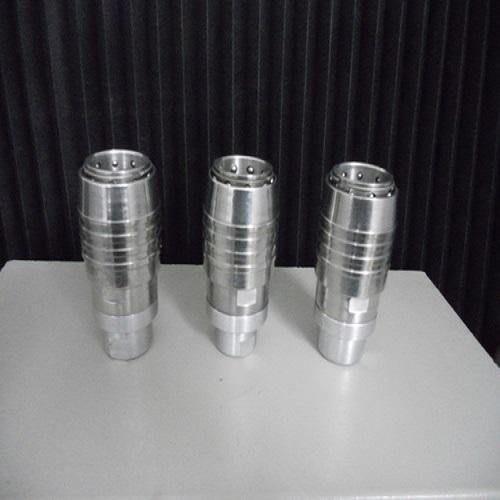
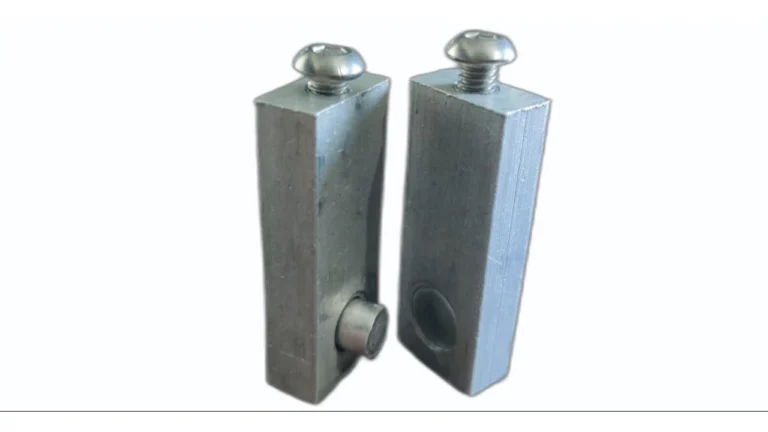
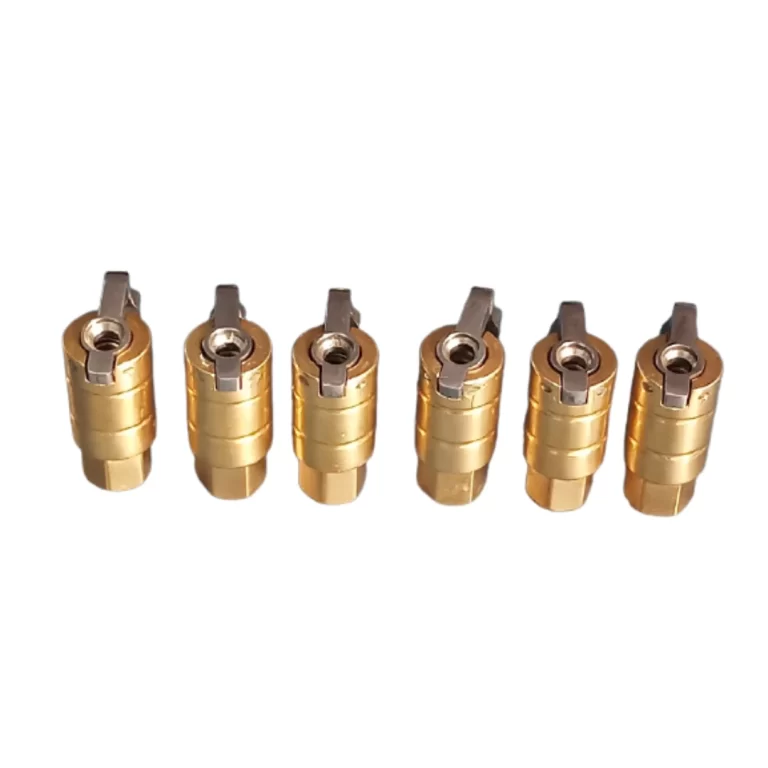
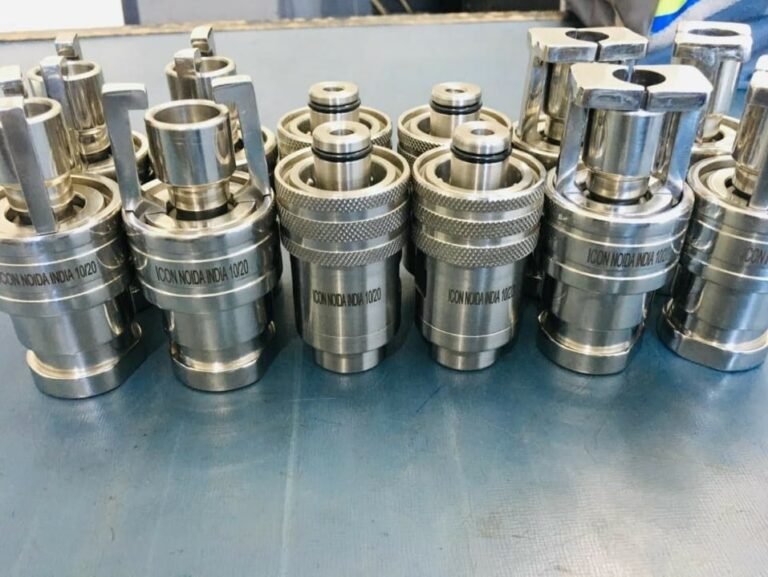
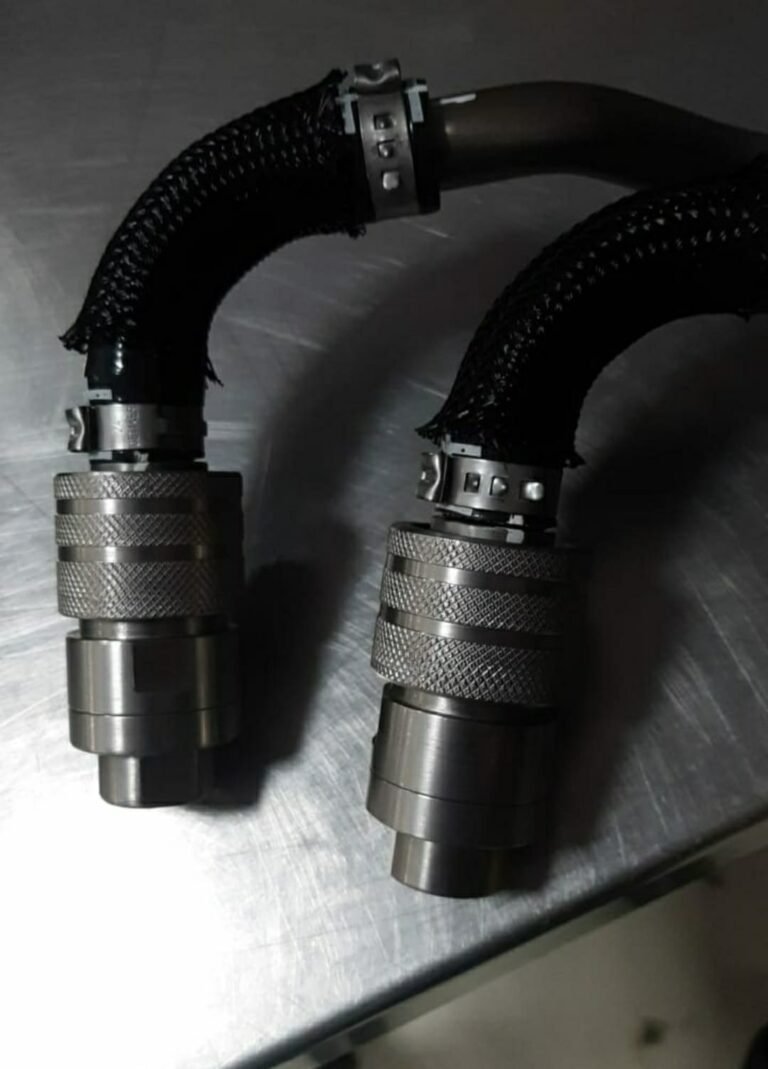
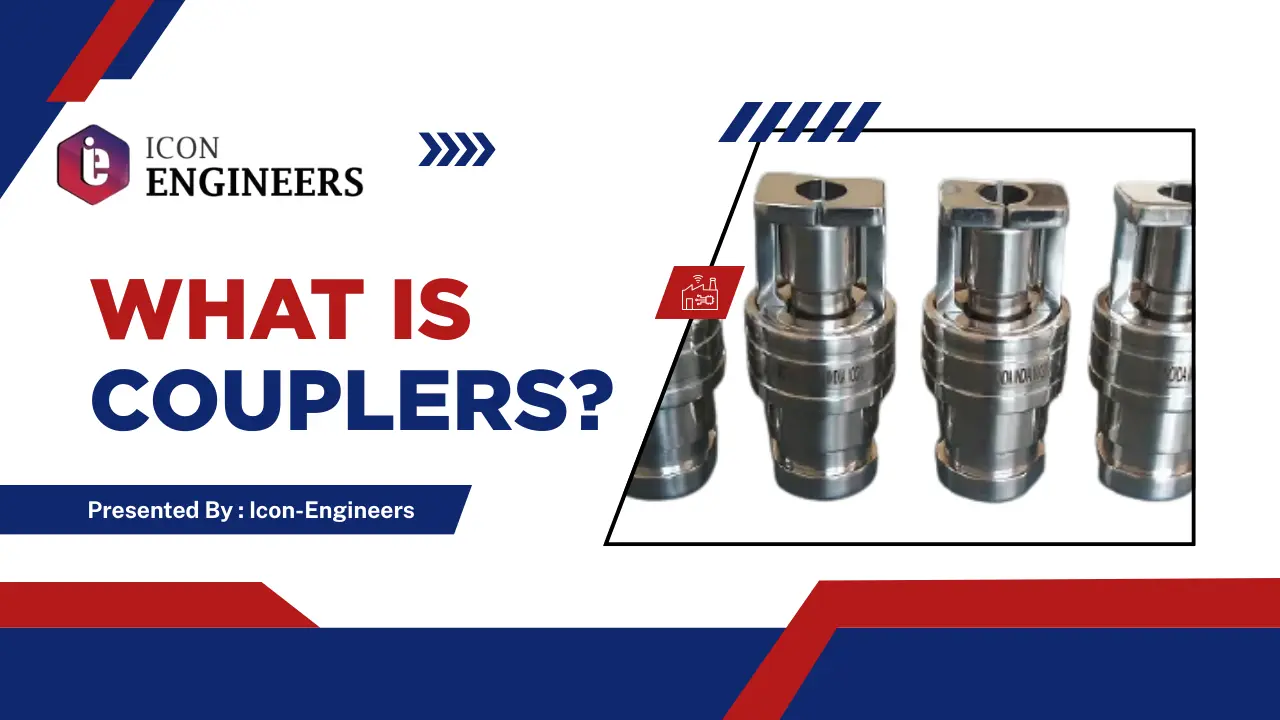
Couplers are mechanical components used to connect two shafts, pipes, hoses, or system parts so that power, fluid, air, or motion can be transmitted safely from one component to another. In simple words, a coupler acts as a connector that allows two separate units to work together smoothly.
Couplers are widely used in hydraulic systems, pneumatic systems, leak testing machines, automotive testing setups, industrial machinery, and assembly lines. They help reduce leakage, absorb misalignment, and improve overall system reliability.
Also Read: Leak Testing Couplers Manufacturers
Why Couplers Are Important in Industrial Systems
Couplers are not just connectors; they improve machine performance and safety. A well-designed coupler ensures stable operation even under high pressure or continuous usage.
Key reasons why couplers are important:
- Provide leak-proof and secure connections
- Allow easy assembly and disassembly
- Reduce wear and tear on connected components
- Improve system efficiency and safety
- Support high pressure and vibration conditions
How Do Couplers Work?
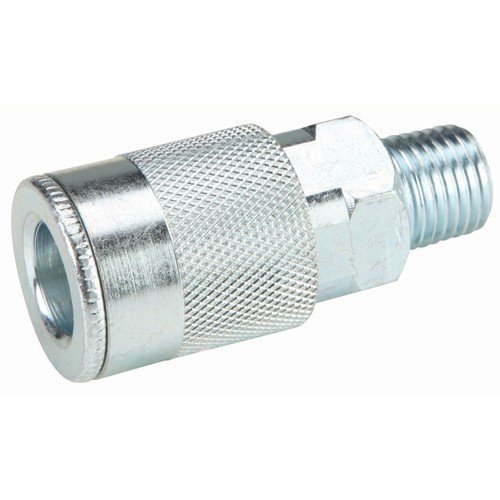
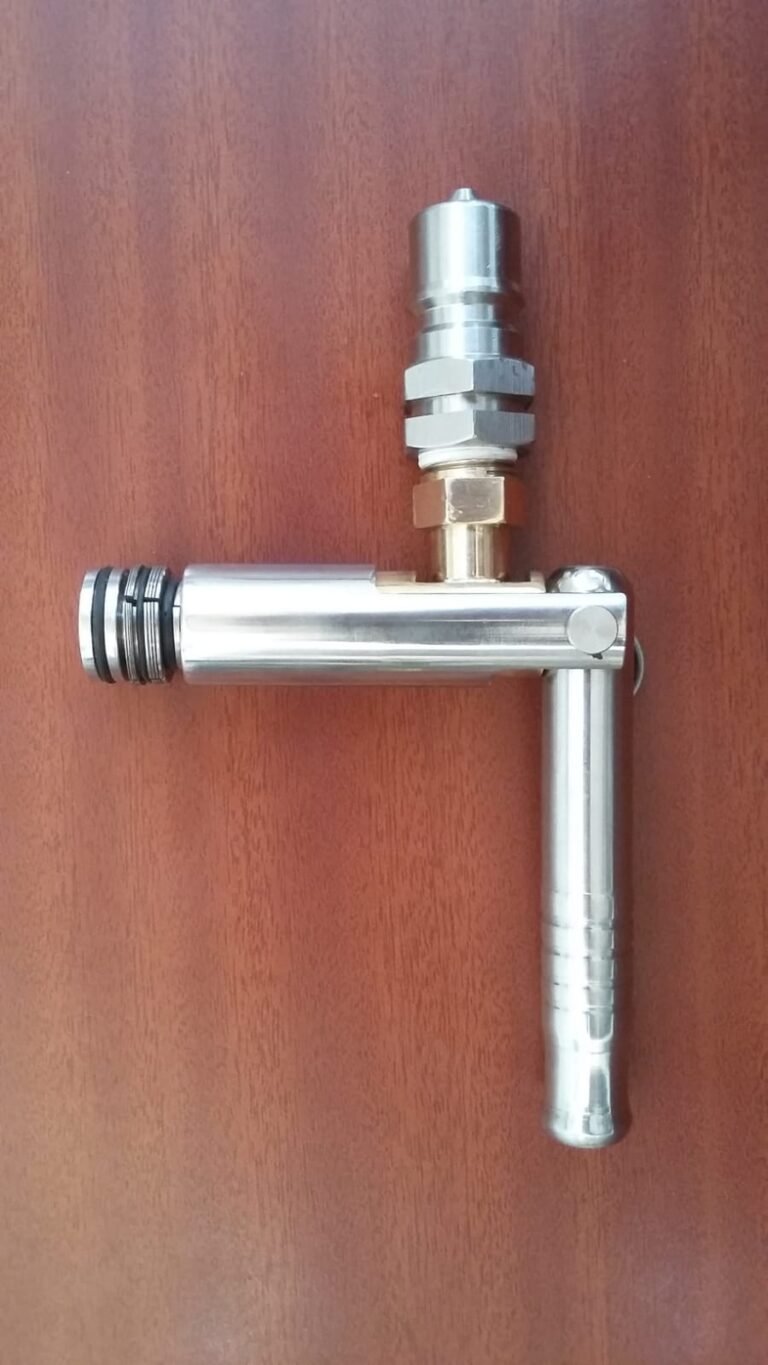
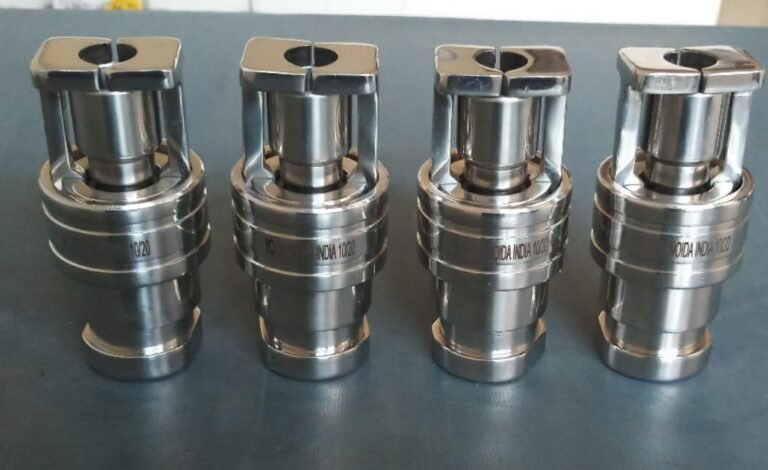
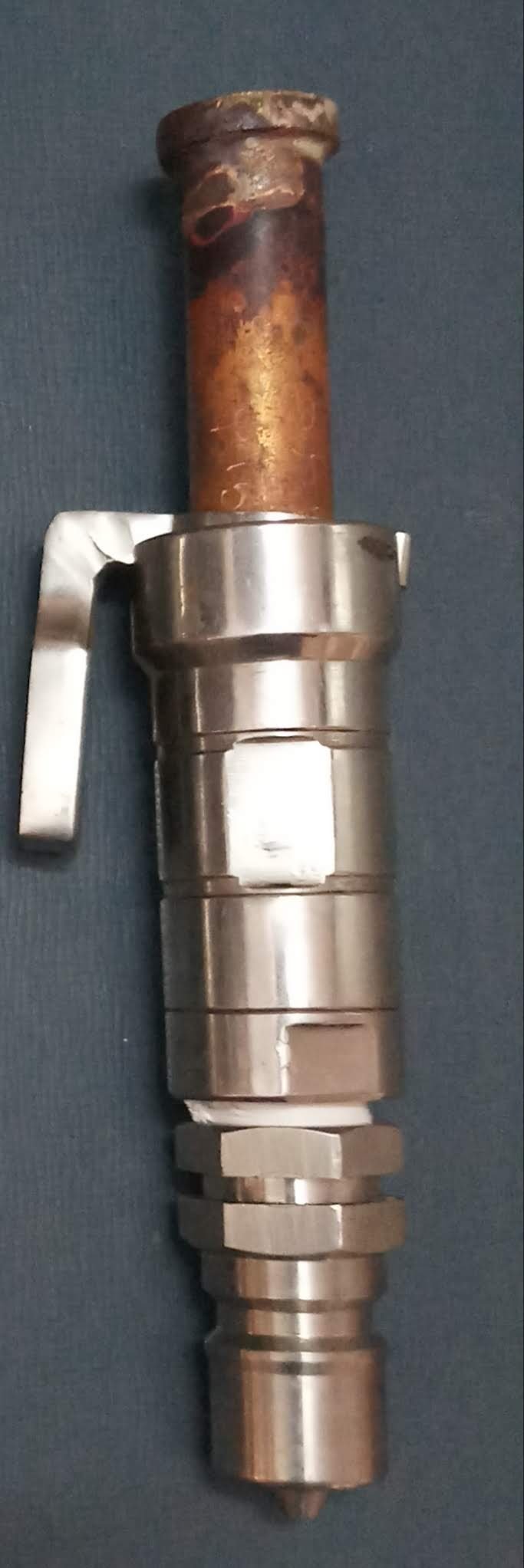
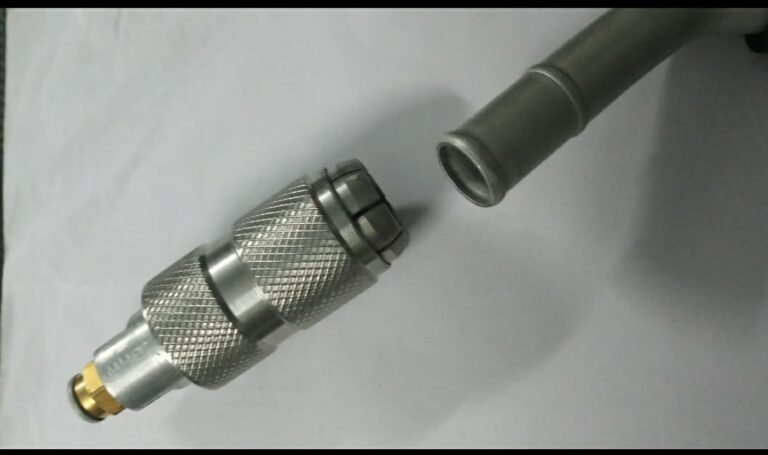
The working principle of couplers depends on their design and application. Most couplers consist of two main parts – a male plug and a female socket. When connected, they lock together firmly, allowing fluid, air, or mechanical power to pass through.
In hydraulic and pneumatic couplers, internal valves open automatically when connected and close when disconnected. This prevents fluid or air leakage and ensures clean operation. In shaft couplers, torque is transmitted while compensating for slight misalignment between shafts.
Types of Couplers
Different industrial applications require different types of couplers. Below are the most commonly used couplers in industrial and engineering systems.
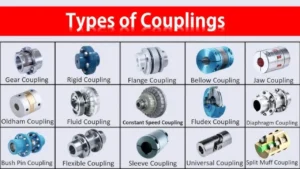
- Rigid Couplers- Rigid couplers are used when two shafts are perfectly aligned. They provide strong torque transmission but do not allow any misalignment. These couplers are commonly used in heavy machinery where alignment accuracy is high.
- Flexible Couplers- Flexible couplers allow slight angular, axial, or parallel misalignment between shafts. They help reduce vibration and shock loads, making them ideal for motors, pumps, and industrial equipment.
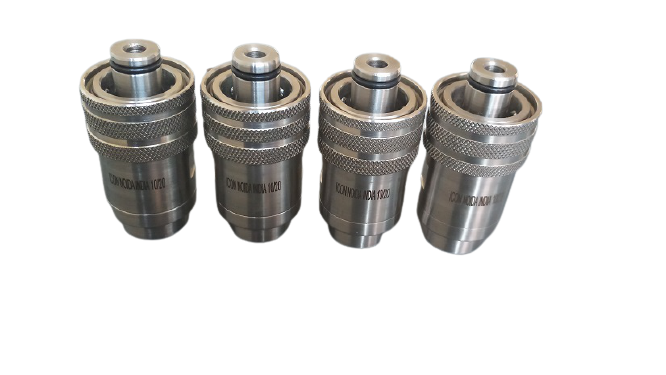
- Hydraulic Couplers- Hydraulic couplers are designed for high-pressure fluid systems. They are widely used in hydraulic testing machines, industrial presses, and heavy equipment. These couplers ensure leak-free fluid transfer even under extreme pressure.
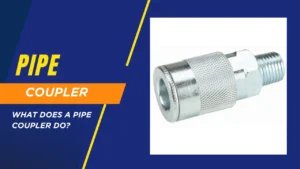
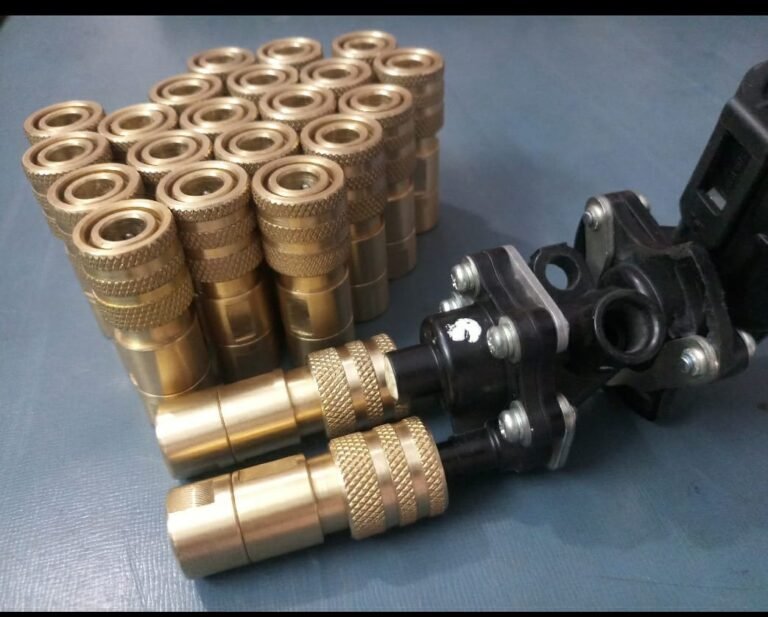
- Pneumatic Couplers- Pneumatic couplers are used in compressed air systems. They allow quick connection and disconnection of air lines and are commonly used in automation systems and industrial tools.
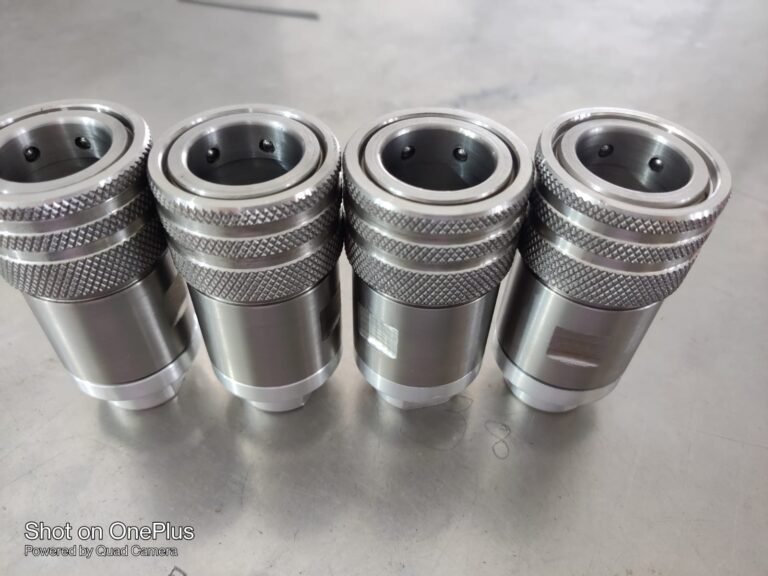
- Quick Release Couplers- Quick release couplers enable fast connection without tools. They save time during maintenance and are widely used in leak testing machines and production lines.
Special Purpose Couplers
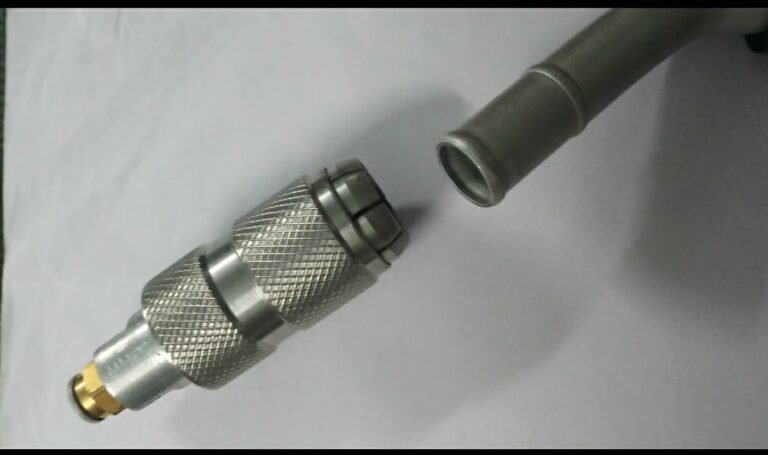
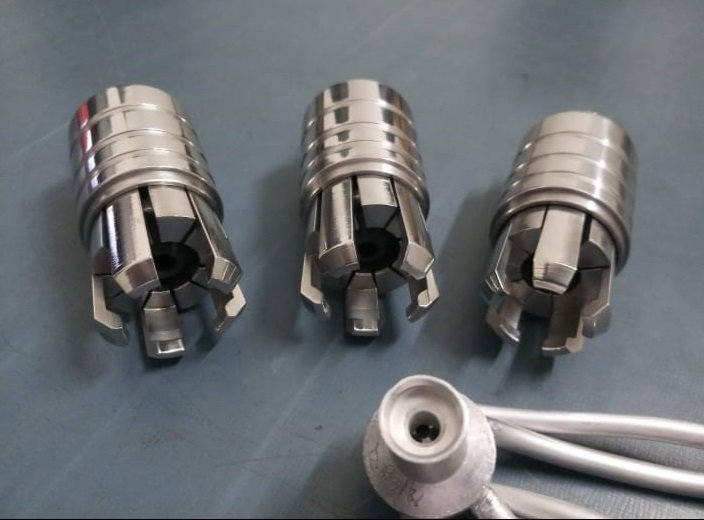
These couplers are designed for specific applications such as leak testing couplers, fuel pipe couplers, radiator testing couplers, and hose pipe testing couplers. They are custom-engineered to match exact testing requirements.
Applications of Couplers in Industries
Couplers are used across multiple industries due to their versatility and reliability.
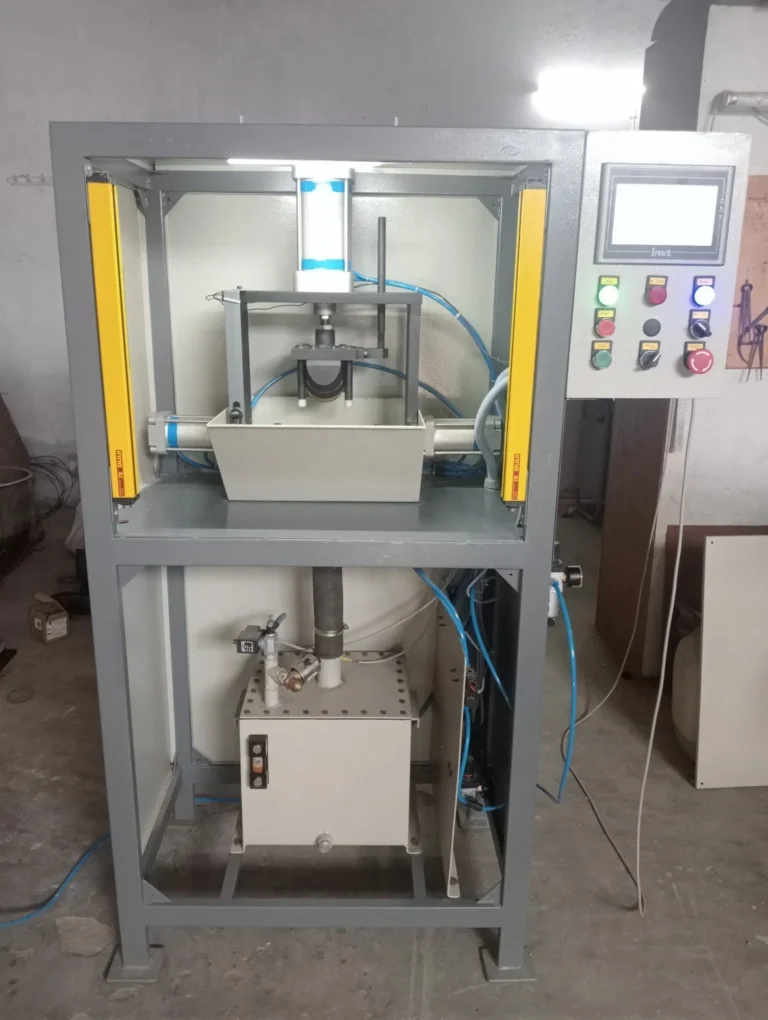
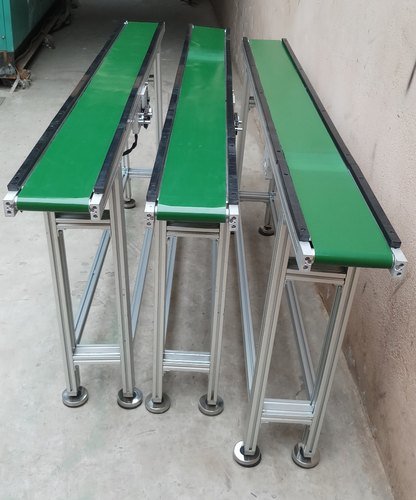
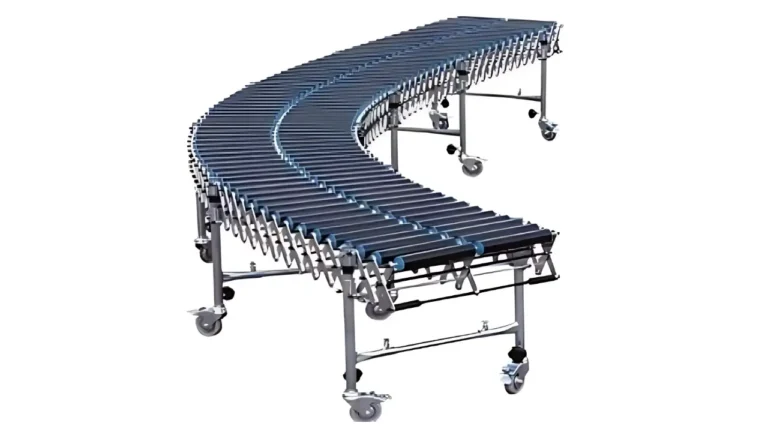
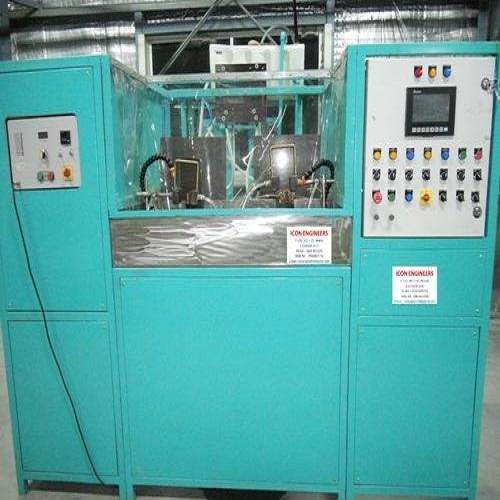
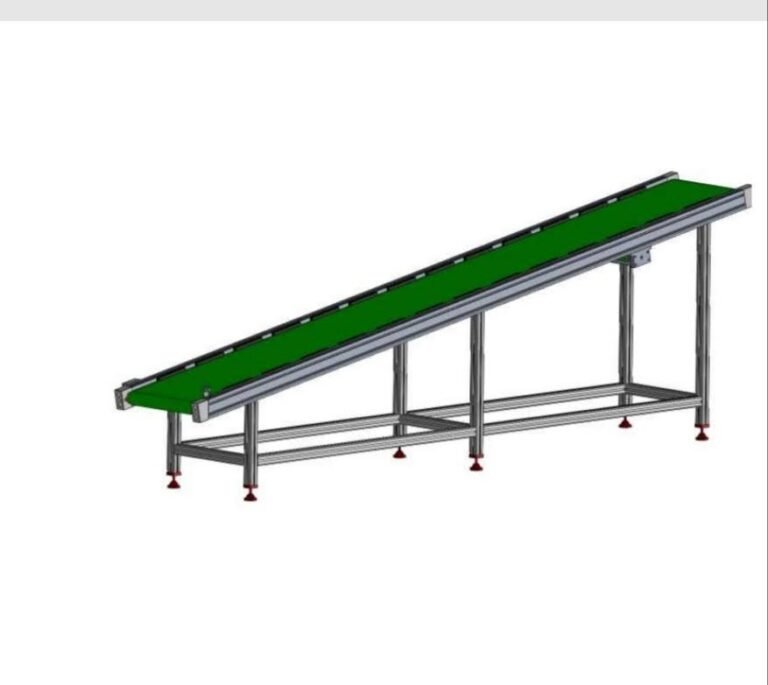
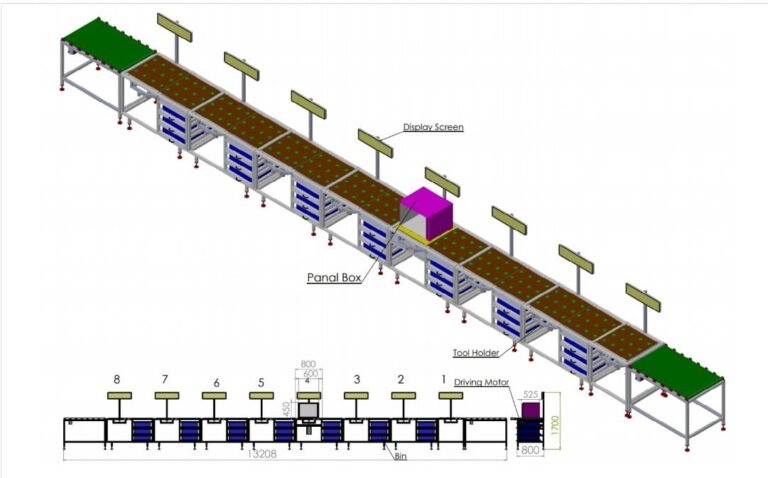
In manufacturing plants, couplers are used in assembly lines, conveyor systems, and automation setups. In automotive industries, they play a major role in leak testing machines, fuel system testing, and radiator testing. In hydraulic and pneumatic systems, couplers help control fluid and air flow efficiently.
Other key application areas include:
- Leak testing machines
- Industrial automation
- Hydraulic presses
- Pneumatic tools
- Power transmission systems
- Oil & gas pipelines
- Chemical and process industries
Advantages of Using High-Quality Couplers
Using good-quality couplers improves system life and reduces maintenance cost. Properly designed couplers ensure long-term performance even in harsh working conditions.
Major advantages include:
- Reduced leakage and downtime
- Easy installation and maintenance
- Improved safety during operation
- High durability and corrosion resistance
- Smooth and efficient system performance
Choosing the Right Couplers for Your Application
Selecting the right coupler depends on several factors such as pressure rating, temperature, fluid type, alignment conditions, and application requirements. For leak testing and industrial machinery, precision-engineered couplers provide better accuracy and long service life.
Always consider:
- Operating pressure and temperature
- Type of media (air, water, oil, fuel)
- Connection size and compatibility
- Frequency of connection and disconnection
- Industry standards and safety requirements
Conclusion
Understanding what is couplers and their applications is essential for designing efficient and reliable industrial systems. Couplers ensure smooth connection, reduce system stress, and improve operational safety across various industries. From simple shaft connections to advanced leak testing applications, couplers play a critical role in modern engineering and manufacturing environments.
Choosing the right type of coupler not only enhances machine performance but also reduces maintenance cost and downtime, making them an indispensable component in industrial operations.
Also Read: Water Leak Detector Machine Price