Piping systems are essential in residential, commercial, and industrial infrastructure. From carrying drinking water to transporting chemicals, oils, gases, and wastewater, pipes play an important role in everyday life. But pipes alone cannot create a functioning system — they must be properly connected. This is where a pipe coupler becomes an essential component.
If you’ve ever wondered what a pipe coupler does, what is a pipe coupling, or what is a coupling in plumbing, this comprehensive guide will give you a complete understanding of pipe coupling systems, their types, materials, and applications.
At Icon-Engineers, we believe that knowledge about pipe fittings helps professionals choose the right components for long-lasting and efficient systems.
What is a Pipe Coupling?
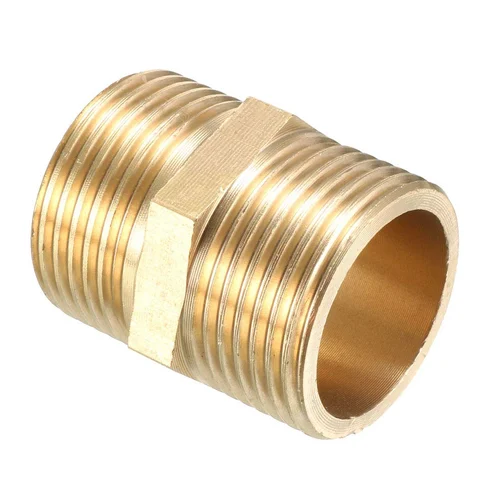
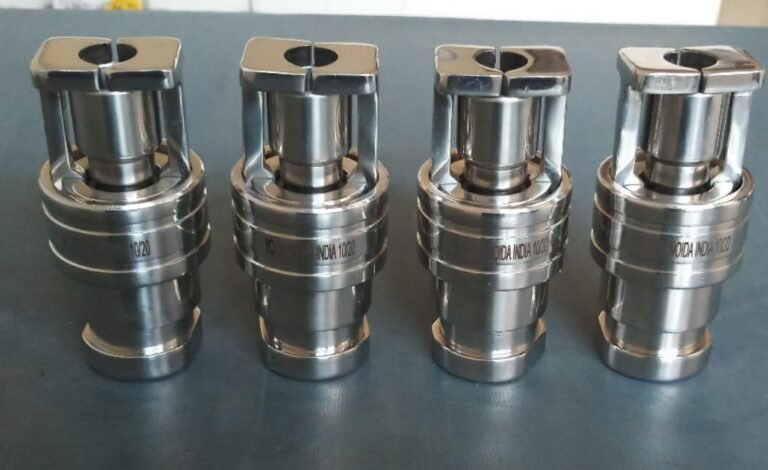
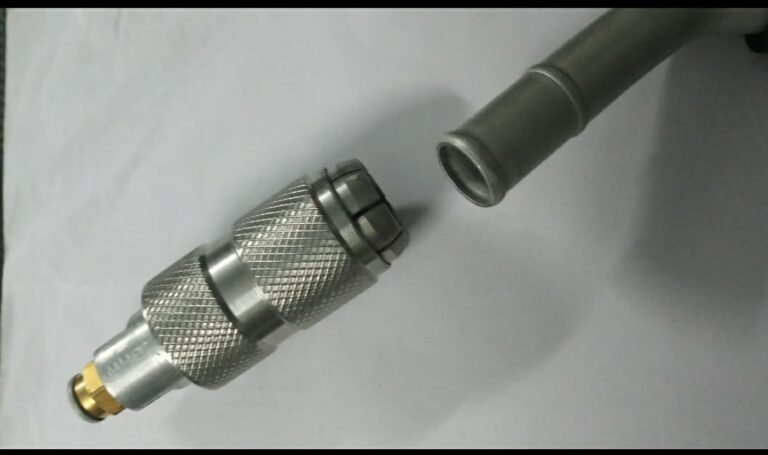
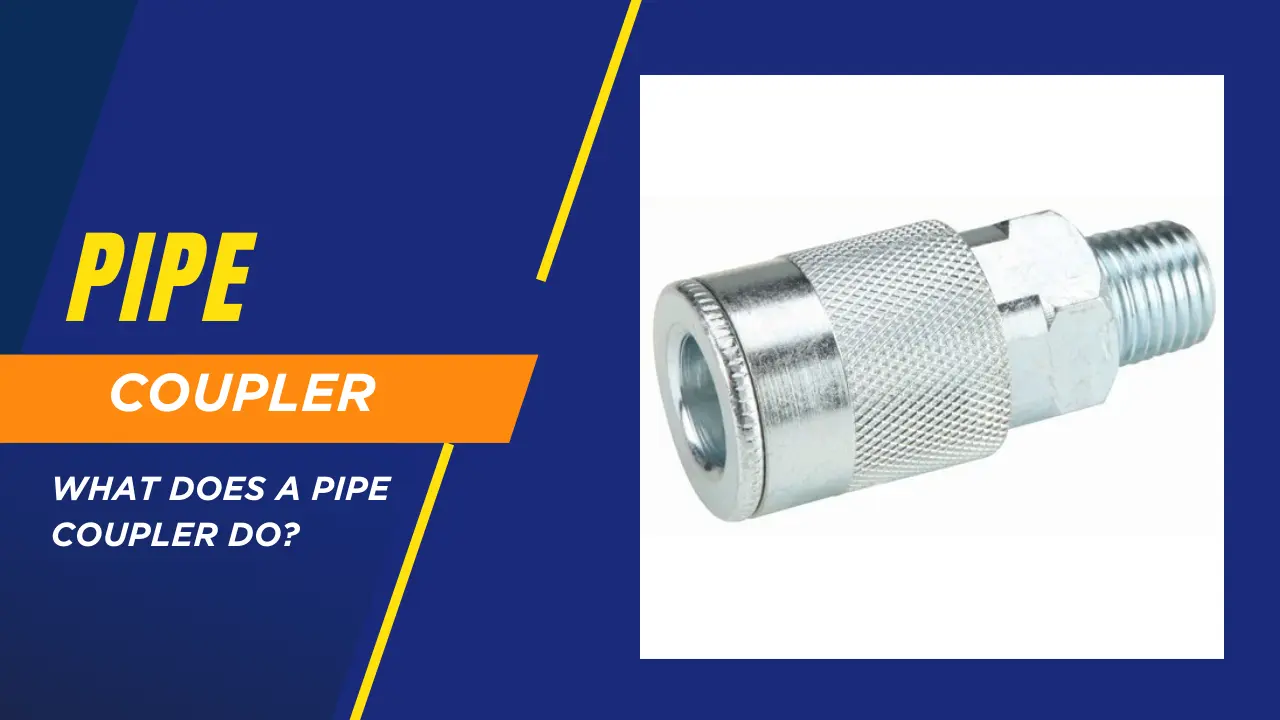
A pipe coupling is a short length of pipe fitting used to connect two pipes together. It ensures a secure, leak-proof joint so that fluids or gases can flow smoothly without interruption. In simple terms, it acts as a bridge between two pipe sections.
In plumbing terminology, what is a coupling in plumbing refers to a fitting used to join two pipes of the same diameter or sometimes different diameters (with reducing couplings). A coupling pipe fitting is one of the most commonly used fittings in both small-scale plumbing and large industrial projects.
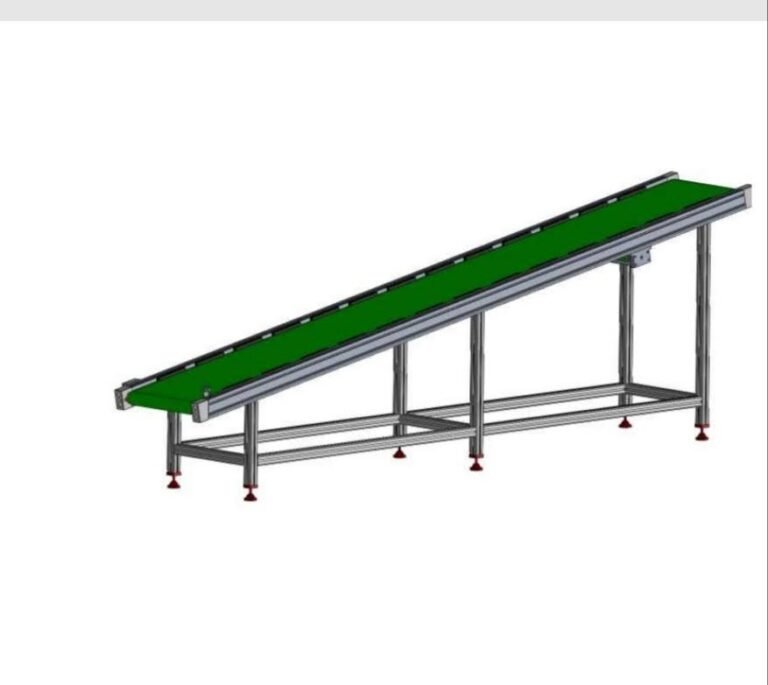
Also Read: Belt Conveyors: Types, Components and Applications
What Does a Pipe Coupler Do?
The primary function of a pipe coupler is to connect two pipe ends securely. However, its role extends far beyond just joining pipes.
Here’s what a pipe coupler does in practical applications:
- Connects Pipe Sections- It joins two pipes to create a continuous flow path.
- Repairs Damaged Pipes- Slip couplings can fix broken or leaking pipes without replacing the entire line.
- Extends Pipeline Length- Couplings allow additional pipes to be added to expand a system.
- Maintains Leak-Proof Sealing- Properly installed pipe coupling prevents leakage and pressure loss.
- Supports System Integrity- It ensures structural alignment and strength within the pipeline.
Without a properly selected pipe coupling, pipelines may suffer from leakage, misalignment, or pressure drops.
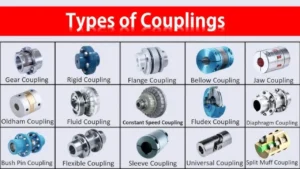
Types of Pipe Couplers
Different applications require different types of couplers. Let’s explore the major types used in plumbing and industry.
- Rigid Pipe Coupling- Rigid couplings provide a fixed and strong connection. They are commonly used in systems where pipe movement is minimal.
- Flexible Pipe Coupling- Flexible couplings allow slight movement, vibration, and expansion. These are ideal for drainage systems and areas exposed to temperature changes.
- Slip Coupling- Slip couplings are mainly used for repair work. They slide over existing pipes, making them highly practical for maintenance.
- Reducing Coupling- This type connects two pipes of different diameters while maintaining smooth fluid flow.
Each type of coupling pipe fitting serves a specific purpose depending on pressure, temperature, and environmental conditions.
Materials Used in Pipe Couplings
The effectiveness of a pipe coupler largely depends on the material used. Different materials are selected based on durability, corrosion resistance, and application type.
PVC Coupler- A PVC coupler is lightweight, affordable, and corrosion-resistant. It is commonly used with PVC pipe connectors in residential plumbing, irrigation systems, and drainage networks.
Advantages of PVC pipe connectors:
- Rust-resistant
- Easy to install
- Low maintenance
- Cost-effective
PVC couplings are widely preferred for water distribution and non-pressurized systems.
Copper Pipe Connectors
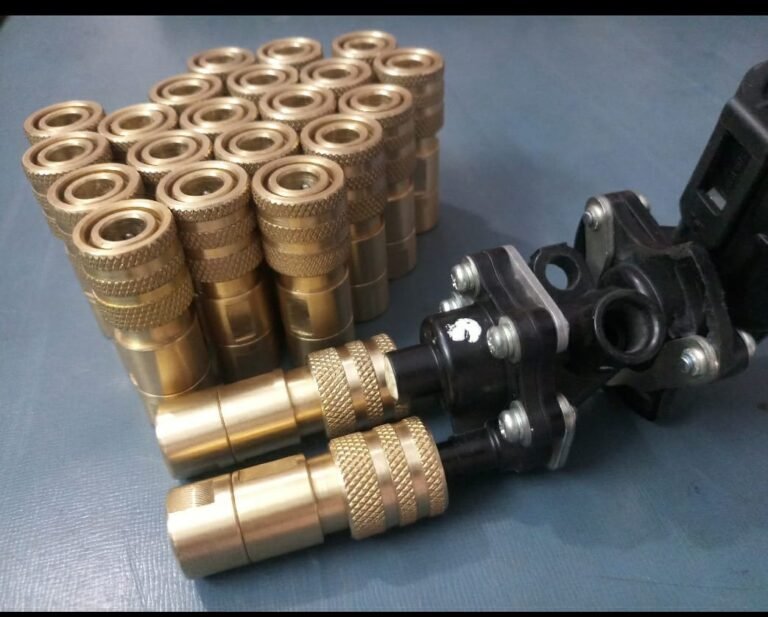
Copper pipe connectors are popular in hot and cold water plumbing systems. Copper offers excellent durability, heat resistance, and long service life.
They are commonly used in:
- Residential water supply
- Commercial plumbing
- HVAC systems
Copper couplings provide strong, long-lasting connections with excellent reliability.
Metal Pipe Couplings
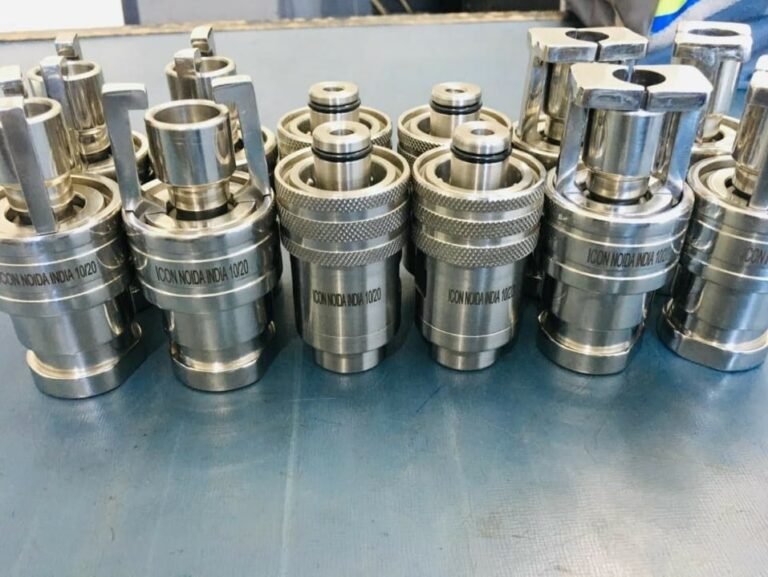
Steel and stainless steel couplings are used in industrial environments where high pressure and temperature resistance are required.
Applications include:
- Oil and gas pipelines
- Chemical processing plants
- Heavy manufacturing units
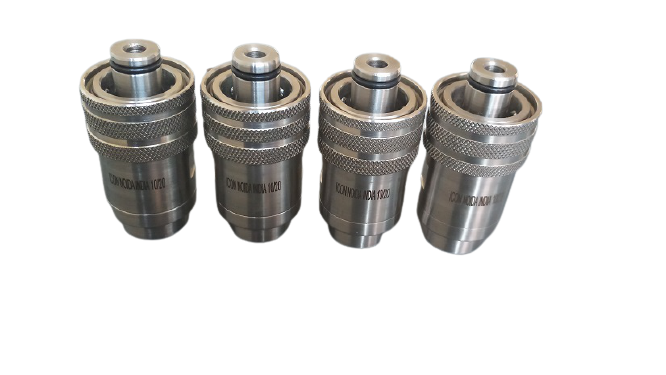
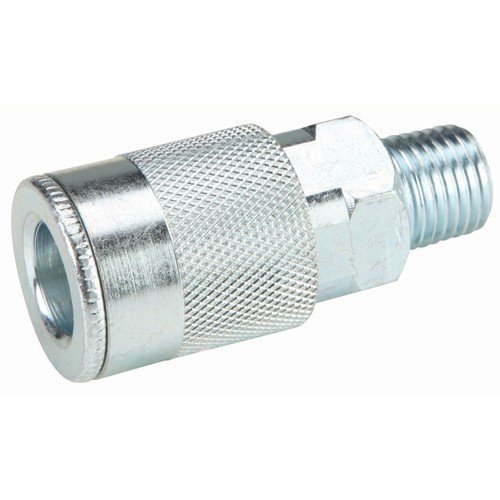
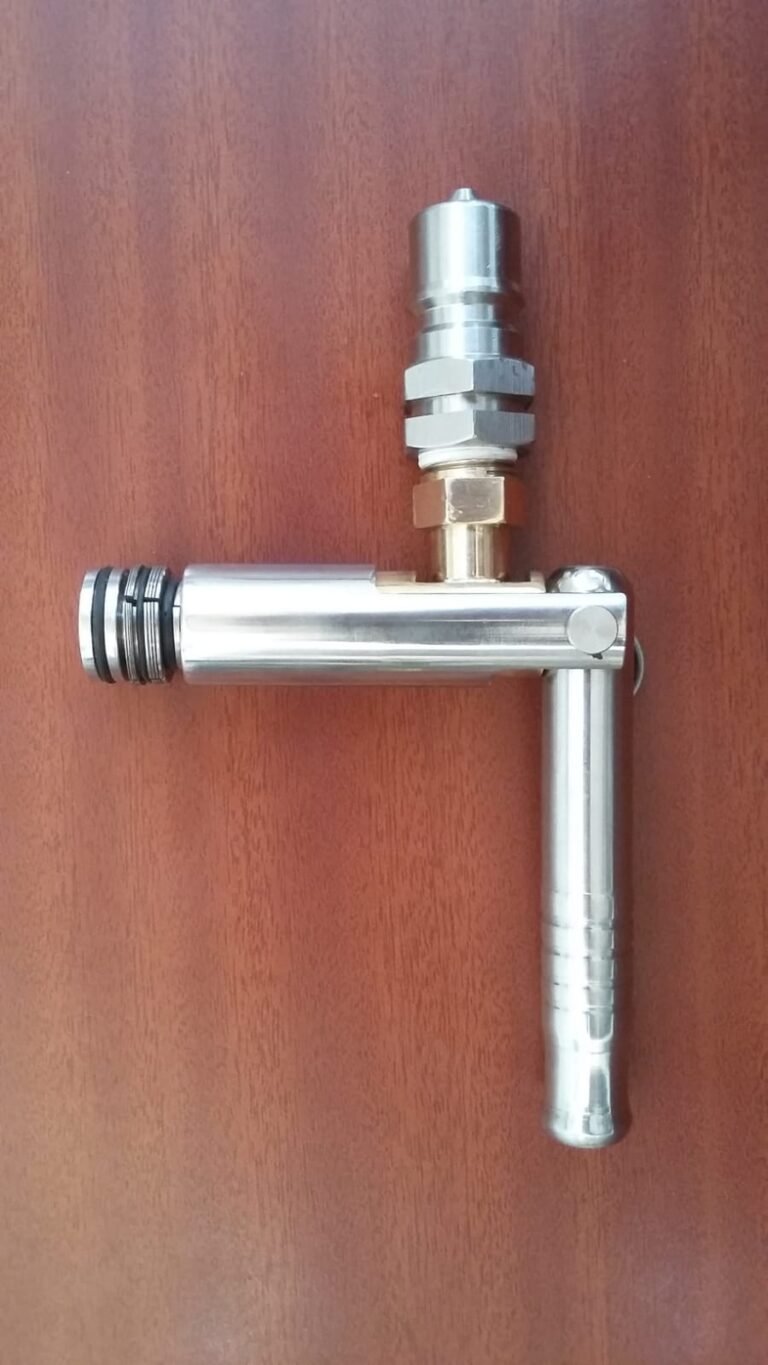
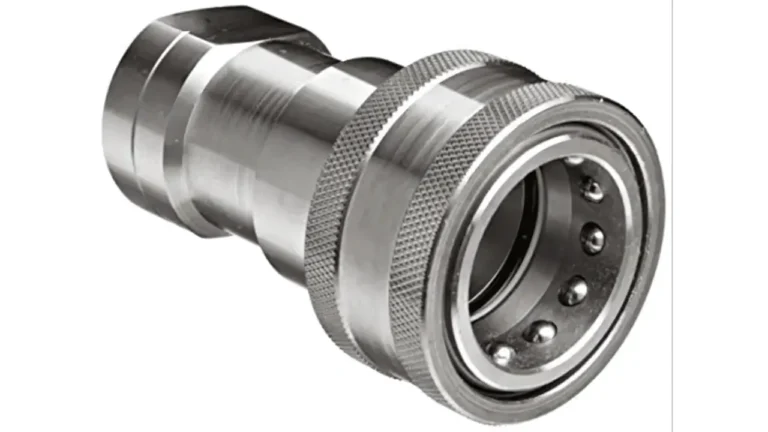
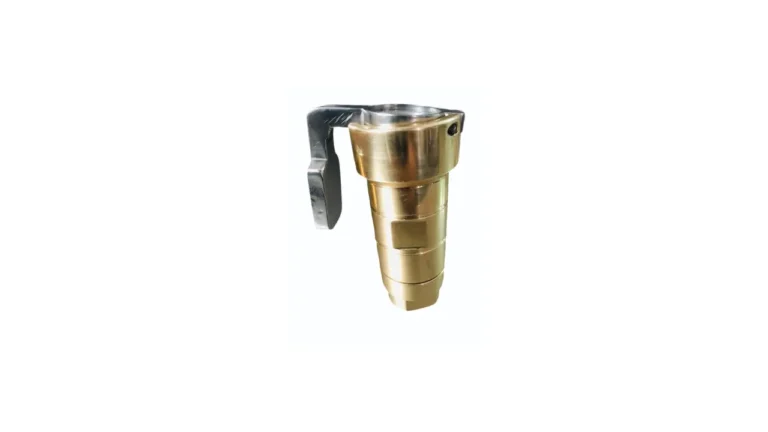
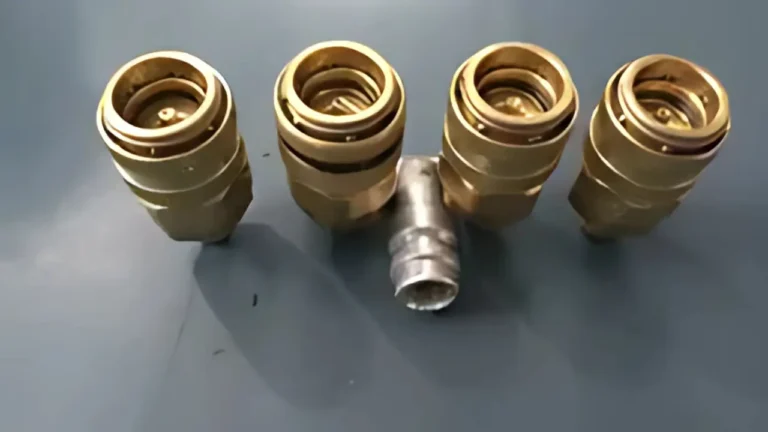
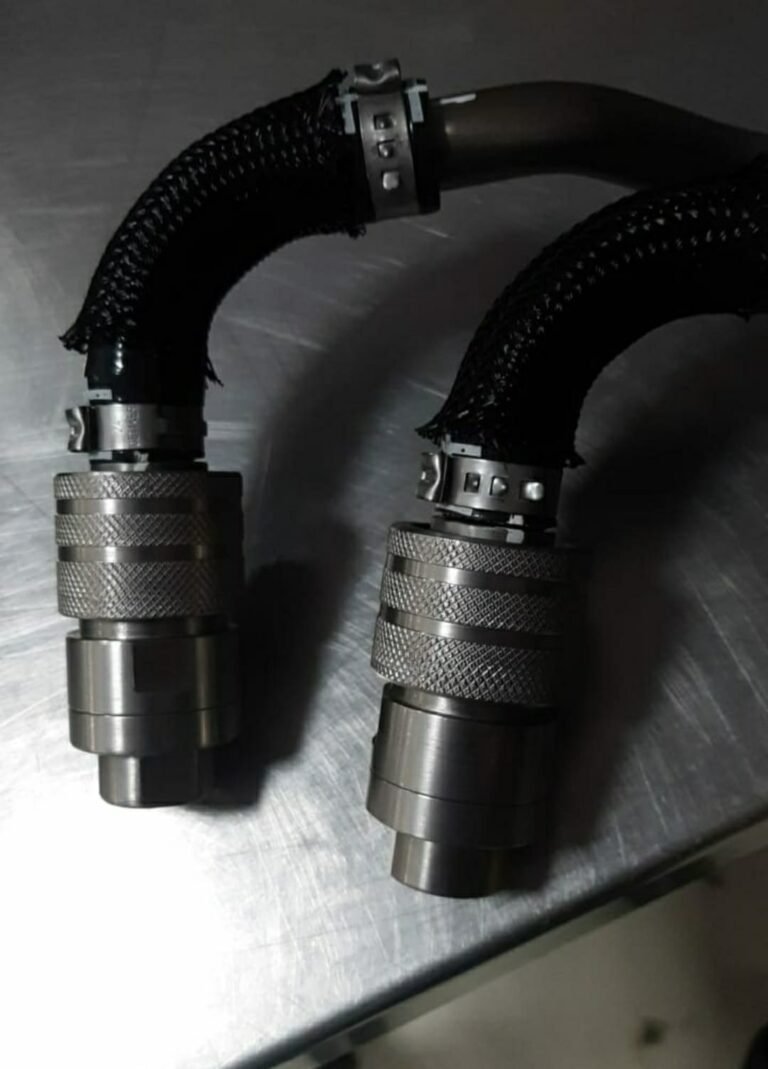
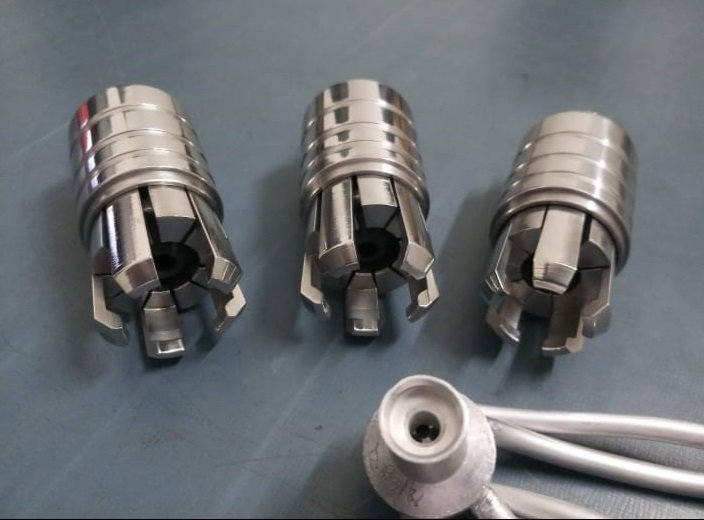
Hose Coupler
A hose coupler is designed to connect flexible hoses rather than rigid pipes. It is commonly used in:
- Fire safety systems
- Hydraulic machinery
- Automotive applications
- Industrial fluid transfer
Hose couplers allow quick connection and disconnection while ensuring a tight seal.
Coupler vs Coupling: Is There a Difference?
Many people search for coupler vs coupling to understand the difference between the two terms.
Technically:
- Coupling refers to the pipe fitting component itself.
- Coupler is often used informally to describe the same fitting.
In practical usage, both terms are commonly interchangeable in plumbing and engineering industries.
What Is a Coupling Pipe Fitting Used For?
A coupling pipe fitting is used in numerous applications across industries:
- Domestic plumbing systems
- Industrial pipelines
- Chemical processing plants
- Wastewater treatment systems
- Agricultural irrigation networks
- HVAC piping systems
It plays a vital role in ensuring seamless operation and efficient fluid transport.
Importance of Pipe Coupling in Plumbing
Understanding what is a coupling in plumbing helps highlight its importance.
Benefits of using quality pipe couplings:
- Prevents water or gas leakage
- Reduces pressure loss
- Improves pipeline durability
- Simplifies maintenance
- Enhances overall safety
In modern infrastructure, reliable pipe coupling technology ensures long-term performance and minimal downtime.
How to Choose the Right Pipe Coupler?
Selecting the right pipe coupler depends on several factors:
- Pipe material (PVC, copper, steel)
- Pipe diameter
- Operating pressure
- Fluid type
- Temperature conditions
- Installation environment
For example:
- Use a PVC coupler with PVC pipe connectors.
- Use copper pipe connectors in high-temperature water systems.
- Use metal couplings in high-pressure industrial lines.
Proper selection improves safety and reduces maintenance costs.
Common Problems Caused by Incorrect Pipe Coupling
Using the wrong type of pipe coupling can lead to:
- Leakage
- Pipe misalignment
- Pressure drop
- Vibration damage
- Premature system failure
This is why professional engineering guidance is recommended when selecting couplings for industrial projects.
Why Pipe Couplers Are Essential in Modern Engineering
Whether it is a small residential building or a large industrial plant, piping systems cannot function without secure connections. A pipe coupler ensures continuity, durability, and performance.
From PVC pipe connectors in homes to heavy-duty metal couplings in factories, pipe couplers form the backbone of fluid transport systems.
Conclusion
So, what does a pipe coupler do? It connects, secures, and strengthens piping systems, ensuring smooth and leak-free operation. A pipe coupling may be a small component, but its impact on system efficiency and safety is enormous.
Understanding what is a pipe coupling, the difference in coupler vs coupling, and the types like PVC coupler, hose coupler, and copper pipe connectors helps in making informed decisions for plumbing and industrial applications.
At Icon-Engineers, we focus on delivering precision-engineered pipe coupler solutions that meet modern industry standards. Choosing the right coupling pipe fitting ensures long-lasting, safe, and efficient performance.