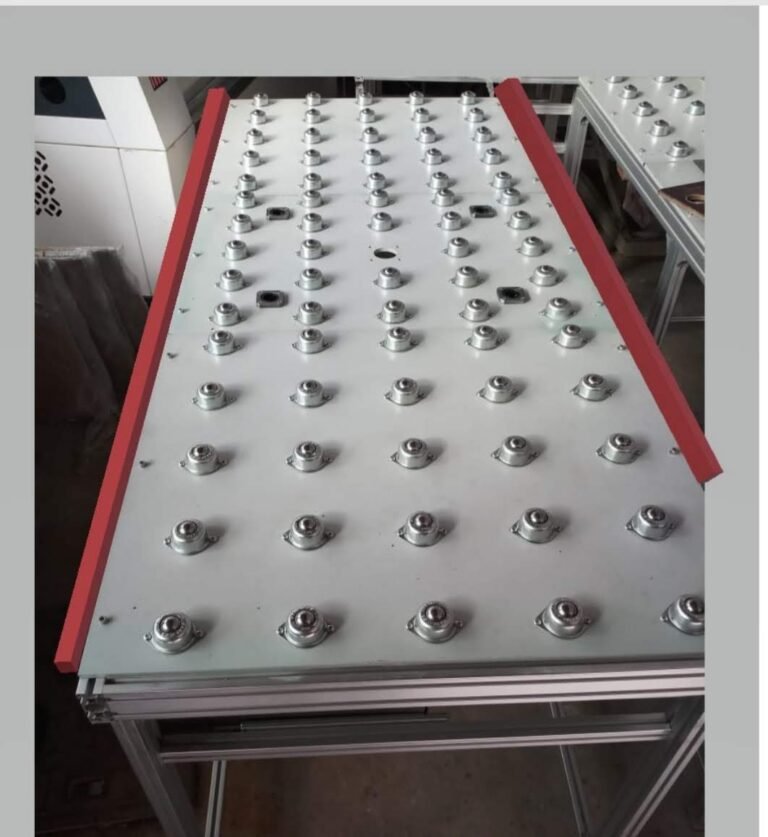
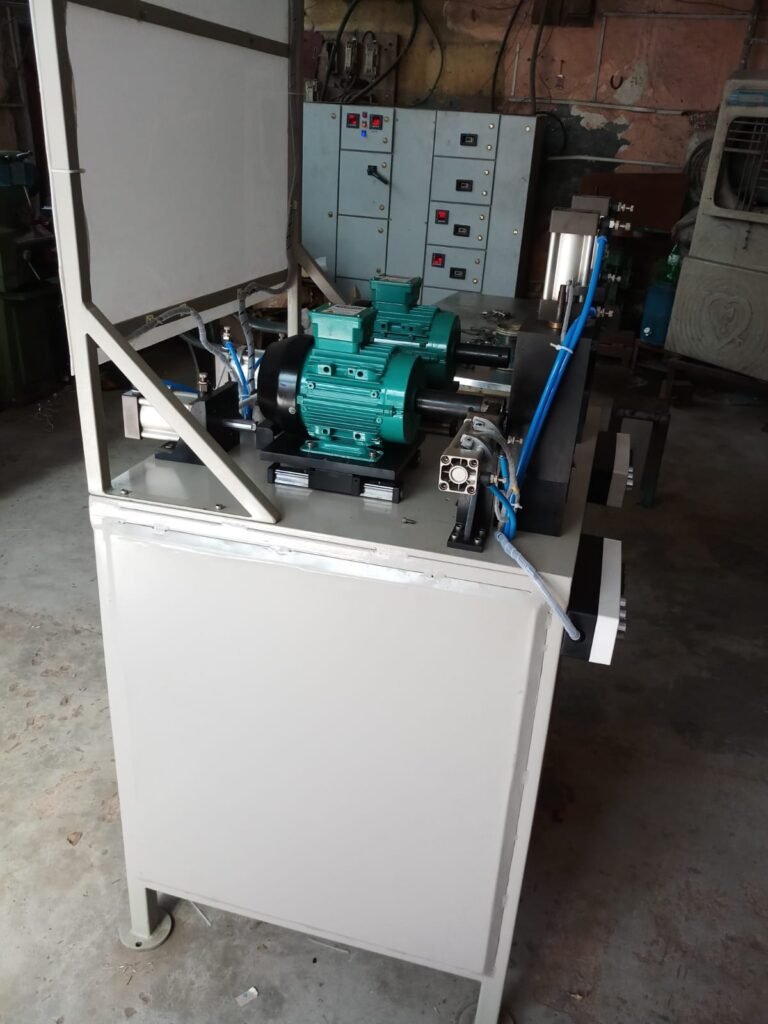
Belt conveyors are one of the most widely used material-handling systems across different industries. They are simple, efficient, and suitable for handling bulk materials as well as unit loads. At Icon-Engineers, we manufacture high-quality and durable belt conveyors designed for continuous operation and smooth material transfer. In this blog, we will explore the types of belt conveyors, their main components, belt conveyor design, and applications in various industries. We will also discuss the essential conveyor belt parts, a basic belt conveyor diagram, and how each part supports performance.
What Are Belt Conveyors?
Belt conveyors are mechanical systems that transport materials from one point to another using a continuous belt loop. These systems are used in factories, warehouses, airports, mining plants, agricultural sectors, and many more industries. A properly engineered belt conveyor design ensures smooth movement, minimal friction, low power consumption, and maximum productivity.
Belt conveyors can handle lightweight components, heavy loads, abrasive materials, food-grade products, and even irregular-shaped items. This versatility makes them one of the most reliable conveying solutions.
Also Read: 14 Types of Coupling: What do you need to know
Types of Belt Conveyors
Different industries require different types of belt conveyors based on material properties, distance, speed, and handling capacity. Here are the most commonly used types:
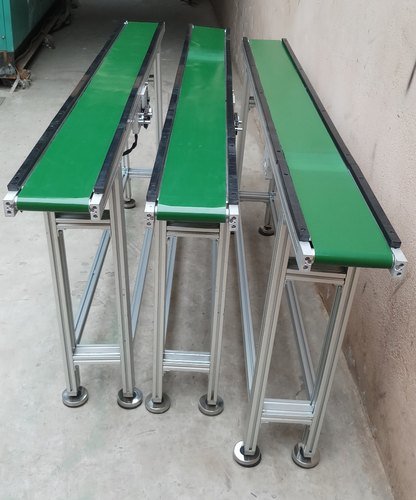
Flat Belt Conveyor
This is the most basic and widely used conveyor system. The belt runs on a flat surface supported by idler rollers. It is suitable for packing, assembly lines, inspection, and general material movement.
Cleated Belt Conveyor
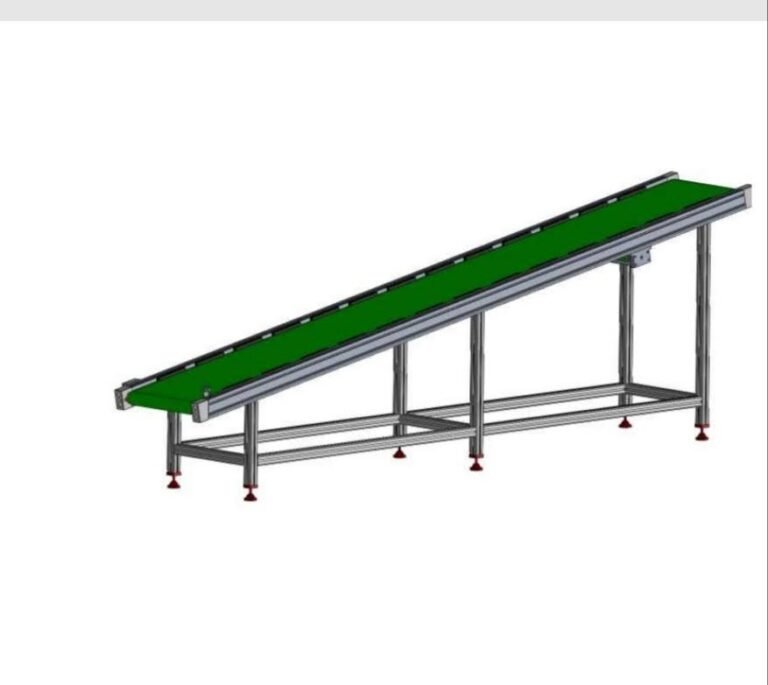
These conveyors have raised cleats on the belt surface to prevent sliding of materials. They are used where items need to move vertically or on steep inclines.
Inclined/Declined Belt Conveyor
These conveyors help move products between different levels. They are ideal for loading, unloading, mezzanine movement, and warehouse operations.
Modular Belt Conveyor
Made from interlocked plastic segments, modular belts offer great durability and easy cleaning. They are widely used in food processing and packaging.
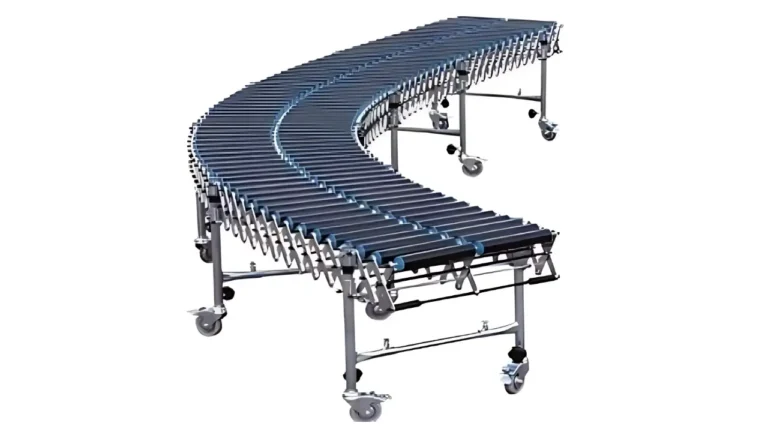
Curved Belt Conveyor
These conveyors carry materials around corners or change direction without stopping. They help maintain a continuous workflow in compact factory layouts.
Troughed Belt Conveyor
This design uses angled idlers to form a trough shape for carrying bulk materials like coal, sand, gravel, and grains. It is commonly used in mining and agricultural industries. Each type follows a structured belt conveyor design to ensure strength, efficiency, and safety.
Belt Conveyor Components (Parts List)
A belt conveyor system works efficiently because each component has a specific function. Below is a simple belt conveyor parts list that explains the essential components:
- Conveyor Belt- The belt is the main carrying medium. Depending on the application, belts may be rubber, PVC, PU, nylon, fabric, or modular plastic.
- Head Pulley- The head pulley is located at the discharge end. It drives the belt and helps unload the materials.
- Tail Pulley- The tail pulley is positioned at the opposite end and helps maintain belt tension.
- Idlers or Rollers- These support the belt and load. Roller arrangements vary according to the required belt conveyor design.
- Drive Unit- This consists of an electric motor, gearbox, and coupling. It powers the conveyor and controls speed.
- Take-Up Unit- Used to maintain proper tension in the belt and prevent slippage.
- Frame or Structure- Supports all the components and ensures strength and alignment.
- Conveyor Guards- Added for safety and to prevent accidental contact with moving parts.
All these items collectively form the basic conveyor belt parts and are shown in almost every belt conveyor diagram used in industries.
Understanding Belt Conveyor Design
A strong and efficient belt conveyor design makes a system reliable, smooth, and long-lasting. Important factors in design include:
- Material Type- Dry, wet, sharp, hot, cold, or abrasive materials require different belts and idlers.
- Belt Width & Speed- Wider belts are used for bulk materials, while narrow belts handle lightweight items. Speed depends on required capacity and product nature.
- Tension & Power Calculation- Proper tension is essential for avoiding belt slippage and reducing wear. Motor power is calculated based on load, length, and friction.
- Incline Angle- Inclines and declines require special belts or cleats to ensure materials do not slip.
- Environmental Conditions- Dust, heat, moisture, chemicals, or food-grade requirements influence the design selection. A correct design ensures that all belt conveyor parts work together for maximum performance, efficiency, and safety.
Belt Conveyor Diagram (Explained Simply)
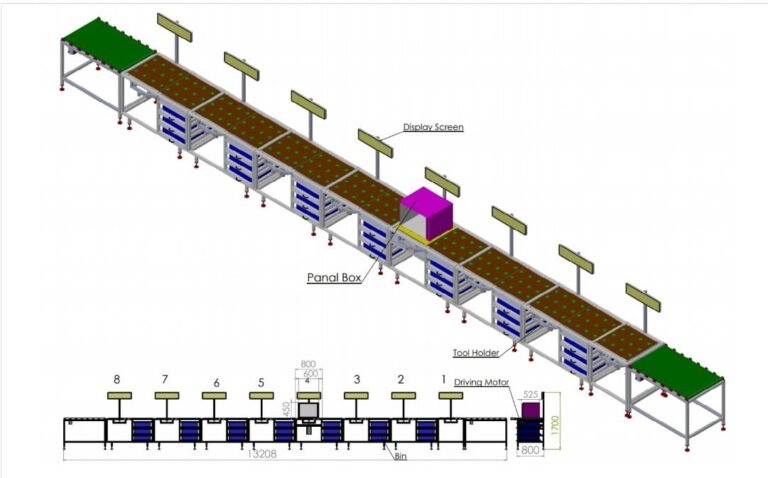
A typical belt conveyor diagram includes: Belt, Head pulley, Tail pulley, Idlers, Motor, Frame, Loading point, Discharge point. This diagram helps engineers, operators, and maintenance teams understand the flow of materials and identify each part clearly. Understanding the diagram also makes troubleshooting easier.
Applications of Belt Conveyors
Belt conveyors are used in almost every major industry. Some important applications include:
- Manufacturing Plants- For assembly, inspection, packaging, and moving components between processes.
- Warehousing and Logistics- Used for carton handling, parcel transport, sorting, and loading/unloading.
- Airports- For baggage handling and continuous passenger luggage movement.
- Mining, Cement, and Aggregates- Troughed belt conveyors handle bulk materials like coal, ore, sand, gravel, and minerals.
- Food Processing- Modular and hygienic belts carry raw materials, cooked food, packets, and bakery products.
- Agriculture- Used for handling grains, fertilizers, seeds, and other farm materials.
- Recycling Plants- Transporting scrap materials, waste sorting, and conveyor-based segregation.
The versatility of belt conveyors makes them one of the most important material-handling equipment worldwide.
Why Choose Icon-Engineers for Belt Conveyors?
At Icon-Engineers, we design and manufacture high-quality belt conveyors with precision engineering and durable components. Our systems are built with a strong focus on performance, safety, and long-term reliability. We offer:
- Custom-designed belt conveyors
- Robust construction and quality-tested components
- Low maintenance and energy-efficient systems
- Competitive pricing
- Fast delivery and professional support
Whether you need a standard conveyor or a fully customized solution based on your material, layout, and capacity, Icon-Engineers ensures the best performance and value.
Conclusion
Belt conveyors are essential systems used for smooth and efficient material movement. Understanding their types, components, belt conveyor design, and applications helps industries choose the right conveying system. With high-quality materials, advanced engineering, and reliable construction, Icon-Engineers offers complete conveyor solutions along with accurate knowledge of belt conveyor parts, belt conveyor diagrams, and structure.