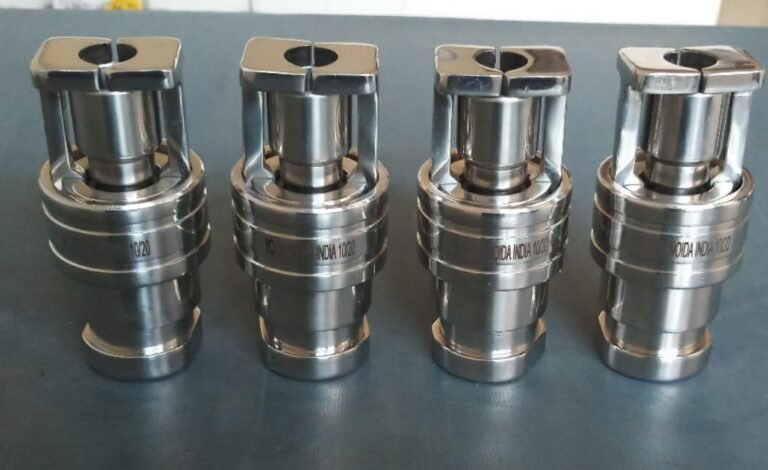
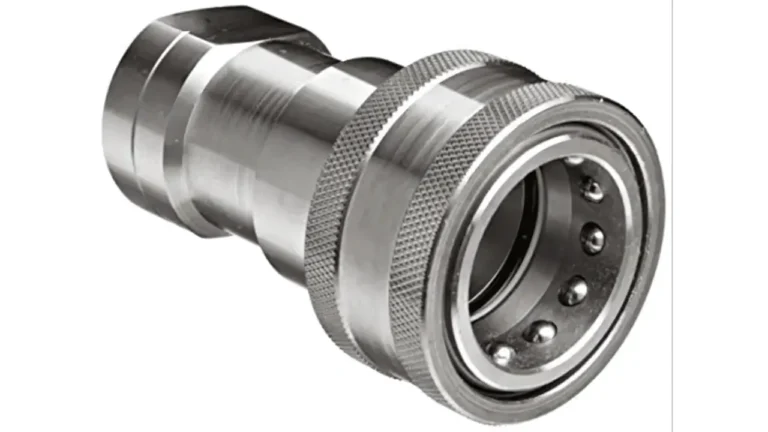
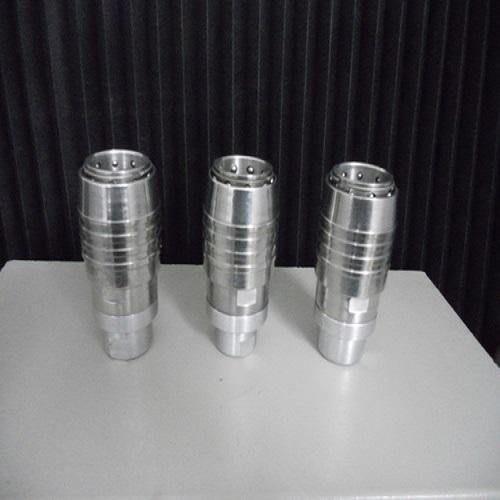
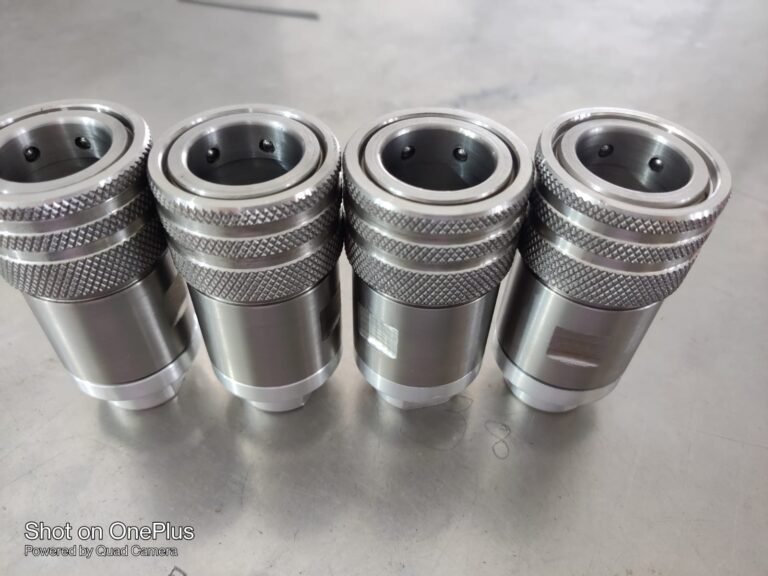
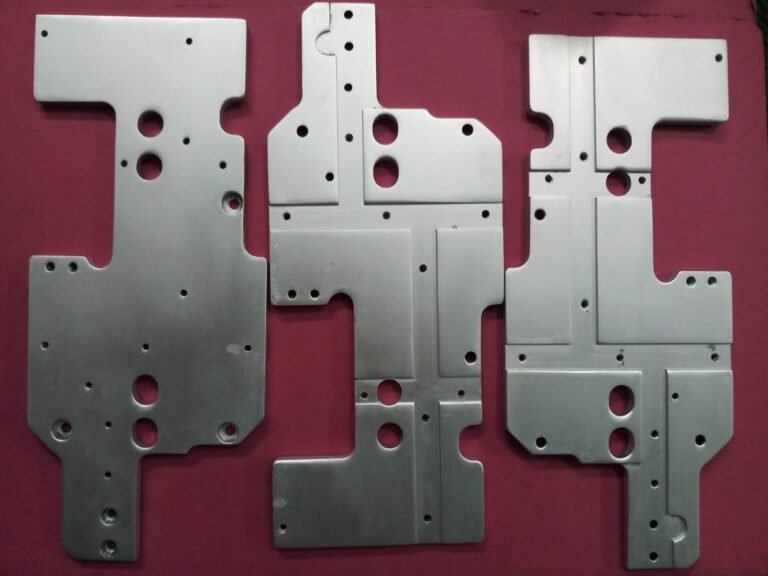
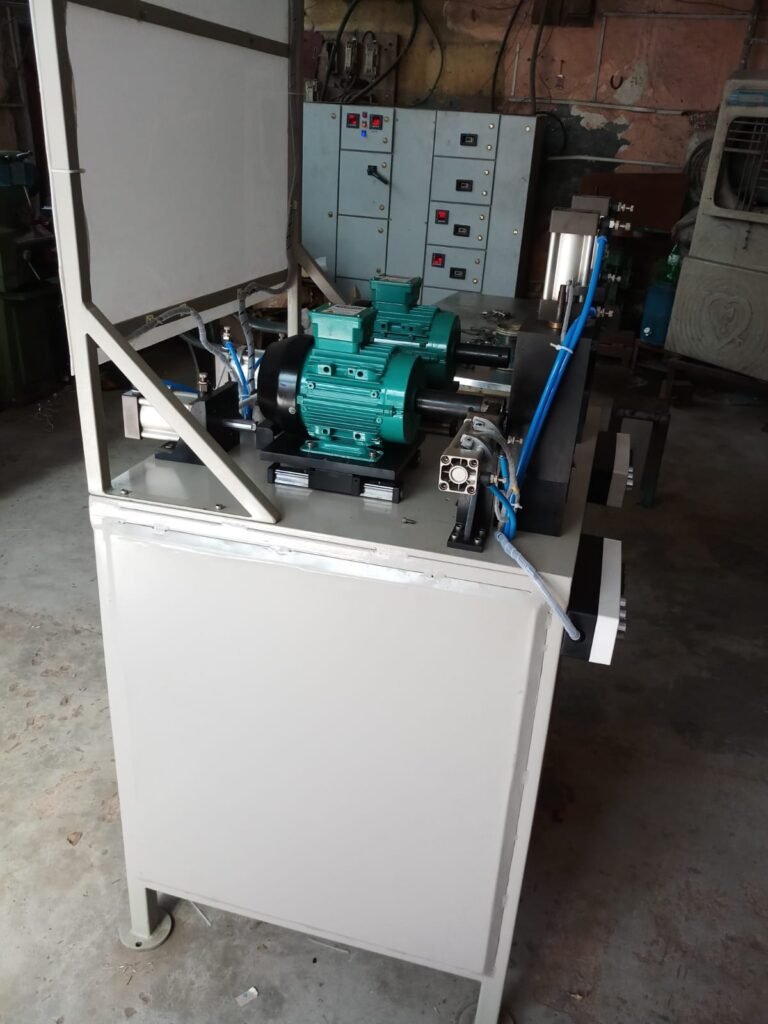
Leak testing is a vital process in any industry because it detects even the smallest leak in a product. A pressure leak in a machine, part, or system can affect the functioning of the entire system. Therefore, leakage testing, leakage checking, and leakage testing are considered essential parts of quality control. In this blog, we will explain leaks, leak testing principles, and the working principle of a leak testing machine in simple terms.
What is a Leak?
A leak is the unintended escape of air, gas, or liquid from any closed container, pipe, tank, or machine. A leak can occur due to a small pinhole or a large gap. There are two types of leaks—pressure leak (inside pressure escaping) and vacuum leak (outside air entering). This is why leak detection is crucial for the safety and performance of every industry.
Why Leakage Testing is Important?
Leakage testing is important because it keeps machines safe and prevents accidental failure. Good leak testing improves production quality, extends product life, and helps meet industry standards like ISO and BIS.
Basic Principles of Leaks and Leak Testing
Leak testing operates on several solid scientific principles. Understanding these principles helps increase the efficiency of leak detection.
- Pressure Difference Principle: This principle creates a pressure difference inside and outside the product. If there is a leak, there will be a pressure drop. This method is most commonly used and is very effective in pressure leak detection.
- Flow Measurement Principle: This principle allows the machine to detect changes in airflow or gas flow. If there is a leak in a product, a slight flow will emerge from that location, which is easily detected by sensors.
- Vacuum Decay Principle: In this method, the product is placed in a vacuum. If a leak is present, there will be a change in the vacuum. This method is highly effective in detecting both small and critical leaks.
- Pressure Decay Method: In this method, the product is pressurized and a pressure reading is taken after a period of time. Leakage is confirmed when the pressure decreases. This technique is most commonly used in automotive and industrial products.
- Tracer Gas Principle: This technique uses a tracer gas such as helium or hydrogen. Because the molecules of these gases are very small, this method can detect even tiny leaks. This method is best suited for high-accuracy applications.
Leak Testing Machine Working Principle
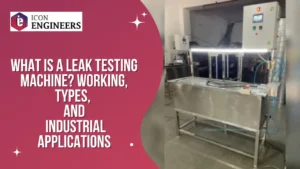
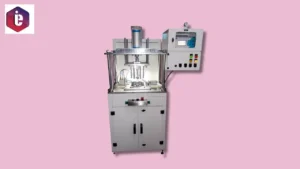
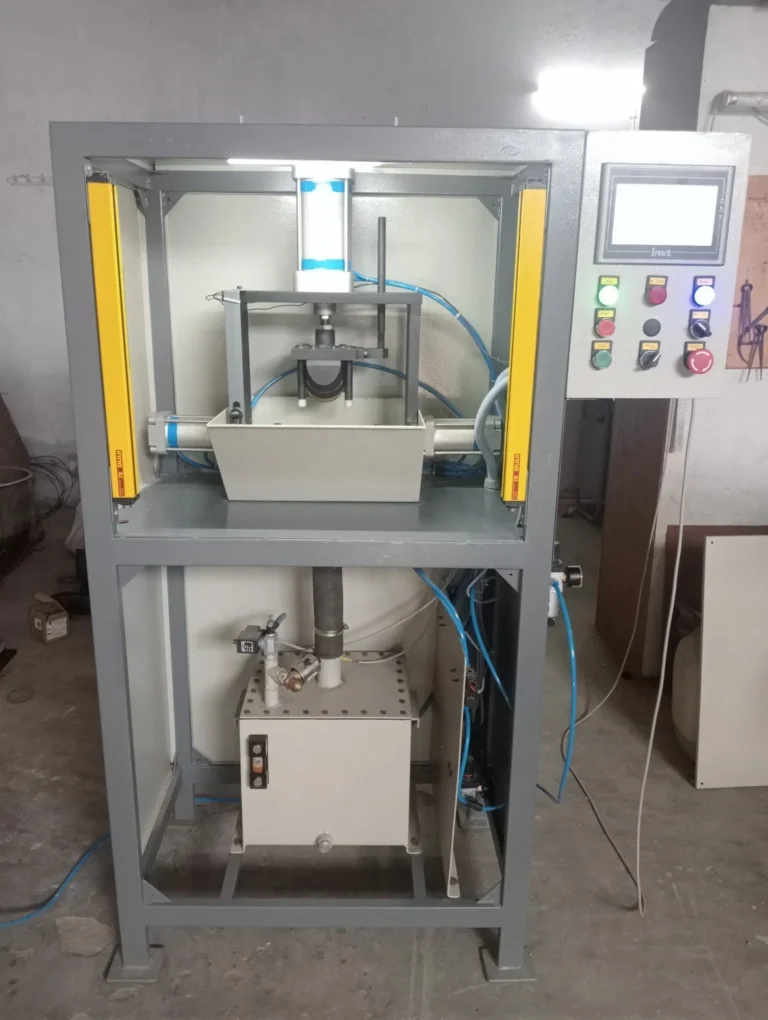
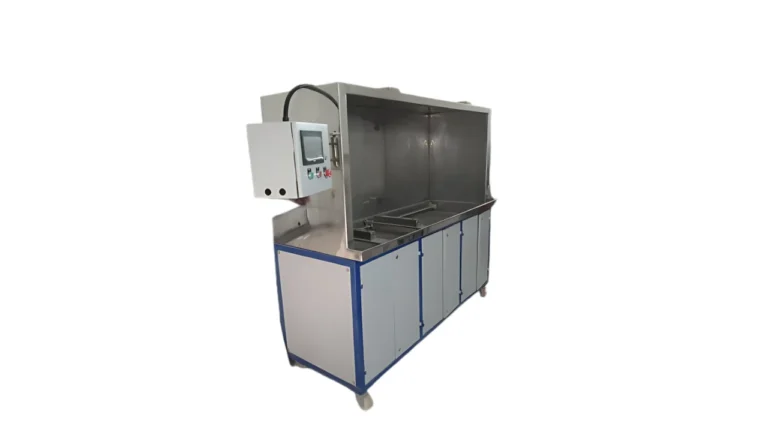
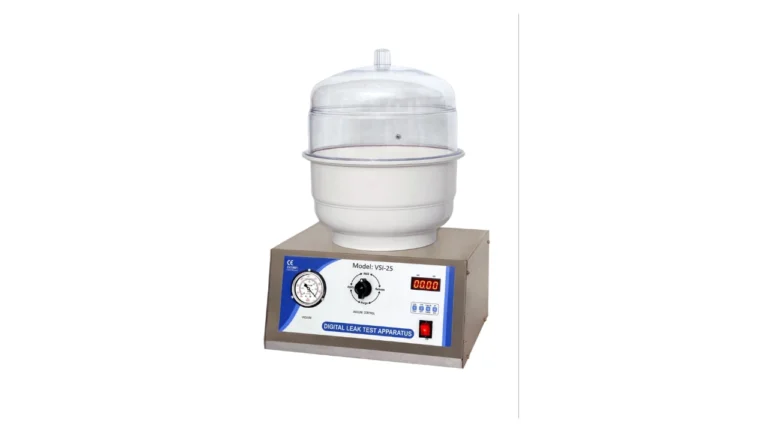
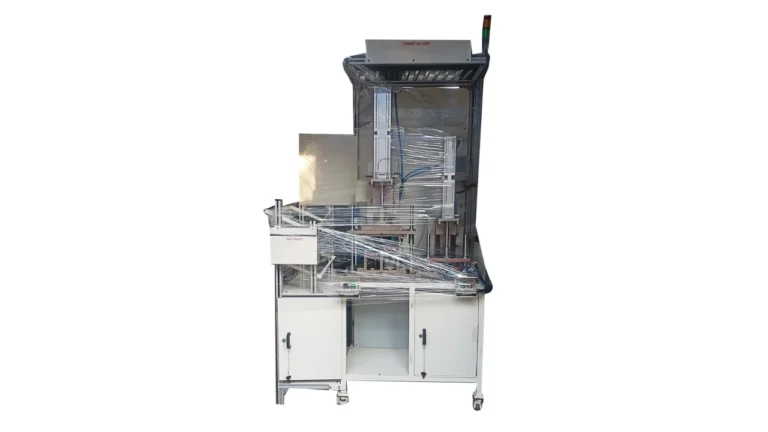
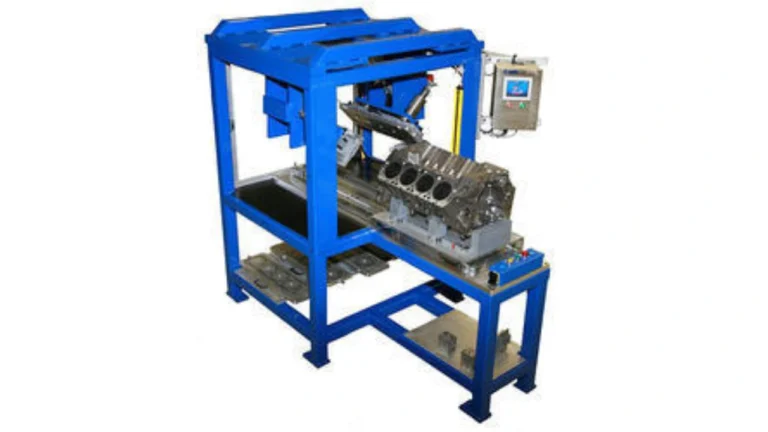
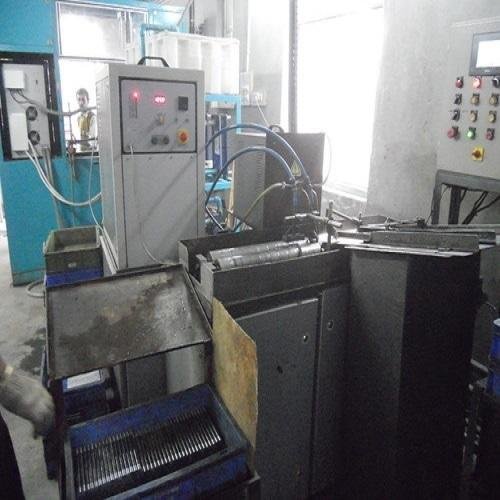
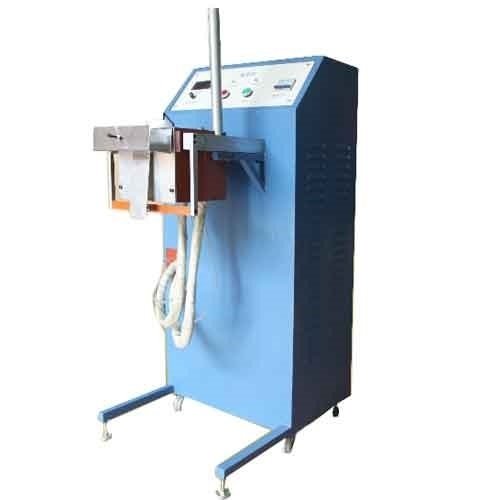
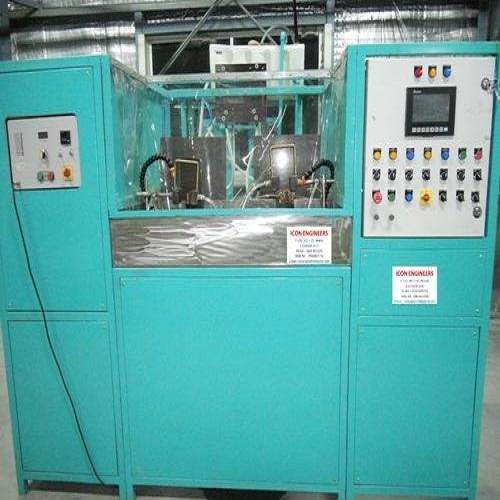
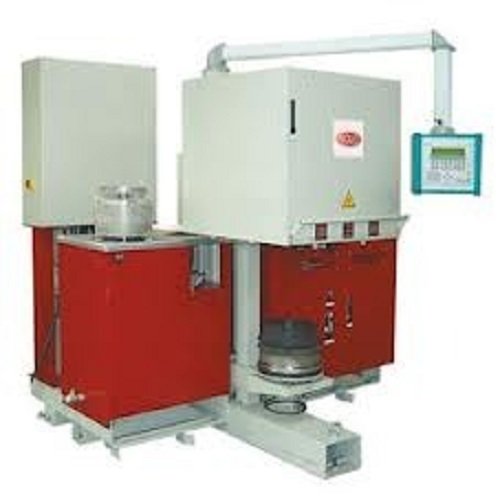
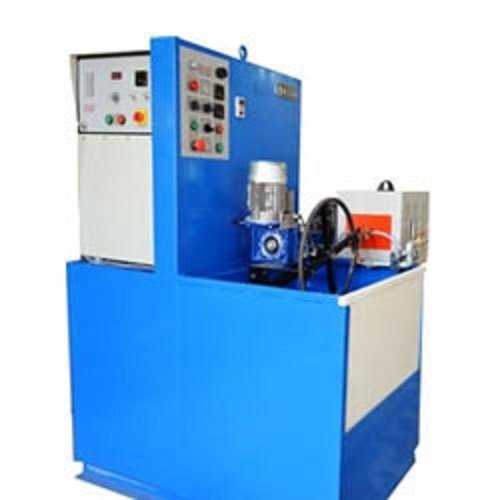
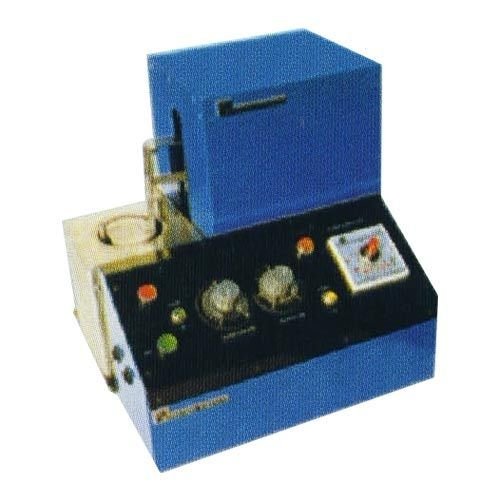
A leak testing machine applies a predefined pressure, flow, or vacuum and, using sensors, detects small changes in the system. The machine returns a FAIL status if there is a leak, and a PASS status if there is no leak. Modern machines provide accurate readings of leak rate, pressure drop, and flow variation.
Types of Leakage Testing Used in Industries
Industries use a variety of leakage testing methods, such as pressure leak testing, vacuum leak testing, air decay method, bubble testing, helium leak testing, hydraulic leakage testing, and flow leak testing. Each method is chosen based on the product design and application.
Benefits of Accurate Leakage Testing
Leakage testing improves product reliability, reduces failure rates, maintains safety standards, and provides customers with zero-defect products. Accurate leak detection also reduces production costs and warranty claims.
Conclusion
Leak testing is the foundation of quality and safety in any industry. Detecting leaks in a timely manner ensures smooth production and greatly reduces the risk of system failure. Icon Engineers offers leak testing machines and advanced leakage checking solutions that are accurate, fast, and compliant with industry standards. If you need leakage testing, pressure leakage detection, or custom leak testing machines, Icon Engineers offers the best and reliable solutions for you.