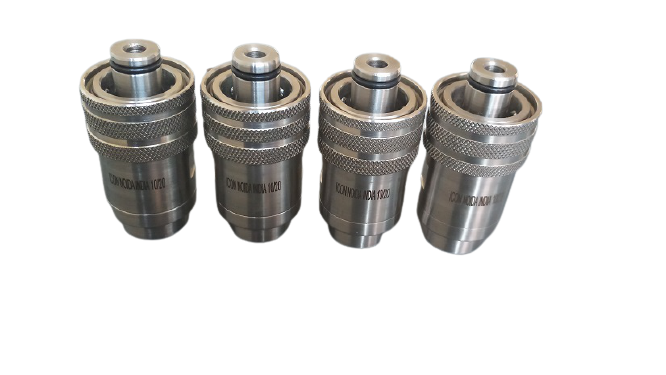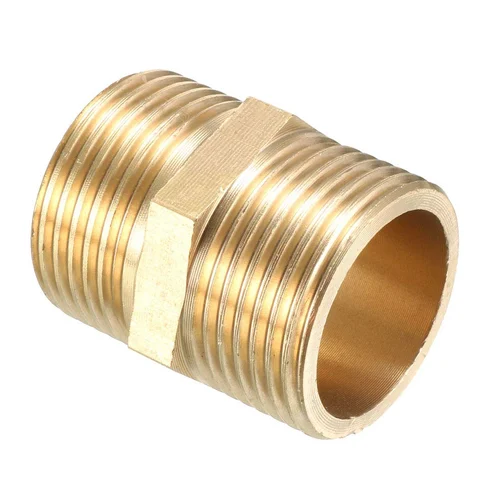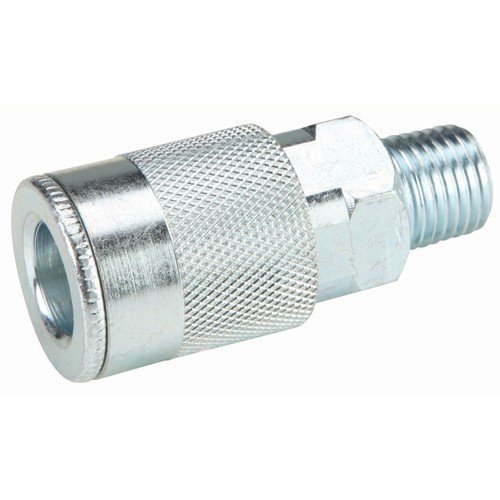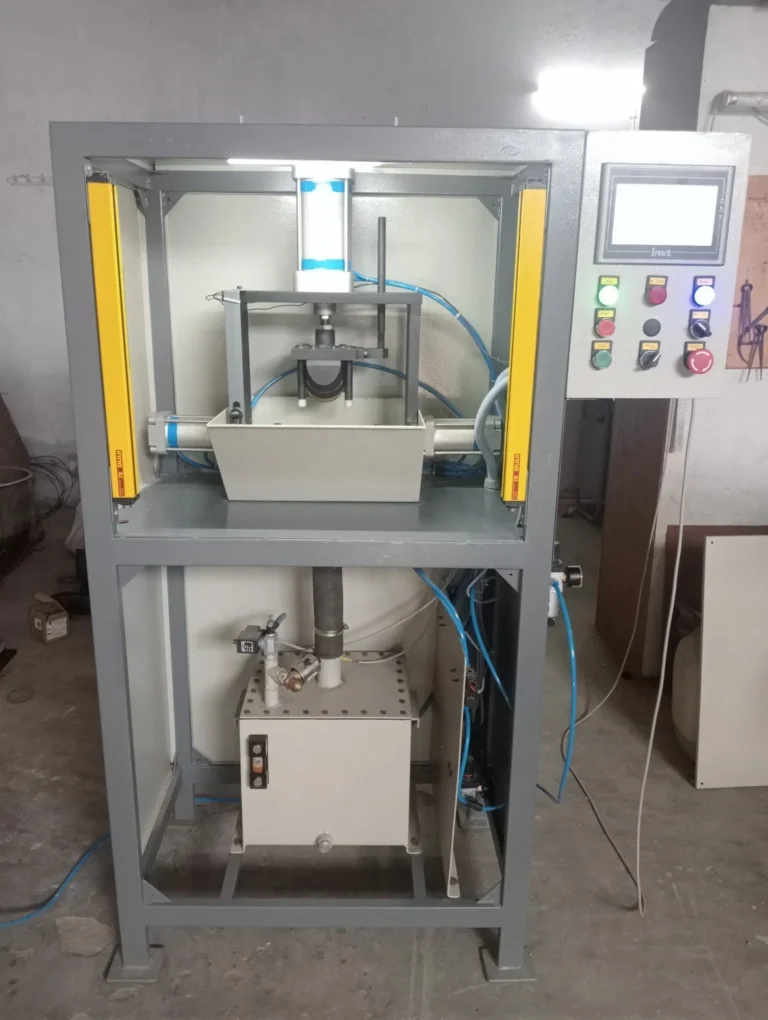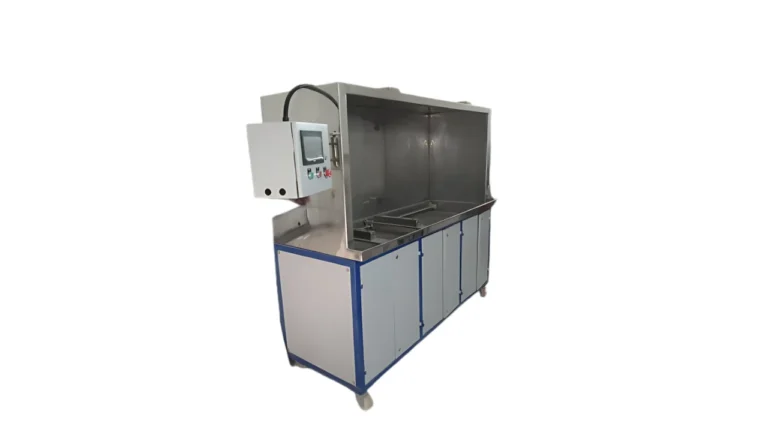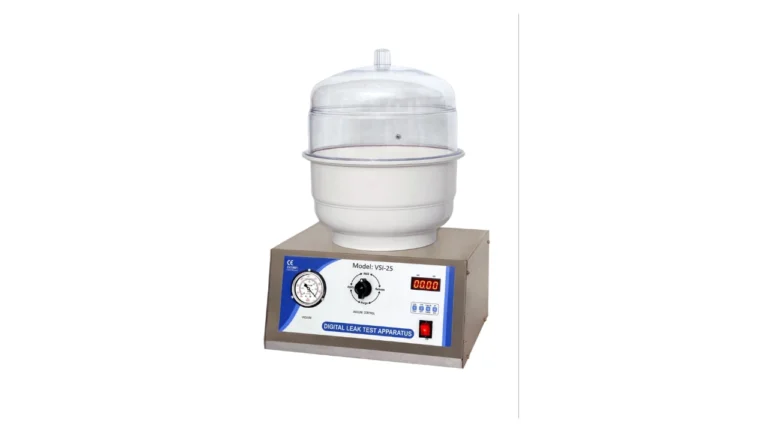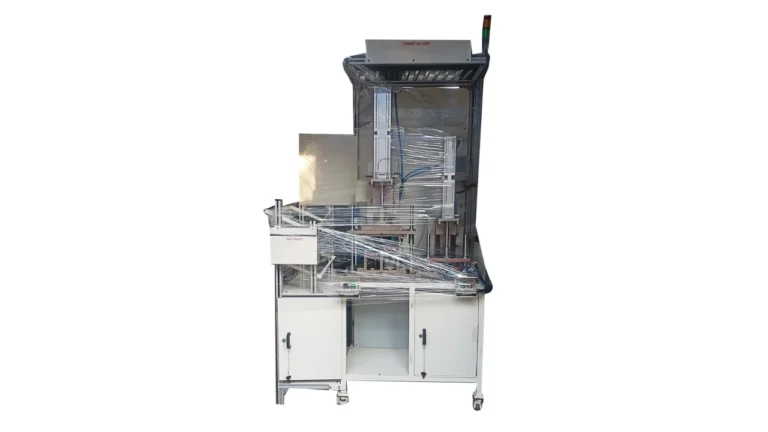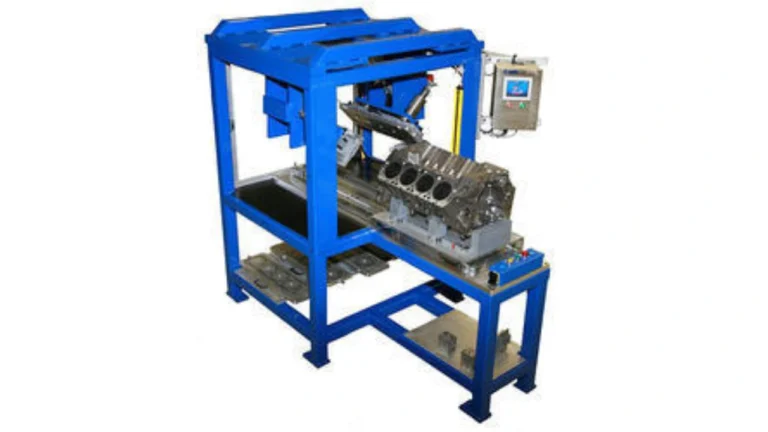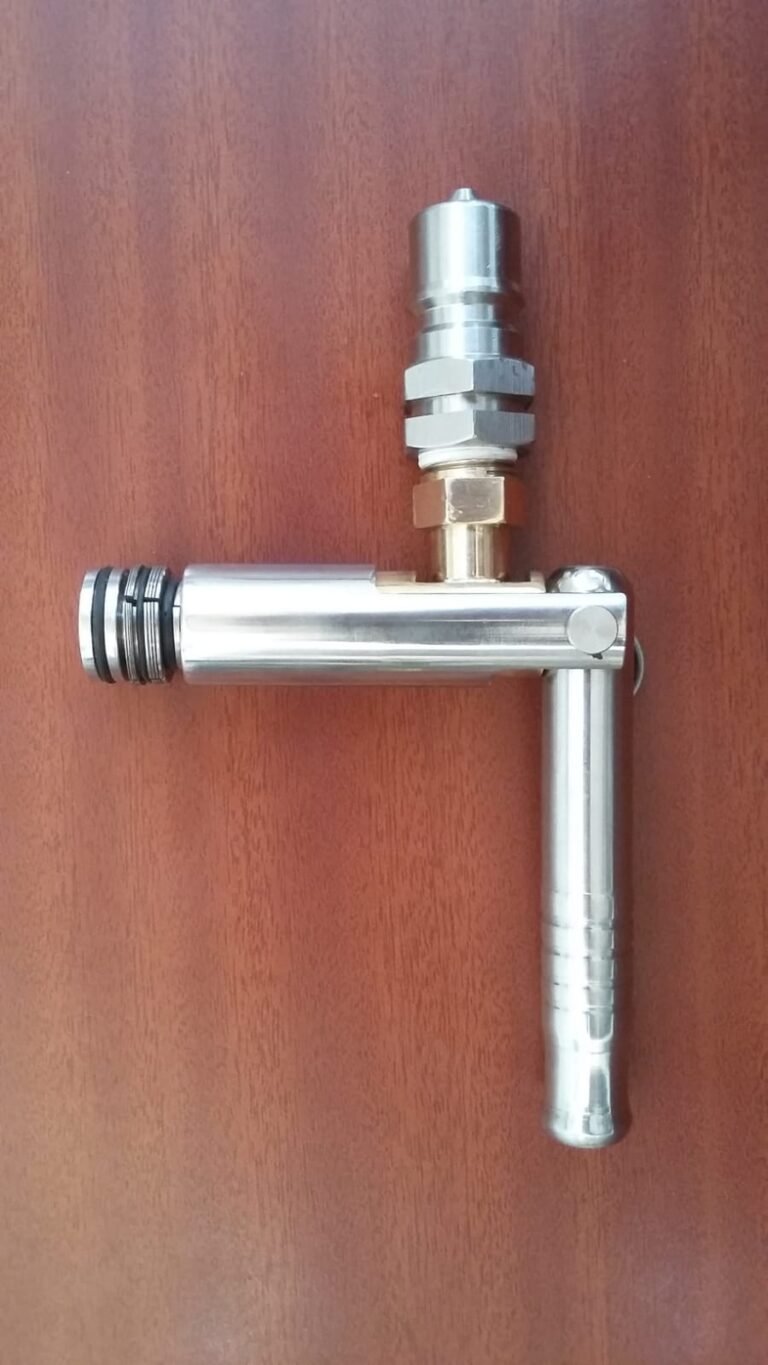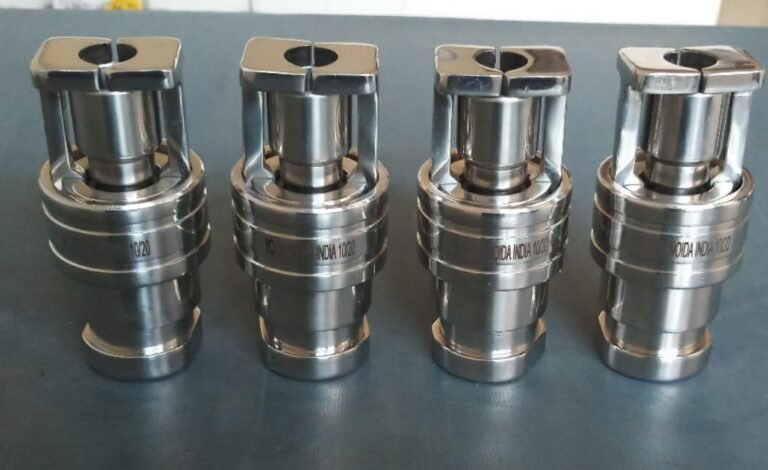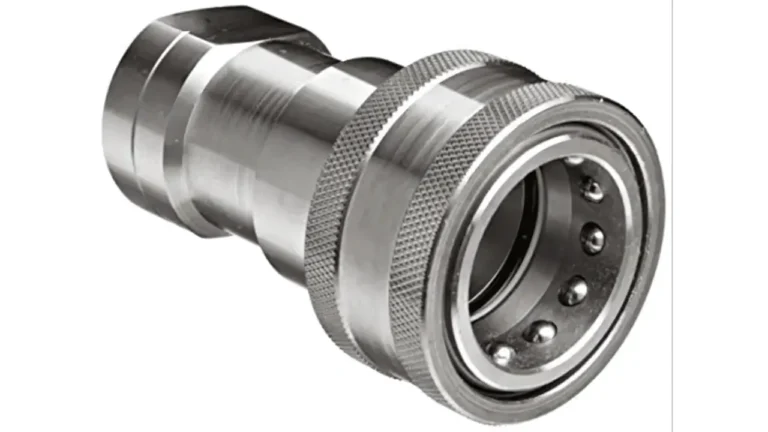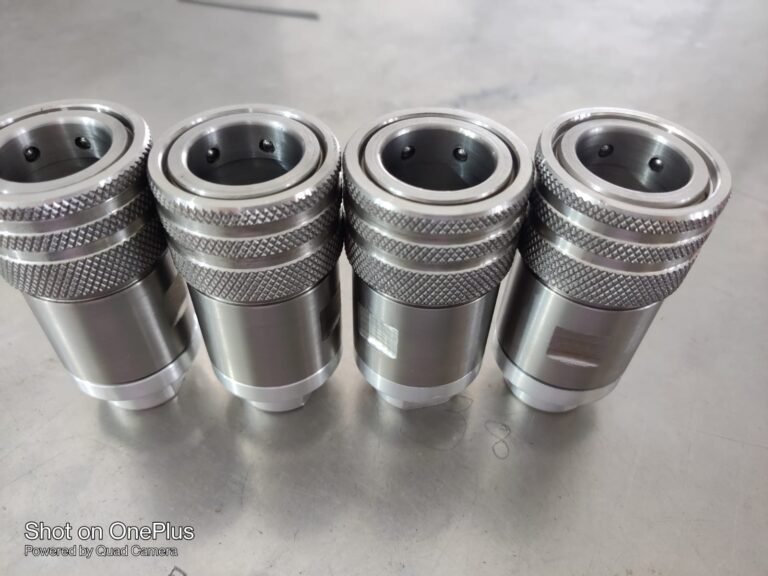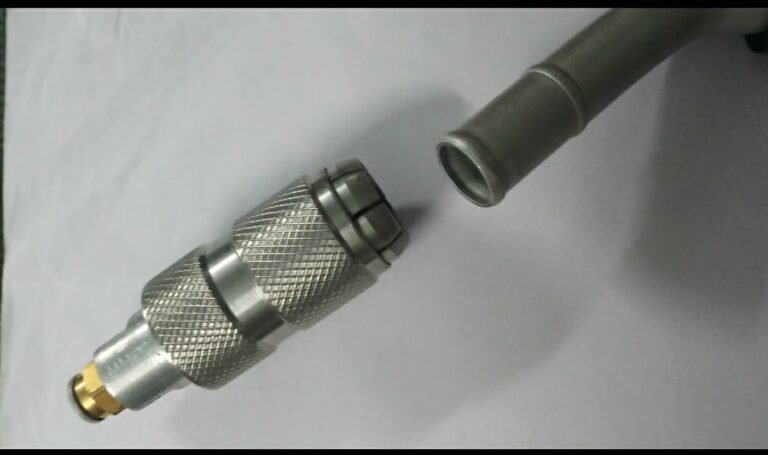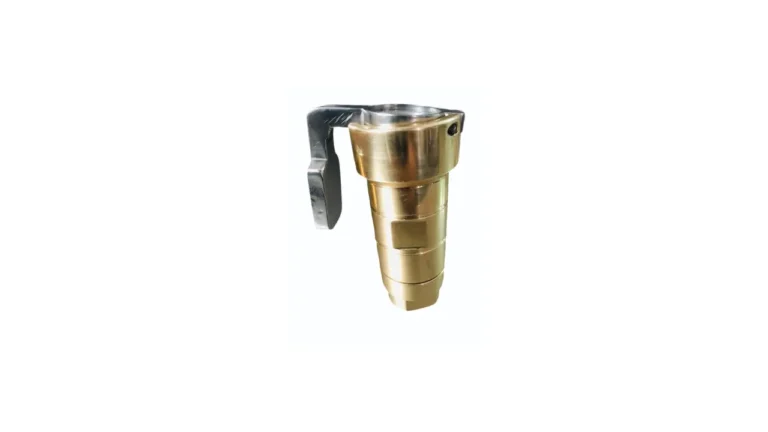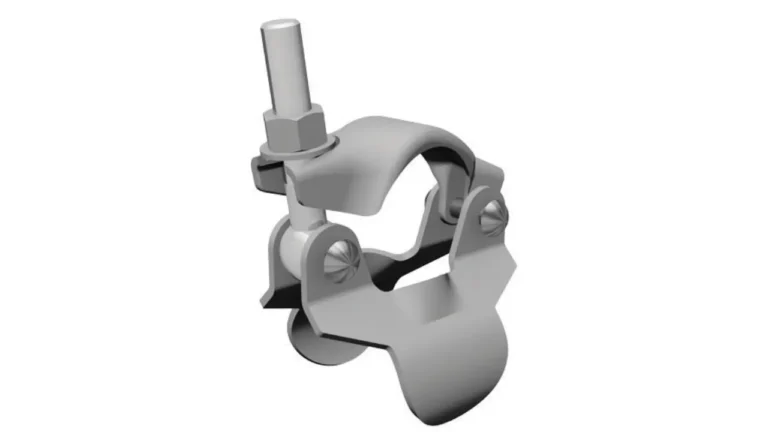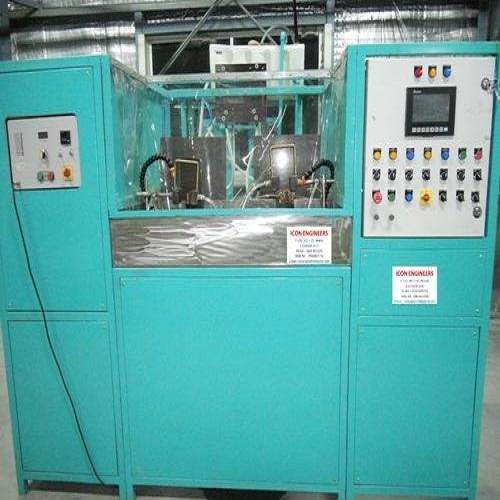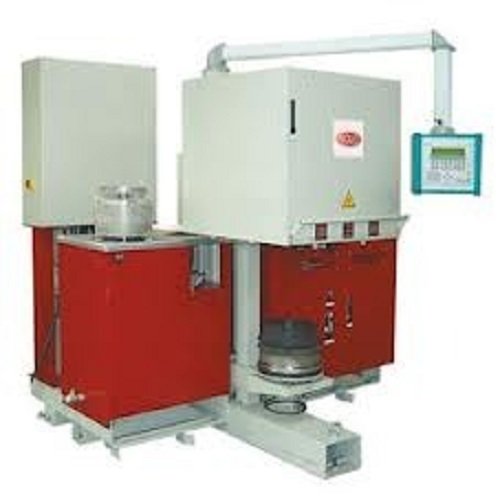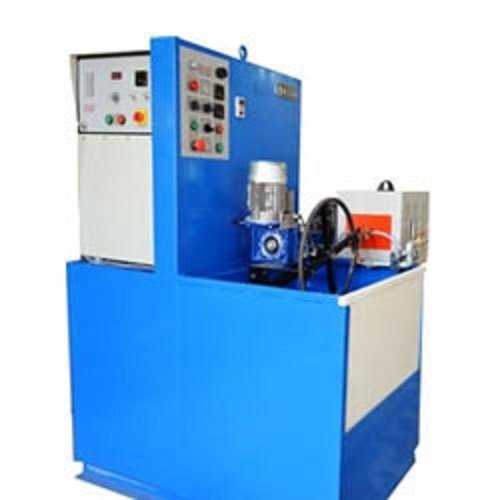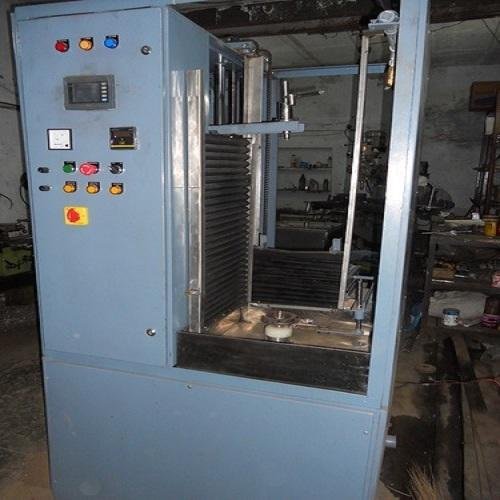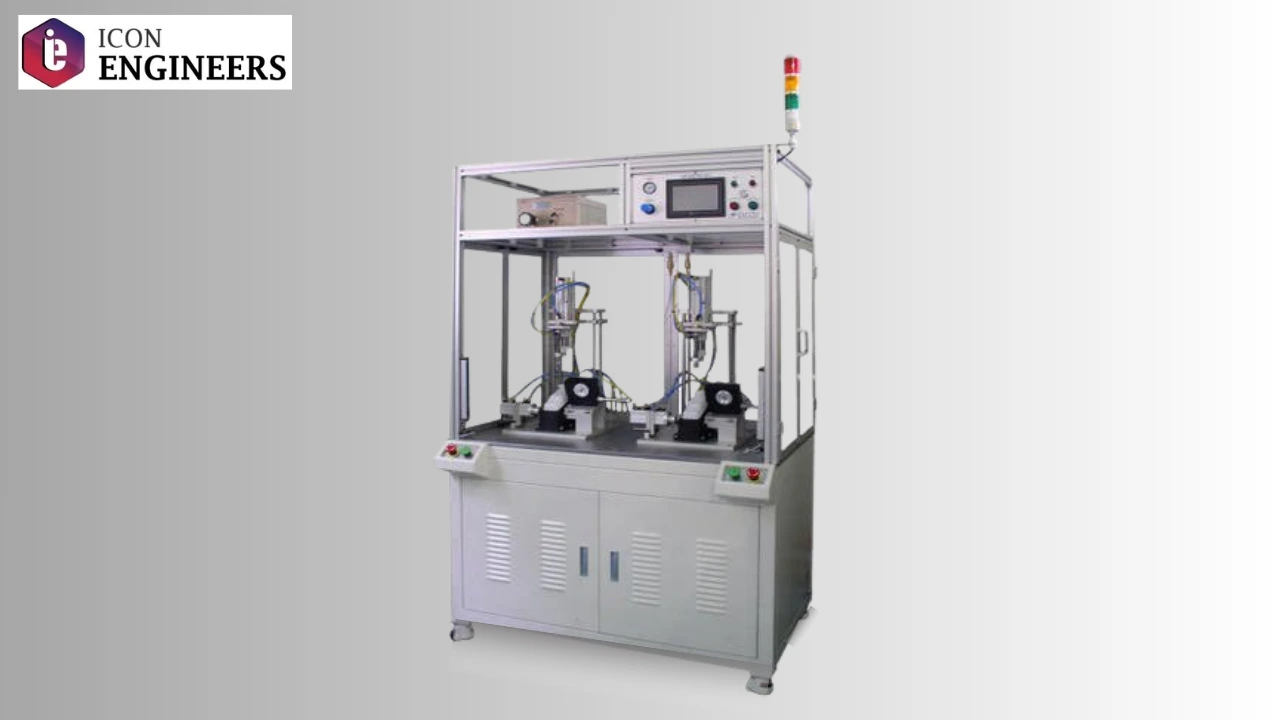
Leak testing is a critical quality assurance process in manufacturing and industrial systems. Whether dealing with pipelines, pressure vessels, storage tanks or hydraulic systems, a robust leak testing procedure helps ensure safety, performance and reliability. At Icon-Engineers, we specialise in delivering quality engineering services and understand how correct leak testing methods can reduce downtime, minimise risk and enhance operational efficiency.
What is Leak Testing?
In simple terms, leak testing refers to the process of verifying that a system or component is free from unintended leaks of liquids or gases under specified conditions. It checks for seal integrity, tightness and containment capability. According to industry guidance, leak testing can involve methods like pressure decay, vacuum decay, tracer gas detection and bubble tests. Using a proper leak testing procedure allows manufacturers, fabricators and plant owners to validate that their assemblies meet design requirements and avoid future failures.
Why Every Industrial Facility Needs a Leak Testing Procedure?
Leakage in an industrial system can lead to many problems: product loss, environmental contamination, safety hazards, increased maintenance costs and even regulatory non-compliance. By implementing a structured leak testing procedure, you get the following benefits:
- Enhanced safety: detecting leaks early prevents hazardous escapes of gases or fluids.
- Reduced operational costs: less downtime, fewer repairs and better asset life.
- Improved quality: leak-free systems perform as intended, maintaining pressure, flow or containment.
- Regulatory compliance: many industries mandate leak testing under standards for vessels, piping and HVAC systems.
When you engage Icon-Engineers, our leak testing procedure is custom-designed for your industry: oil & gas, petrochemical, power generation or heavy fabrication.
High-Volume Low-Competition Keywords Worth Using
To enhance visibility and target relevant traffic, consider incorporating keywords such as industrial leak test method, pressure decay leak test procedure, vacuum decay leak testing, tracer gas leak test, and pipe leak testing services. These phrases typically have good search volumes but less saturation in niche industrial SEO.
Types of Leak Testing Methods
A proper leak testing procedure involves choosing the right method based on the application, medium (gas or liquid), acceptable leak rate and test medium. Here are some widely used methods:
- Pressure Decay Test: In this method, the component is pressurised with air or another gas and held for a specified time. A drop in pressure indicates a leak. This method is simple, cost-effective and used widely in industry. It’s ideal for pipes, welded vessels and other assemblies where the leak rate requirement is moderate.
- Vacuum Decay / Pressure Rise Test: Here, the test specimen is placed in a vacuum chamber, or the inside is evacuated and monitored for pressure rise or decay over time. It can detect very small leaks. Used when high sensitivity is required, for example in sealed components, valves or aerospace parts.
- Tracer Gas / Helium Leak Test: This is one of the most sensitive methods. A tracer gas (often helium) is used inside or outside the component and any escaping gas is detected by a helium mass spectrometer. Ideal for critical applications like pressure vessels, vacuum systems, chemical containment.
- Bubble Test & Soap Solution: A basic and visual method: the component is filled with air or gas, the outside is coated with soap solution and bubbles reveal leaks. Simple but effective for less critical parts. Often used in field inspections, small assemblies, and where ultra-sensitivity isn’t required.
- Ultrasonic / Acoustic Emission Testing: Using high-frequency sound, leaks are detected by the sound emitted when gas or liquid escapes through a defect. Useful for compressed air systems or large industrial installations. This method helps in locating leaks for repair rather than just pass/fail.
Step-By-Step Leak Testing Procedure
Here’s a typical leak testing procedure we follow for industrial systems:
Preparation & Inspection
- Ensure the system is clean, free of contaminants and ready for testing.
- All valves, connections and seals should be verified for correct installation and compatibility.
- Choose the test medium (air, nitrogen, water, tracer gas) and select a method based on component type and specification.
Selection of Test Parameters
- Determine test pressure (often above the normal operating pressure), hold time, acceptable pressure drop or leak rate.
- Example: pressure decay test at 1.5× Operating Pressure for 30 minutes.
- Ensure safety devices and monitoring instruments are in place.
Applying the Test
- Connect the test rig, pressurise the component.
- Monitor for pressure drop, volume change, tracer gas escape, or bubble formation based on the method.
- Record the readings: time, pressure, temperature, leak-rate indication.
Evaluation & Leak Location
- If the component maintains specified threshold (e.g., pressure drop less than X bar) pass the test.
- If not, utilise leak location methods: trailing soap solution, ultrasonic probe, sniffing for tracer gas.
- Mark and document the leak location for repair.
Repair & Retest
- Perform welding, sealing or component replacement as needed.
- Clean and prepare for retesting.
- Repeat the test to ensure the repair was successful.
Reporting & Certification
- Create a test report including all parameters, results, calculations, technician details and certification.
- Keep the documentation for quality assurance audits and regulatory compliance.
Application Areas Where Leak Testing is Critical
Leak testing procedure is invaluable across many sectors:
- Oil & Gas Pipelines and Tanks: Any small leak can mean huge product loss or environmental hazard.
- Pressure Vessels & Boilers: To ensure structure integrity at high pressure and temperature conditions.
- Automotive & Aerospace Components: Fuel systems, hydraulic lines, sealed electronics require ultra-tight leak control.
- HVAC and Refrigeration Systems: Ensuring refrigerant gas is contained and no external air enters.
- Water Distribution & Sewage Systems: Detecting invisible leaks in buried pipes to save water and costs.
- Manufacturing of Hermetic Devices: Packaging, medical devices, semiconductor equipment require zero ingress or egress of gases.
By partnering with Icon-Engineers, you receive a leak testing procedure tailored to your industry, equipment and regulatory needs.
Best Practices & Tips for Effective Leak Testing
- Always calibrate testing instruments and maintain traceability.
- Use safety protocols when working with pressurised systems or hazardous gases.
- Choose the correct method rather than using the simplest one. High sensitivity may be needed.
- Document acceptance criteria in your design and contract documents. Don’t rely on “just doing a test”.
- Trend leak test results for the same equipment over time to detect degradation.
- Train technicians in leak detection methods, equipment handling and test interpretation.
Why Choose Icon-Engineers for Your Leak Testing Needs?
At Icon-Engineers, we bring:
- Deep expertise in designing and executing leak testing procedures for complex industrial systems.
- A full suite of methods: pressure/vacuum decay, tracer gas, ultrasonic, bubble test and more.
- Reliable instrumentation, certified technicians and full documentation.
- Tailored solutions for your project size, industry specification and budget.
- Commitment to safety, accuracy and commercial value.
Conclusion
A well-executed leak testing procedure is not just a box to tick — it’s a vital part of ensuring system integrity, operational reliability and safety. Leakage problems may be invisible now, but they can lead to costly failures, downtime and hazards tomorrow. By selecting the right leak test method, following a structured procedure and working with specialists like Icon-Engineers, you safeguard your assets and reputation.
Whether you require industrial leak test method design, pressure decay leak test procedure, or pipe leak testing services, reach out to Icon-Engineers for expert guidance. Let us help you maintain leak-free, high-performance systems.