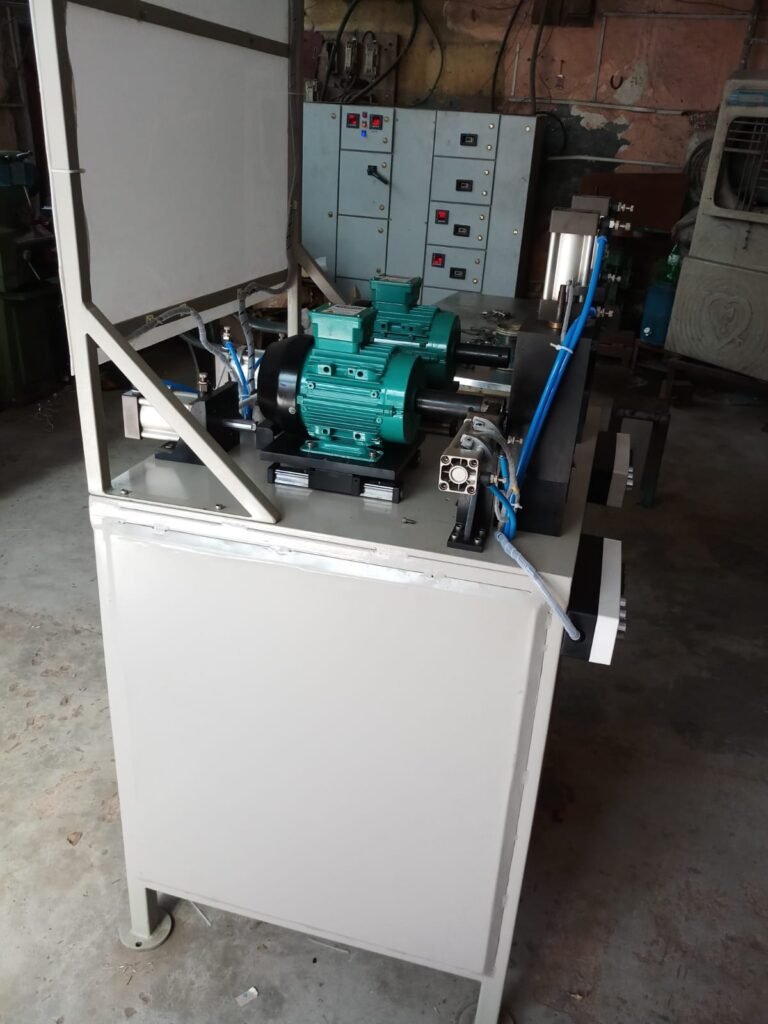
In the world of machinery and mechanical systems, couplings play an important role in connecting two shafts for power transmission. A coupling ensures smooth transfer of torque, alignment, and efficiency in the system. Whether it’s a pump, motor, or compressor, the right type of coupling can make a big difference in performance and durability.
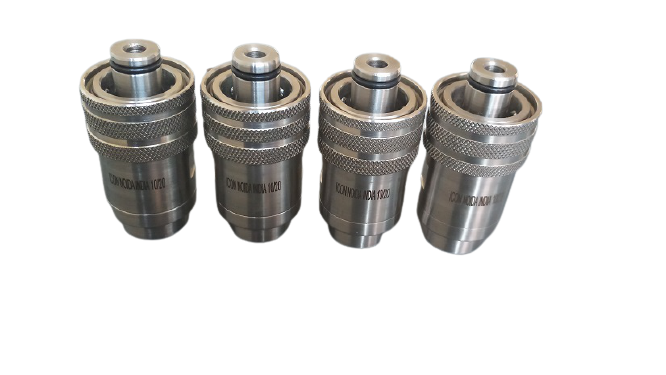
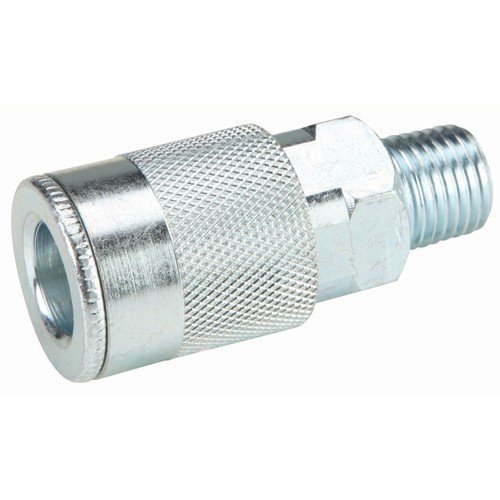
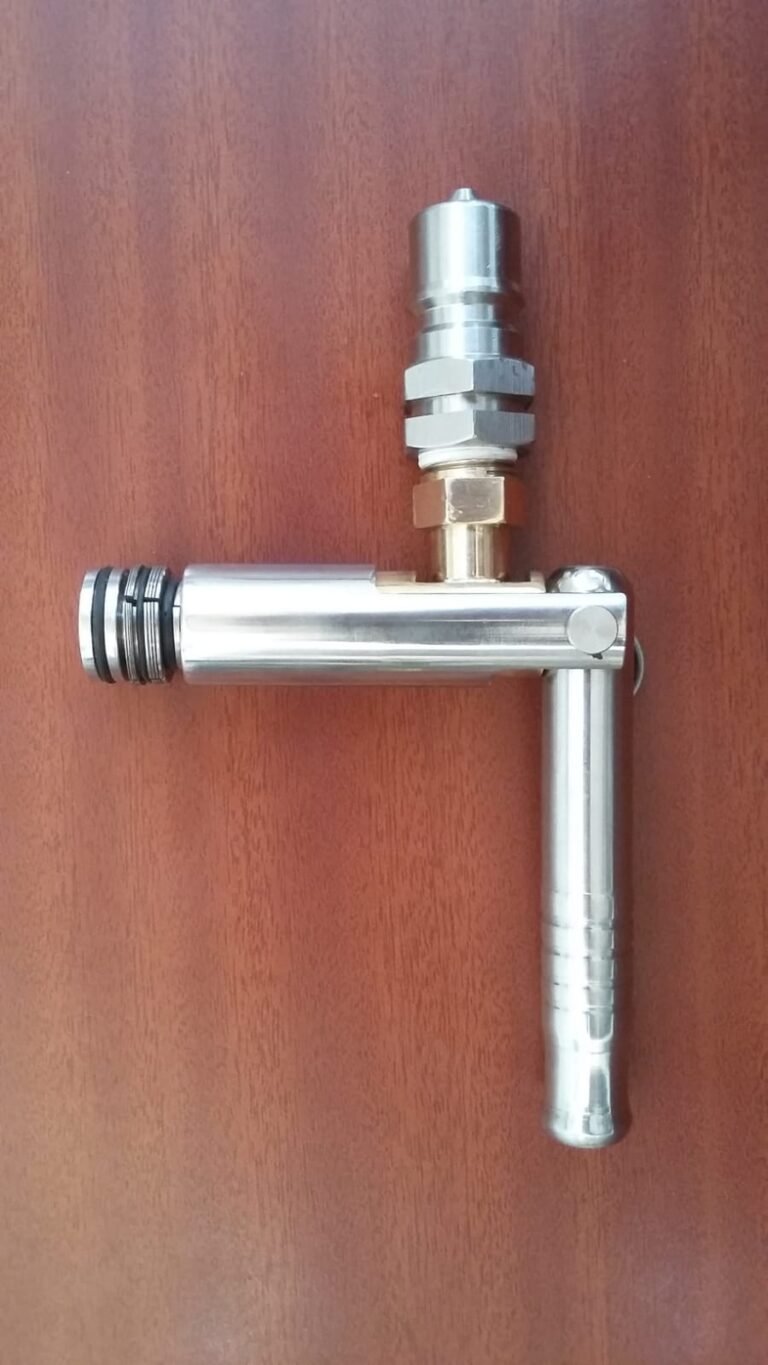
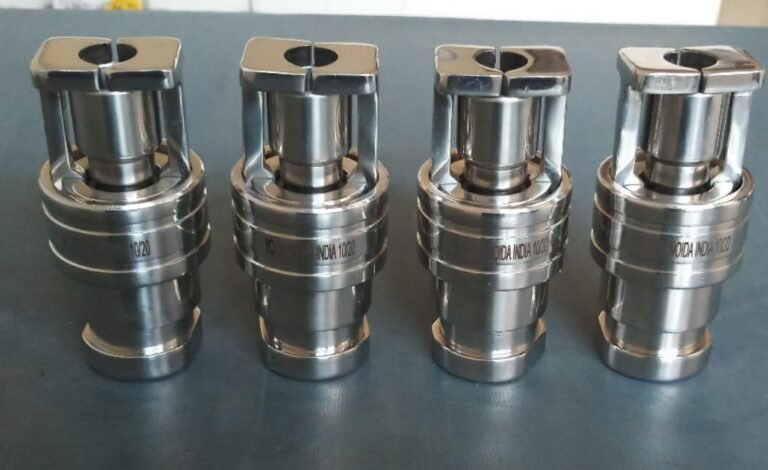
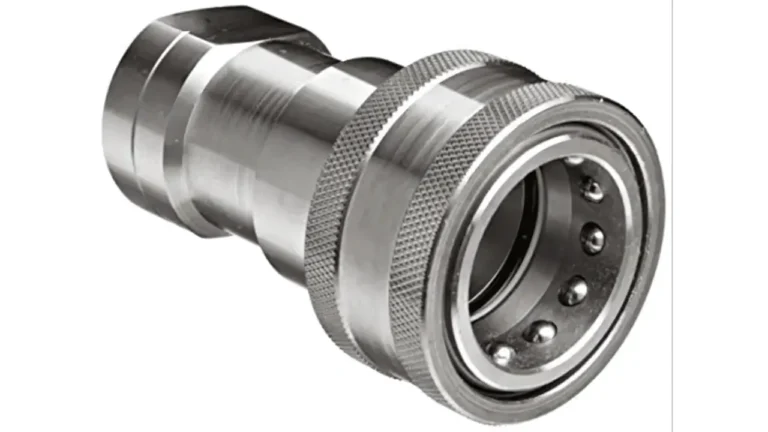
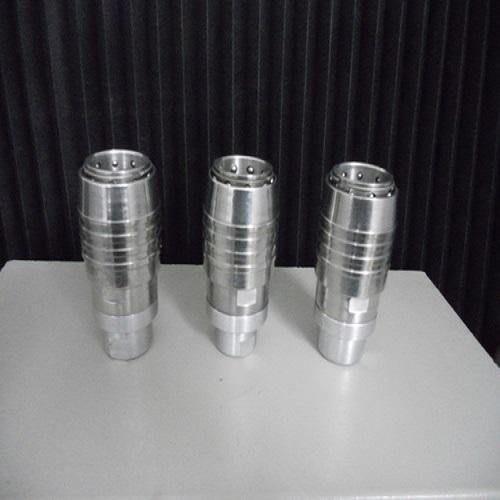
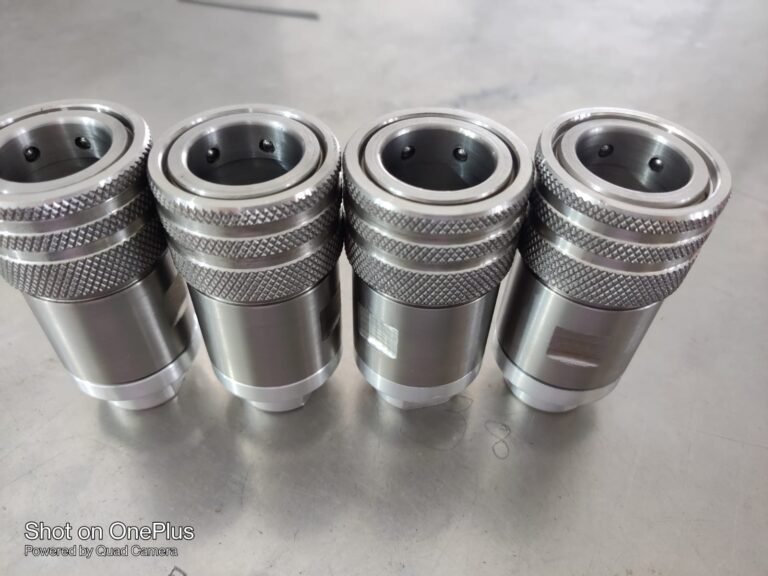
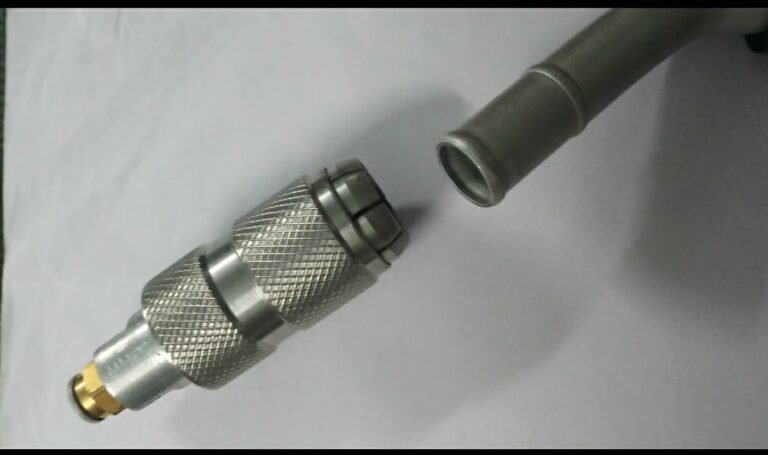
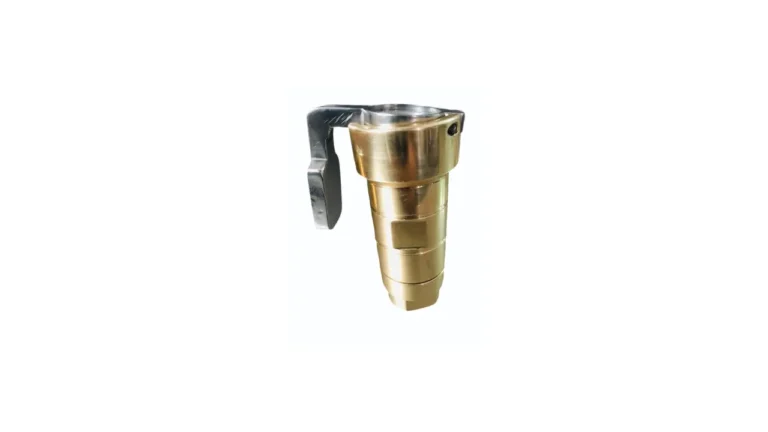
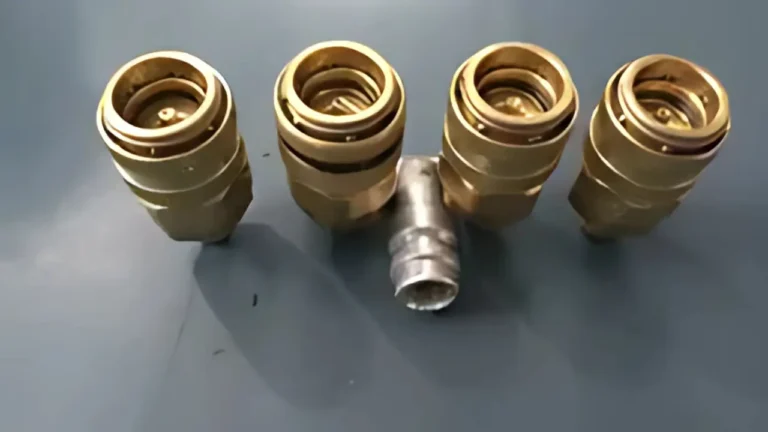
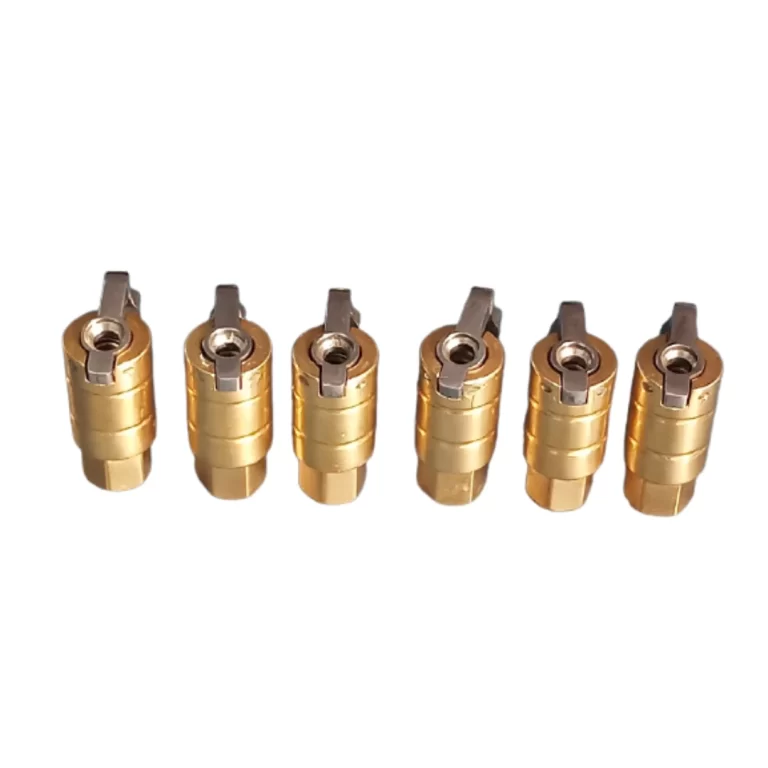
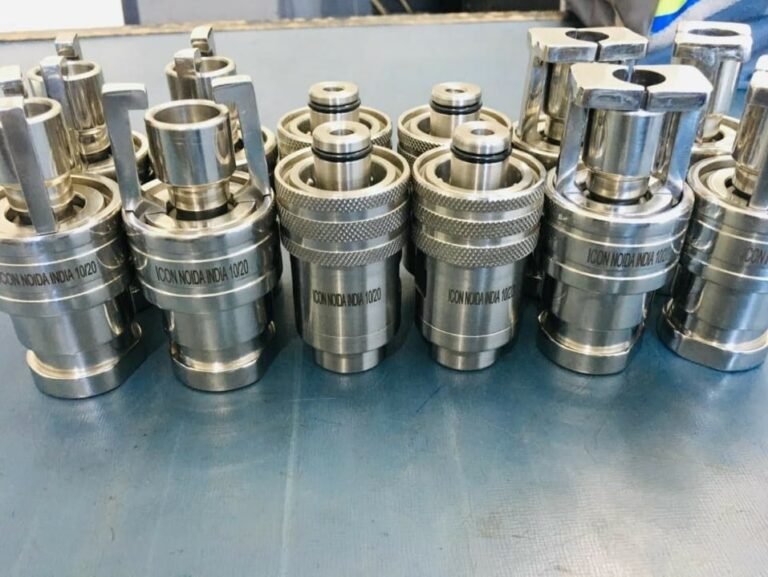
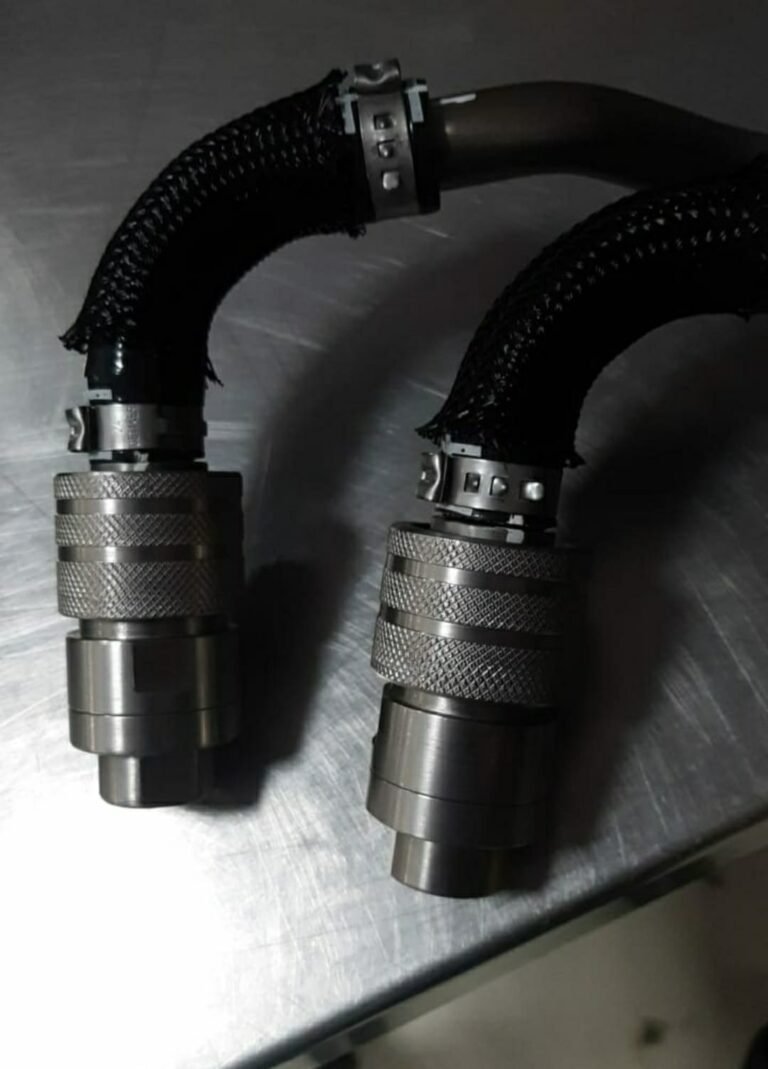
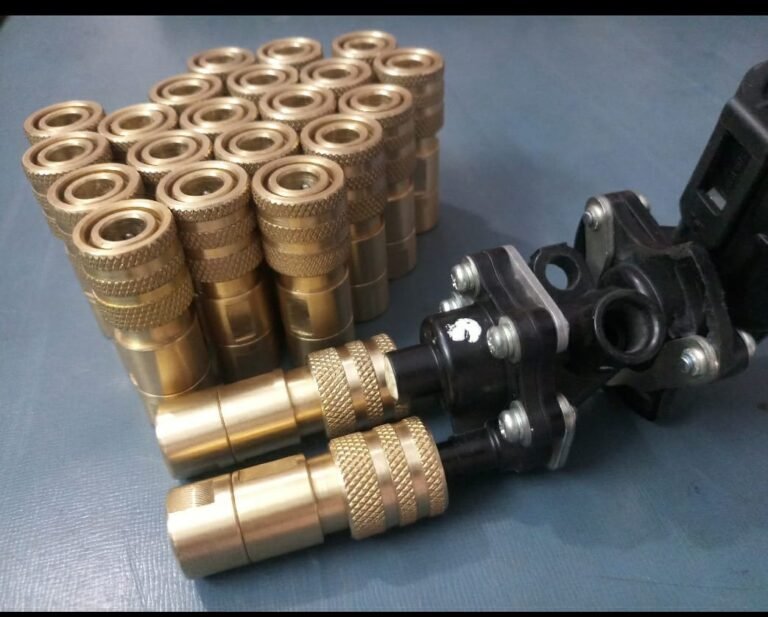
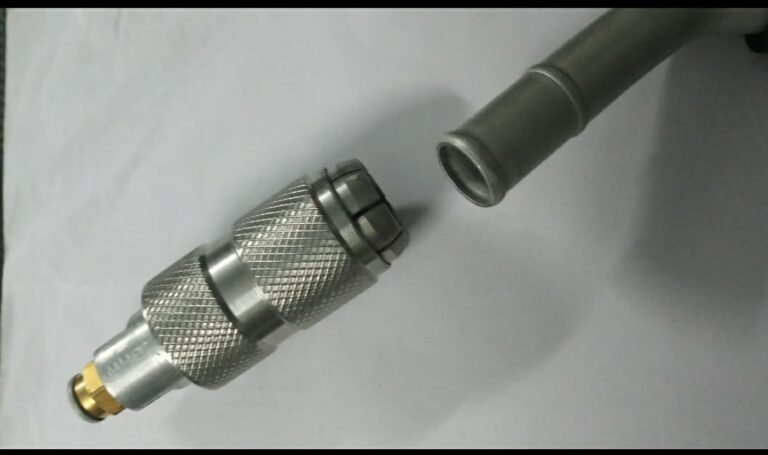
At Icon Engineers, we are a leading manufacturer & supplier of various types of couplers such as ball couplers, quick release couplers, brass ball couplers, leg coupler, i.d. coupler and more. We specialize in designing high-quality and reliable couplers for various industrial applications. In this blog, we’ll explore the 14 types of couplings, their features, and where they are used — helping you understand which coupling suits your machinery the best.
1. Rigid Coupling
A rigid coupling connects two shafts in perfect alignment. It is simple in design and doesn’t allow any flexibility between shafts. These are ideal for applications where precise alignment is required, such as in milling machines or conveyors. This type of coupling is known for its strength, but misalignment can lead to stress on shafts.
2. Flexible Coupling
Unlike rigid couplings, flexible couplings can accommodate slight misalignments between connected shafts. They also absorb vibrations, making them perfect for dynamic systems. Commonly used in pumps, compressors, and conveyors, this coupling type increases machinery life and reduces maintenance.
3. Sleeve or Muff Coupling
The sleeve coupling, also known as muff coupling, consists of a hollow cylinder fitted over the ends of two shafts. A key fits between the shafts and the sleeve to ensure torque transmission. This type of coupling is simple, cost-effective, and used in moderate torque applications like small motors and blowers.
4. Split Muff Coupling (Clamp Coupling)
This is an advanced version of the sleeve coupling. It consists of two halves that can be easily clamped and removed without shifting the shafts. This type of coupling is widely used where frequent maintenance or assembly is required, such as in conveyor systems and mechanical drives.
5. Flange Coupling
A flange coupling consists of two flanges, each mounted on a shaft end. They are bolted together to form a strong and reliable connection.
These types of couplings are widely used in heavy-duty applications where high torque transmission is essential, such as industrial motors and pumps.
6. Bush Pin Type Flexible Coupling
This coupling type uses rubber or leather bushes between the bolts of the flange coupling. The bushes provide flexibility and absorb vibrations.
These are often used in medium-duty mechanical setups and power transmission lines, balancing flexibility and rigidity.
7. Gear Coupling
A gear coupling connects two shafts with gear teeth at each end, providing high torque capacity and flexibility for misalignment. It is one of the strongest types of coupling, commonly used in steel plants, rolling mills, and heavy machinery industries.
8. Oldham Coupling
The Oldham coupling is designed to accommodate large misalignments between shafts. It consists of three parts: two hubs and a central disc that slides between them. This type of coupling is ideal for systems where shaft alignment changes during operation, such as in servo motors or robotic applications.
9. Universal Coupling (Hooke’s Joint)
A universal coupling allows angular misalignment between two rotating shafts. It’s often used in vehicles, where the drive shaft transmits power at variable angles. This coupling type is also used in textile machinery and power transmission systems requiring rotational flexibility.
10. Fluid Coupling
In a fluid coupling, power is transmitted through a fluid medium rather than a mechanical connection. It provides smooth acceleration and protects machinery from shock loads. This type of coupling is often used in automotive and industrial applications where gradual torque transfer is needed.
11. Chain Coupling
A chain coupling uses a roller chain and two sprockets to connect shafts. It allows a small amount of misalignment and is easy to install or replace.
This type of coupling is suitable for medium-speed and moderate-torque applications such as conveyors, blowers, and mixers.
12. Jaw Coupling
A jaw coupling consists of two metal hubs with interlocking jaws and an elastic element (spider) between them. This type of coupling offers excellent vibration damping and is used in pumps, fans, and small machinery. It’s one of the most common coupling types for general mechanical applications.
13. Disc Coupling
A disc coupling uses flexible metallic discs to transmit torque while accommodating angular, axial, and parallel misalignment. It provides a combination of flexibility, high-speed capability, and compact design — making it a preferred type of coupling in precision equipment and turbines.
14. Grid Coupling
A grid coupling uses a spring steel grid that connects two flanged hubs. It provides flexibility, shock absorption, and smooth power transmission.
These types of couplings are suitable for heavy industrial drives and applications where high torque and shock load protection are required.
How to Choose the Right Type of Coupling
Selecting the right type of coupling depends on several factors such as torque requirement, speed, shaft alignment, and environmental conditions.
Here are some key points to consider:
- Load and Torque Capacity: Choose a coupling that can handle the torque required by your machinery.
- Misalignment: For machines with slight misalignment, flexible or universal couplings work best.
- Operating Environment: For harsh or corrosive conditions, go for durable materials like stainless steel.
- Maintenance Needs: If frequent disassembly is needed, opt for split muff or clamp-type couplings.
At Icon Engineers, we manufacture and supply a complete range of couplers that match every industrial requirement — ensuring safety, efficiency, and reliability in your systems.
Why Choose Icon Engineers?
Icon Engineers is one of the leading industrial couplers manufacturers and suppliers in India. With years of experience and advanced engineering, we offer durable and precision-made couplings suitable for every industry — from manufacturing and automotive to process plants. Our couplings are designed for:
- Smooth torque transmission
- Reduced vibration and noise
- Long operational life
- Easy installation and maintenance
Whether you’re looking for rigid, flexible, or custom couplings, Icon Engineers provides high-performance solutions tailored to your needs.
Conclusion
Understanding the 14 types of couplings helps in selecting the most suitable one for your application. Each type of coupling serves a unique purpose — from handling misalignment to absorbing shocks and vibrations.
At Icon Engineers, we take pride in delivering top-quality couplers designed to ensure performance, durability, and safety in every mechanical system. If you’re searching for reliable coupling types or want expert guidance on selecting the right type of couplings for your setup — Contact us today and get the perfect solution for your industrial needs.